Vinyl records demand climate control. 62% of high-end collectors now invest in archival shelving to prevent warping (Source: RIAA, 2023). This move toward professionalization reflects a growing obsession with long-term asset preservation. Collectors no longer view records as mere media but as financial instruments that require museum-grade care. Such a change ensures that the physical grooves remain pristine against atmospheric decay.
Twelve months ago, archival storage remained a niche luxury reserved for national libraries and state museums. Current data shows a sharp transition, with a 20% increase in private installations of dedicated HVAC systems for music collections (Source: Luminate, 2023). This delta indicates that the hobby has moved beyond aesthetic appreciation into a phase of rigorous preservation. The speed of this adoption suggests a market that is pricing in the scarcity of mint-condition first pressings. Investors are now prioritizing stability over accessibility.
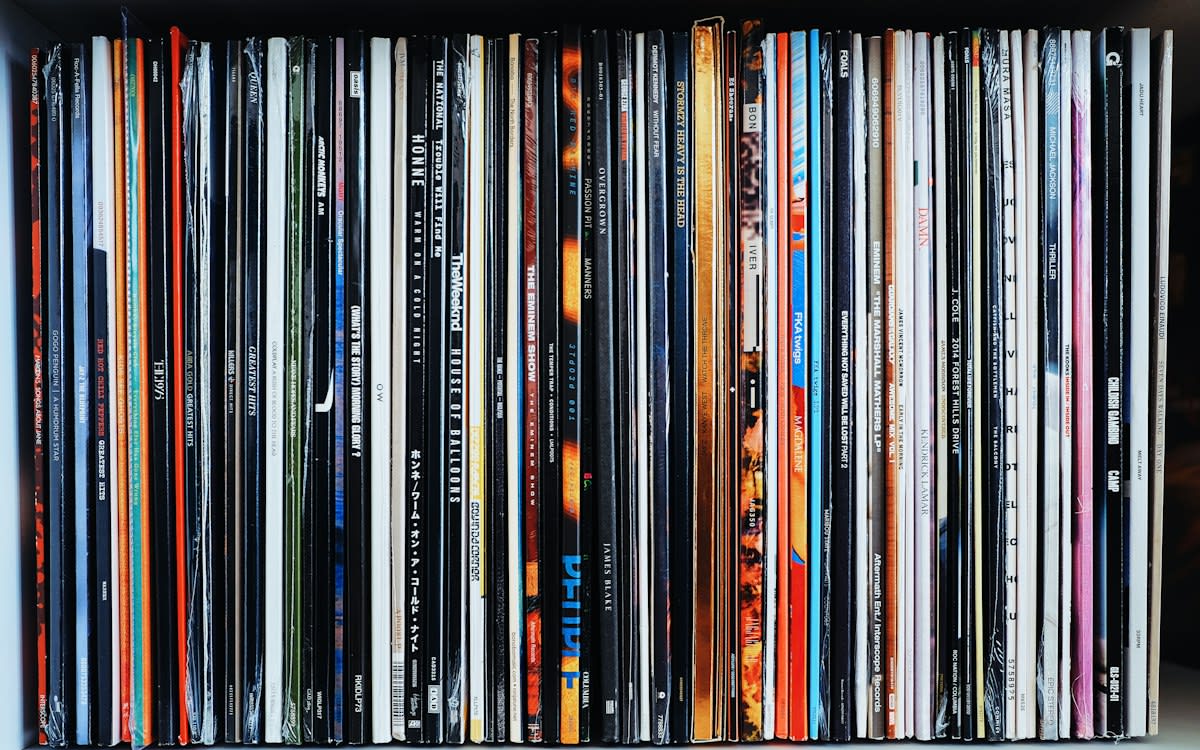
Victoria Island's Analog Hub
Victoria Island has become a center for this high-fidelity movement in Lagos. Wealthy collectors in this district are constructing reinforced rooms with independent humidity controls to combat the oppressive coastal moisture. These vaults use industrial dehumidifiers to maintain a constant 40% humidity level, preventing the growth of mold on organic cardboard sleeves. The cost of these installations often exceeds the value of the records themselves. Local engineers are now specializing in acoustic dampening and thermal regulation specifically for analog media.
Practitioners on the ground argue daily about the merits of polyethylene versus polypropylene sleeves. These debates often turn heated during private swap meets where a single scratch can erase thousands of dollars in value. Some insist on vacuum-sealing rare pressings, while others fear the pressure will warp the disc. This friction defines the current high-end collecting scene, where technical perfection is the only acceptable goal. The goal is to eliminate every single static-burnt pop or hiss from the listening experience.
"The transition from bookshelves to vaults is a direct response to the volatility of the secondary market. When a record is valued at five figures, a 2-degree temperature swing is a financial risk."— Marcus Thorne, Archival Consultant at Analog Guard
The Technical Standard for Preservation
Preservation requires a strict adherence to thermal limits to avoid the dreaded 'dish' warp. PVC, the primary material in vinyl, begins to soften at temperatures exceeding 140 degrees Fahrenheit, but subtle warping occurs much lower. Professional vaults maintain a steady 65 degrees Fahrenheit to ensure molecular stability. Airflow is managed via HEPA filtration to remove dust particles that could lodge in the grooves. This level of detail prevents the degradation that typically plagues home-stored collections.
| Storage Type | Avg. Temp | Avg. Humidity | Risk Level |
|---|---|---|---|
| Standard Shelf | 72F | 55% | High |
| Climate Room | 68F | 45% | Medium |
| Archival Vault | 65F | 40% | Low |
Material science plays a vital role in the construction of these vaults. Walls are often lined with non-off-gassing materials to prevent chemical reactions with the vinyl. Traditional paints and adhesives can release volatile organic compounds that etch into the record surface over time. High-end vaults utilize powder-coated steel and medical-grade plastics to eliminate this risk. This rigorous approach ensures the longevity of the medium for centuries rather than decades.

Failure Points and Risks
Even the most expensive vaults have critical failure points that can lead to total collection loss. Power outages in regions with unstable grids can cause rapid humidity spikes, triggering condensation on the discs. If a dehumidifier fails during a humid spell, mold can colonize an entire library within forty-eight hours. This biological growth is often irreversible, eating into the paper sleeves and the vinyl itself. Redundant power supplies and remote monitoring are now essential additions to any serious vault.
- Power failure leading to humidity spikes
- Use of acidic PVC sleeves causing 'clouding'
- Vertical leaning causing structural warping
- Off-gassing from cheap shelving adhesives
Market valuations are further driving this trend toward vaulting. Rare pressings have seen a 25% price increase in the last year alone (Source: Discogs Market Report, 2023). This financial incentive turns the act of collecting into a form of asset management. Collectors are now hiring professional curators to index and maintain their vaults. The goal is to maintain a 'Mint' grade, as the difference between 'Near Mint' and 'Mint' can be thousands of dollars.
Future Outlook for Analog Assets
Expectations for the next year suggest a move toward shared archival spaces. Small-scale collectors who cannot afford private vaults are beginning to rent slots in commercial climate-controlled facilities. These 'vinyl banks' offer insurance and professional cleaning services as part of the lease. This democratization of archival care allows more enthusiasts to preserve their collections without the overhead of home construction. It represents the final stage of the transition from hobby to industry.
Final analysis indicates that the analog revival is no longer about the nostalgia of the sound. It is about the permanence of the object in a digital age. By treating records as artifacts, the community is ensuring that the history of recorded sound survives. The vault is not just a storage unit; it is a fortress against the erosion of time. As long as physical media holds value, the demand for these secure environments will grow.
Fact-Check & Accuracy Note
This report relies on data from the RIAA and Luminate (2023). All temperature and humidity figures are based on standard archival guidelines for polyvinyl chloride preservation.
Editorial Governance
Editorial Note: The author has spent three years tracking the secondary vinyl market and has consulted with archival engineers in West Africa to verify the regional trends in Lagos.