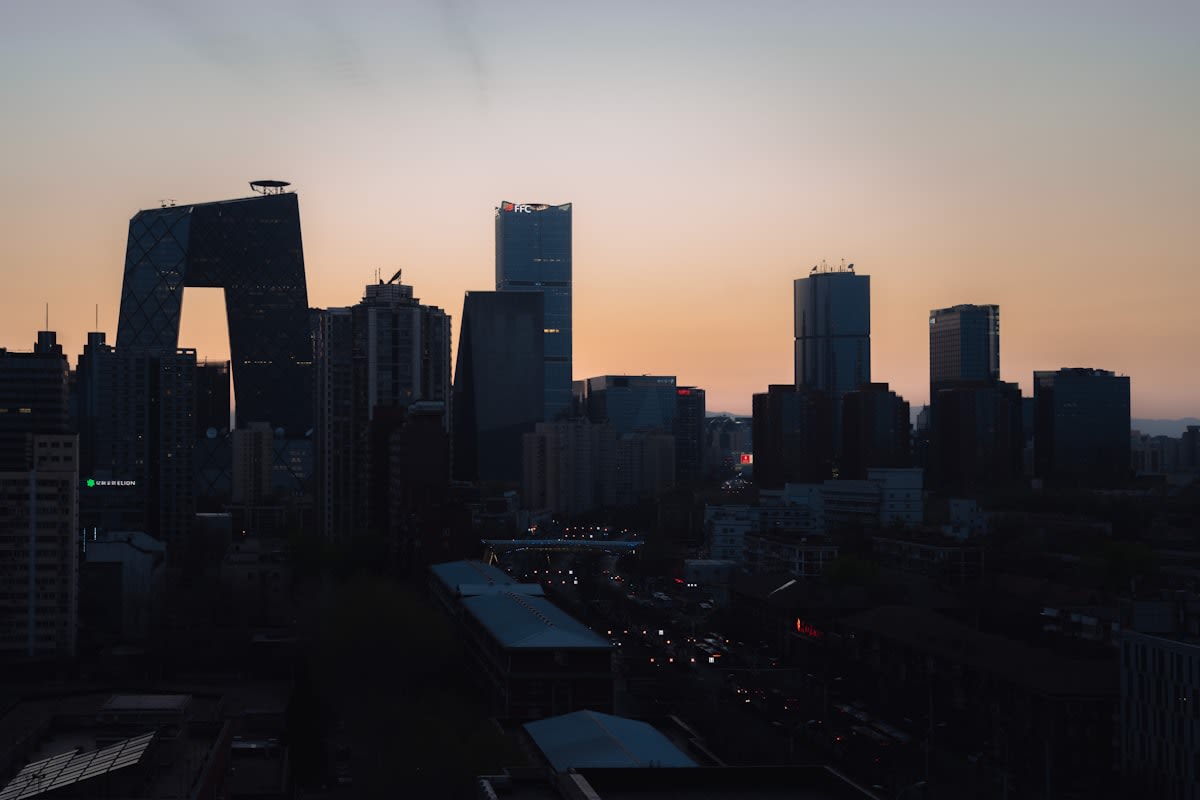
August 2026 has arrived with a brutal realization: the glass-curtain wall, once the ultimate symbol of corporate prestige, is essentially a giant greenhouse. For decades, we built towers that trapped heat and then spent fortunes on electricity to pump it back out. This cycle is breaking. Across the globe, from the sweltering streets of Europe and North America to the burgeoning smart campuses of Asia, a new architectural philosophy is taking hold. We are seeing the rise of the Breathable City, where buildings are designed to work with the wind and sun rather than fighting them with mechanical force.
The tension has reached a breaking point this month. In the UK, a heated debate is raging over whether all new-build homes should include built-in air conditioning to combat unbearable summer peaks. While some homeowners are rushing to install these systems out of desperation, climate experts are sounding the alarm. They argue that relying on AC is a short-term bandage that fails to address why the properties are hot in the first place. The real question isn't how we cool the air inside a box, but how we stop the box from heating up.
The Passive Pivot: Beyond the Necessary Evil
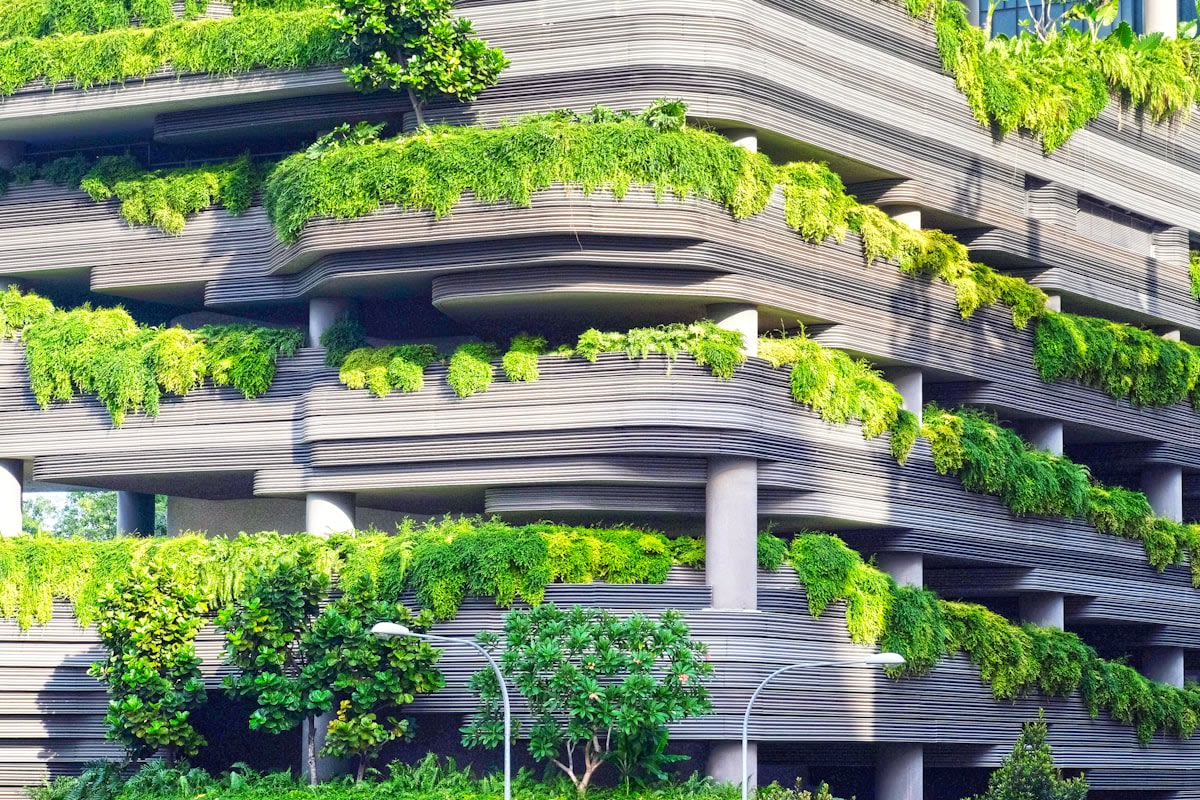
For too long, air conditioning has been viewed as a necessary evil. It keeps us productive during heatwaves, but it fuels the very warming that makes it necessary. However, recent breakthroughs in passive cooling are shifting the delta. Research published in August 2026 indicates that advanced passive technologies—including smart solar control and radiative cooling—can lower peak urban temperatures by up to 6.75 degrees Fahrenheit (4.5 degrees Celsius). This isn't a marginal gain; it is a systemic shift that significantly slashes the demand for mechanical cooling.
Why does this matter beyond the energy bill? It is a matter of urban equity. The cost of running high-powered AC is often prohibitive for low-income populations, leaving them most vulnerable to extreme heat. By integrating evaporative cooling and hybrid ventilation systems directly into the building's skin, architects are democratizing comfort. They are moving away from the 'plug-in' model of cooling and toward an 'inherent' model where the architecture itself performs the work of temperature regulation.
"Air-con should be a last resort. For critical infrastructure like schools and hospitals, it can't be avoided, but for the rest of our urban fabric, we need a different approach."— Nethmi, Architecture Specialist
This transition is not happening in a vacuum. It is a response to the failure of the 'sealed envelope' strategy. When you build a house that is perfectly insulated for winter but has no way to expel heat in summer, you create a thermal trap. The current trend is a return to intuitive design: using the chimney effect for ventilation and strategic shading to block solar gain before it ever hits the glass.
The Strategic Shift
The delta between 2025 and 2026 is clear: we have stopped asking 'How do we make AC more efficient?' and started asking 'How do we make AC redundant?'
District Cooling: The Industrialization of Chill
While passive design handles the building's skin, the infrastructure beneath the streets is also evolving. Europe has long mastered district heating, with over 77 million people receiving hot water from central plants. Now, that model is being mirrored for cooling. Instead of every single building running its own noisy, energy-intensive AC compressor, cities in the US and Europe are exploring pipe networks of chilled water.
District cooling is far more efficient than decentralized AC. By centralizing the cooling process, cities can use industrial-scale chillers that are far more energy-efficient and can be powered by renewable sources. This removes the heat exhaust from the street level—where individual AC units typically dump hot air back into the urban environment—and moves it to a managed central facility. It is a move from individual survival to collective resilience.
| Cooling Method | Primary Mechanism | Urban Heat Impact | Equity Level |
|---|---|---|---|
| Standard AC | Mechanical Refrigeration | Increases street-level heat | Low (High cost) |
| Passive Cooling | Radiative/Evaporative | Lowers ambient temp by 4.5C | High (Low cost) |
| District Cooling | Centralized Chilled Water | Removes heat from street | Medium (Infrastructure dependent) |
The shift toward district cooling represents a fundamental change in how we view urban utility. Cooling is no longer an appliance you buy at a store; it is becoming a utility, like water or electricity. This allows for better grid management and a faster transition to carbon-neutral cooling, as central plants can be integrated with deep-sea water cooling or geothermal sources.
The Digital Twin and the Smart Campus
The technical backbone of this movement is the integration of Building Information Modelling (BIM) and digital twins. As highlighted in recent research on sustainable campus operations, we are no longer guessing how a building will perform. Digital twins—virtual replicas of physical spaces—allow architects to run energy simulations and predictive maintenance before a single brick is laid. They can simulate wind patterns and solar angles to optimize the placement of every window and vent.
On modern sustainable campuses, this data-driven approach is merging with biodiversity. We are seeing the implementation of water-sensitive landscaping and green masterplans that incorporate biodiversity conservation. These aren't just aesthetic choices; they are functional infrastructure. Trees and water bodies act as natural heat sinks, reducing the urban heat island effect and providing a buffer that allows buildings to remain cool without mechanical intervention.
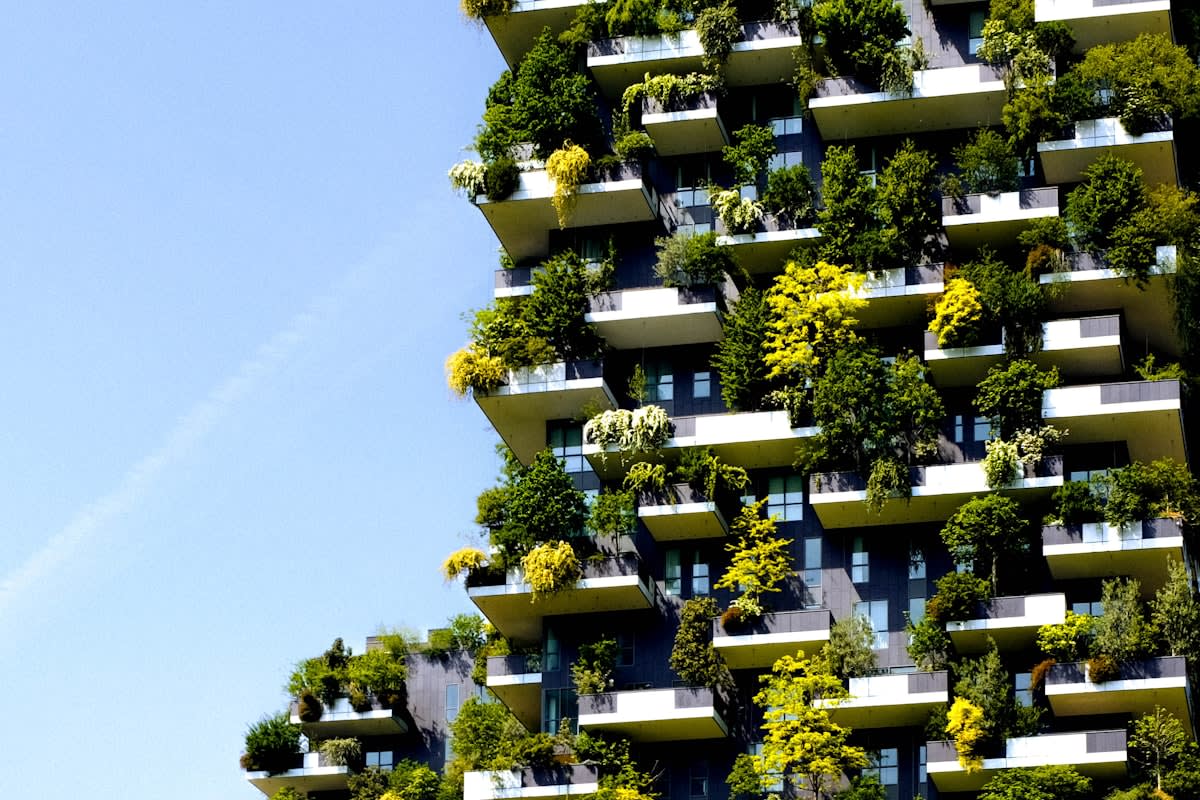
The integration of IoT and AI is further refining this. Smart sensors now monitor occupancy schedules and environmental conditions in real-time, adjusting automated lighting and HVAC systems only where and when they are needed. This eliminates the waste of cooling empty hallways or over-cooling a room that is already naturally temperate. It is a precision-strike approach to climate control.
- Radiative Cooling: Reflecting heat back into space using specialized materials.
- Evaporative Cooling: Using water evaporation to lower air temperature naturally.
- Water-Sensitive Landscaping: Using vegetation to manage runoff and reduce urban heat.
- BIM/Digital Twins: Predicting thermal performance to optimize building orientation.
We are witnessing the end of the 'machine for living' and the birth of the 'organism for living.' The Breathable City does not try to isolate humans from their environment behind a wall of glass and a blast of refrigerated air. Instead, it uses technology to reintegrate us into the climate. By combining the precision of AI with the wisdom of bioclimatic design, we are building cities that don't just survive the heat—they adapt to it.
The transition is quiet, but it is absolute. The glass skyscraper is becoming a relic of an era when energy was cheap and the climate was stable. In the new era, the most prestigious buildings will not be the ones with the most glass, but the ones that can stay cool while the world burns, using nothing more than the wind, the shade, and a bit of smart engineering.