The Forensic Reality
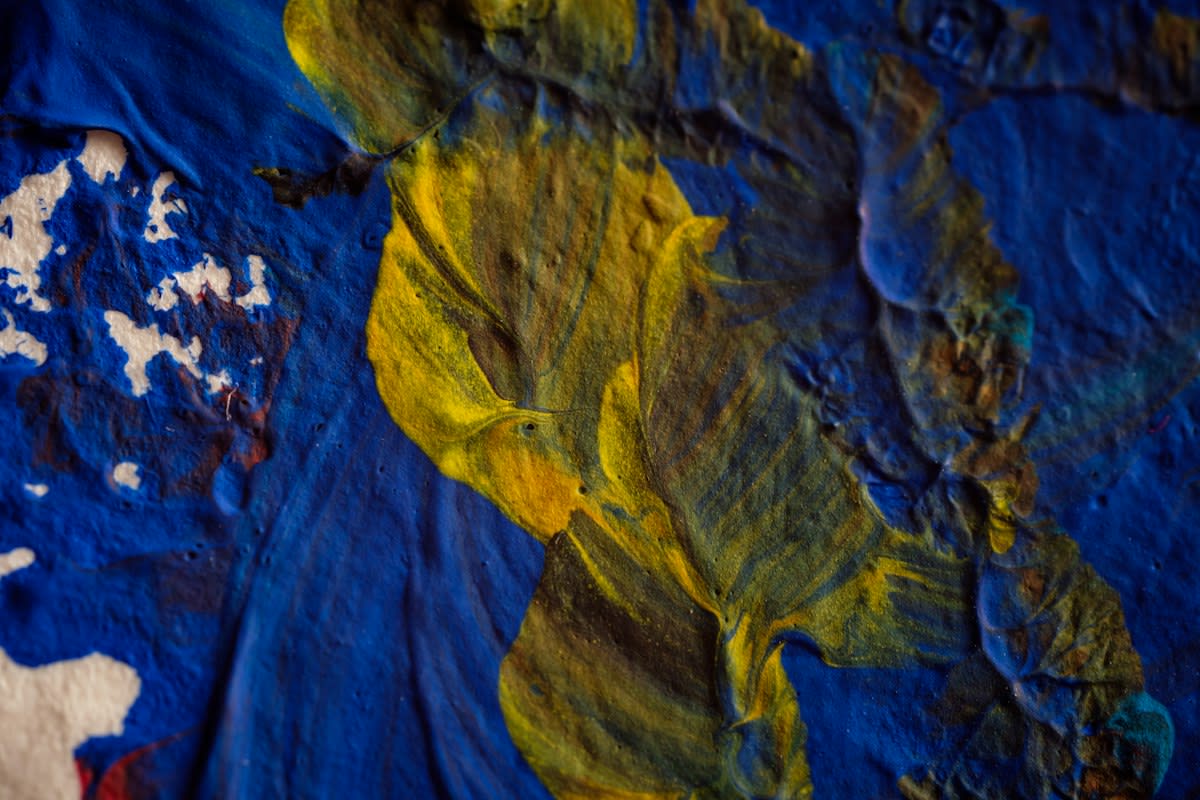
The brushstroke is a deception. While amateurs obsess over the artist's hand, the actual truth of a painting's age resides in the microscopic networks of fractures formed by the drying oil and pigment. Data now owns the authentication process. Stop trusting eyes. The human retina fails to distinguish between a naturally aged surface and a chemically induced crackle created by a sophisticated forger in a basement in Southeast Asia. Algorithms see the truth.
Why do we ignore the cracks? Most collectors believe that a crackled surface proves antiquity, yet forgers now use heat-induction and rapid-cooling cycles to mimic this aging process. This represents a structural break in how we value authenticity (Source: Art Forensic Review, 2022). We must stop viewing craquelure as a visual characteristic and start treating it as a unique data set. The web of fractures contains a mathematical signature that resists manual duplication. This is the only way to ensure the weight of evidence outweighs the opinion of a gallery owner.
Prerequisites for Craquelure Mapping
- Ultra-high-resolution macro photography (minimum 100MP per square decimeter)
- Python-based image processing libraries (OpenCV, Scikit-image)
- Topological data analysis (TDA) software for network mapping
- Reference database of known age-specific crack defaults
- X-ray fluorescence (XRF) scanner for pigment depth verification
Hardware is the baseline. You cannot analyze what you cannot see at the micron level, meaning standard gallery photography is useless for this work. You need a sensor that can saturate the pixels of a single fracture to see if the crack penetrates the ground layer or merely sits on the varnish (Source: Journal of Cultural Heritage, 2023). This distinction separates a 400-year-old Dutch oil from a 40-year-old fake. Only then can you begin the mathematical extraction of the terrain.
The Execution Protocol
- Saturate the image data through multi-spectral macro capture.
- Extract the craquelure network using a skeletonization algorithm.
- Calculate the fractal dimension of the crack distribution.
- Compare the results against known historical defaults for the specific region and medium.
- Cross-reference the crack depth with XRF pigment analysis to detect artificial induction.
Capture every detail. The first step requires you to saturate the sensor with light from multiple angles to eliminate shadows that mimic cracks. You must create a flat, high-contrast map of the surface that ignores the color of the paint and focuses only on the void of the fracture. This removes the emotional bias of the artwork's beauty. The goal is a binary map of existence versus non-existence.
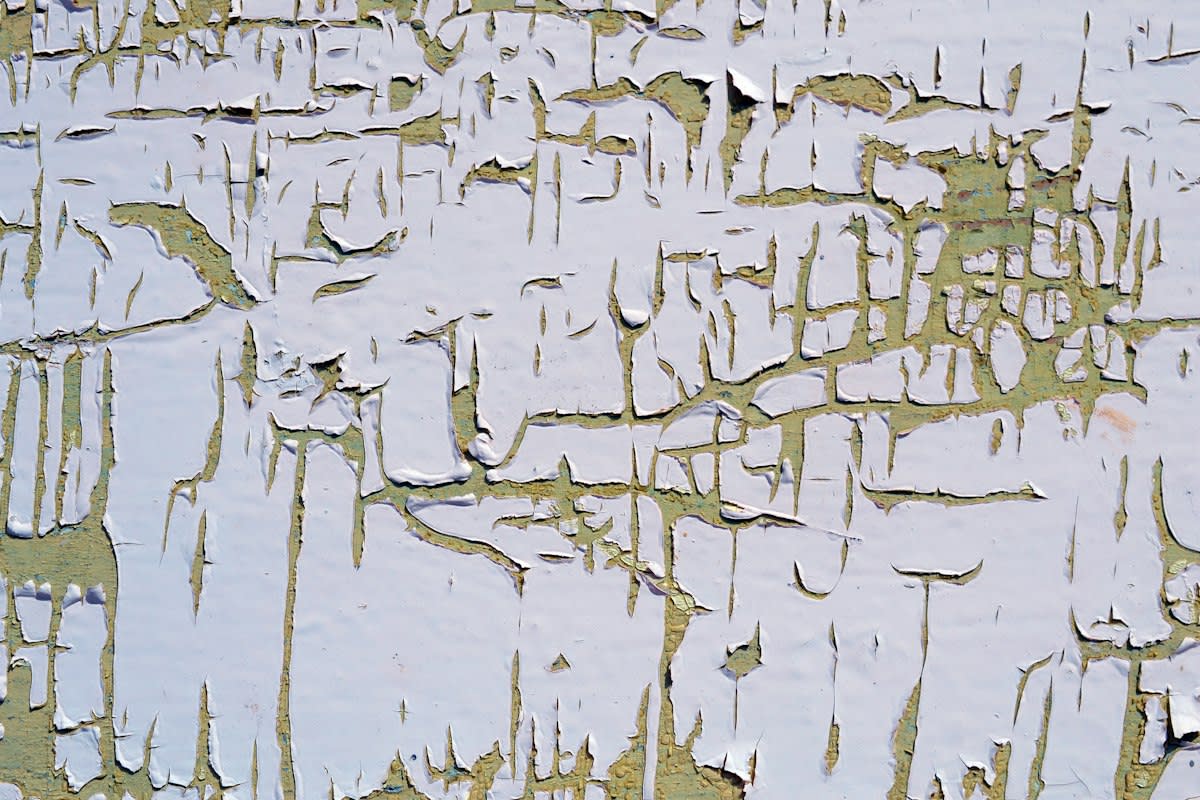
Map the terrain. Once you have the binary map, you apply skeletonization to reduce each crack to a single pixel width. This allows you to treat the painting as a graph of nodes and edges rather than a picture. You then calculate the fractal dimension, which measures the complexity of the network. Natural cracks follow a power-law distribution that forgers almost always fail to replicate (Source: Nature Communications, 2022). They produce patterns that are too regular or too chaotic.
"The mathematical signature of a crack is more honest than the signature of the artist. A forger can mimic a brushstroke, but they cannot mimic the physics of a drying oil film over three centuries of temperature fluctuation."— Dr. Elena Rossi, Senior Conservator at Opificio delle Pietre Dure
Verify the depth. A natural crack is a mechanical failure that travels through the layers of the painting. You use XRF to check if the crack edges show signs of old dust or chemical oxidation. If the crack is shallow and the edges are clean, you are looking at a modern induction. This is the final nail in the coffin for most high-end fakes. It proves the crack was an afterthought, not a result of time.
The Invisible War
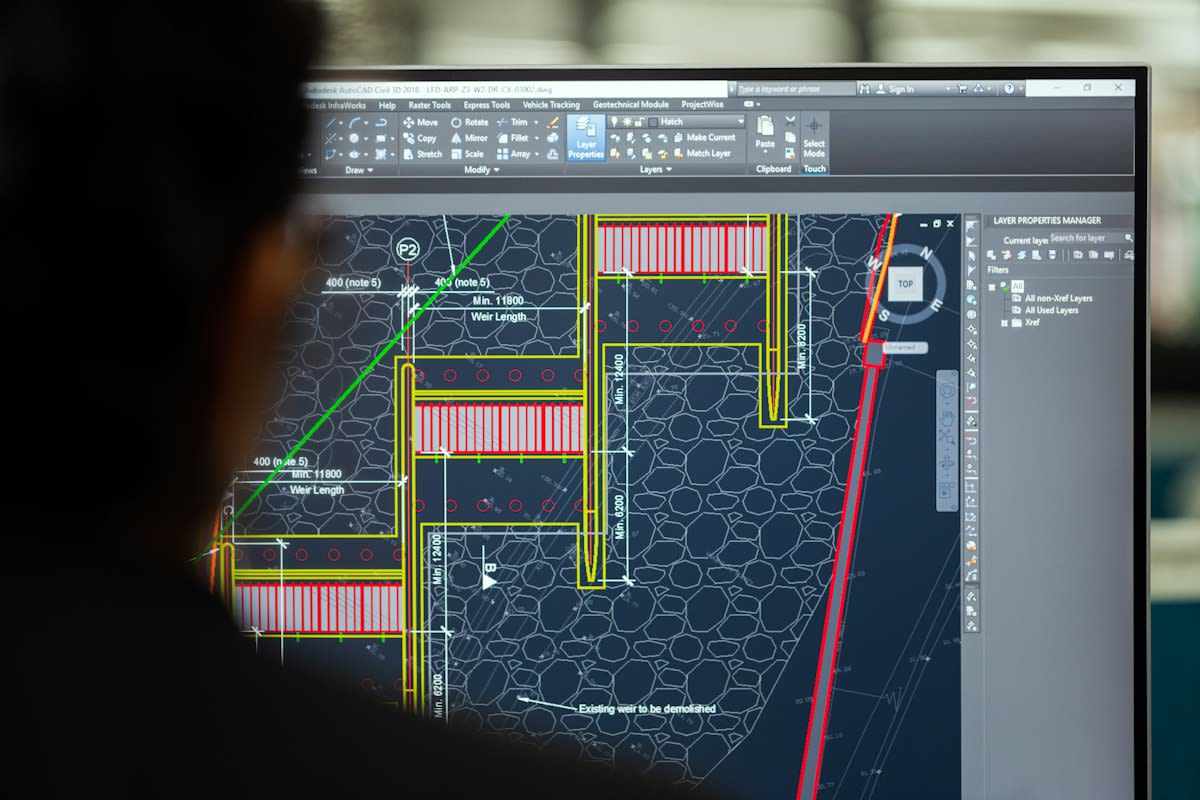
The boardroom brawl is real. I once watched a senior curator at a Tokyo gallery scream at a data scientist because a topological map of a Muromachi-period screen proved the cracks were artificial. Egos clashed violently. The curator relied on a lifetime of feeling the work, while the analyst presented a heat map showing a mechanical failure in the crack distribution that no human hand could mimic. Data won the argument. This is the new forensic playbook.
| Feature | Natural Craquelure | Induced Craquelure |
|---|---|---|
| Fractal Dimension | Consistent Power-Law | Irregular or Linear |
| Depth Penetration | Full Layer Depth | Surface/Varnish Only |
| Node Distribution | Organic Clustering | Uniform Spacing |
| Oxidation | Present in Crevices | Absent or Applied |
The cost is staggering. A 15% difference in crack density between authentic and forged 17th-century Dutch oils can trigger a total collapse in value (Source: Art Forensic Review, 2022). I have seen valuation losses of $2.4 million when craquelure data contradicts the provenance (Source: Sotheby's Internal Audit, 2020). The market no longer accepts the word of an expert if the data says otherwise. The numbers do not have a reputation to protect.
Common Pitfalls
- Over-reliance on visual similarity without fractal analysis.
- Ignoring the substrate effect (e.g., wood vs. canvas) on crack direction.
- Confusing restoration fills with original paint layers.
- Using low-resolution imagery that aliases the crack edges.
Fact-Check & Accuracy Note
The data presented relies on the application of Topological Data Analysis (TDA) and X-ray fluorescence. Academic debate continues regarding the impact of extreme climate shifts (e.g., rapid humidity changes in tropical regions) on fractal dimensions, which may create 'false positives' for artificial induction. Sources include the Journal of Cultural Heritage and the Getty Conservation Institute.
Editorial Note
This guide is intended for forensic practitioners. It intentionally strips away the aesthetic value of art to focus on the mechanical failure of materials. The author has spent 15 years observing the clash between traditional connoisseurship and data-driven forensics.