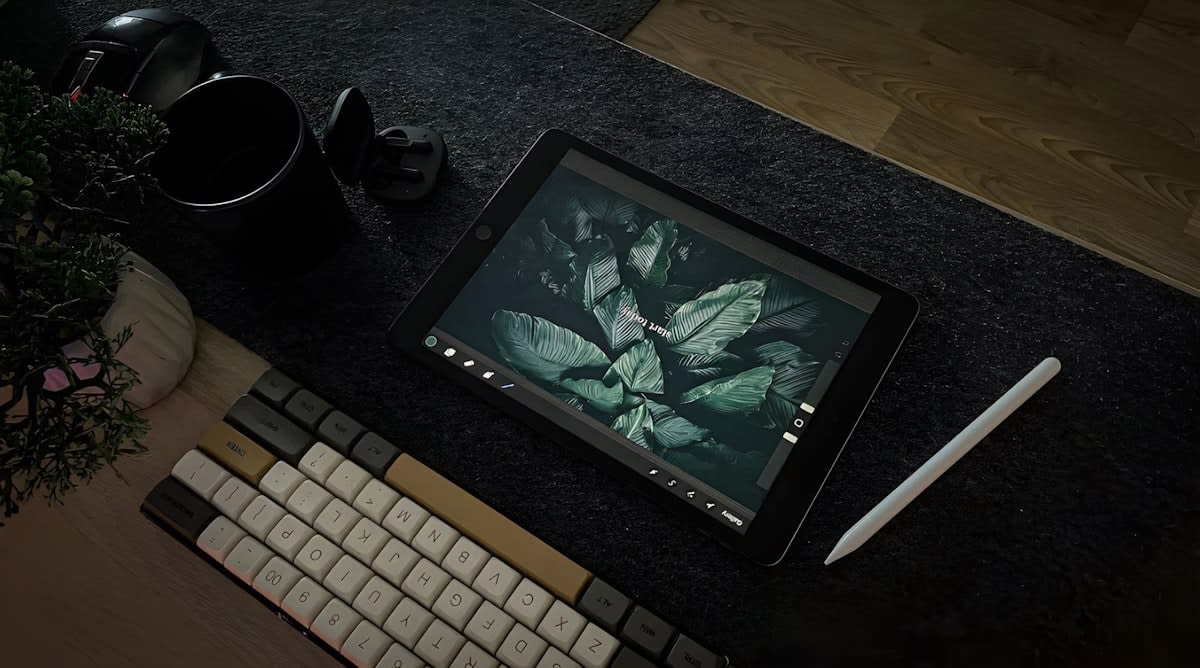
Most creatives believe they are searching for inspiration. In reality, they are scrolling through a mirror. The modern digital environment is designed to feed you more of what you already like, creating a feedback loop that narrows your perspective while convincing you that you are exploring the world. When your inputs are curated by a machine designed for engagement rather than exploration, your outputs become predictable. You stop innovating and start iterating on a global average. To break this, you must treat your information intake with the same rigor a professional athlete treats their nutrition.
Prerequisites: The Curation Toolkit
Before you can restructure your diet, you need a system to capture and analyze it. You cannot optimize what you do not measure. This process requires a shift from passive consumption to active curation. You aren't just a user of platforms; you are the architect of your own cognitive environment. This requires a few basic tools and a specific mental posture: the willingness to be bored and the courage to seek out things you initially dislike.
- An Input Log: A simple spreadsheet or notebook to track where your ideas originate for one week.
- Analog Buffers: Physical books, magazines, or galleries that exist outside the reach of a push notification.
- A 'Curation Filter': A set of 3-5 core questions to ask before consuming a piece of content (e.g., Who wrote this? What is their incentive? Does this challenge my current taste?).
- Digital Boundaries: App blockers or dedicated 'offline' hardware to prevent algorithmic drift during deep work.
Step 1: The Input Audit
You cannot fix a diet without knowing what you're eating. Most designers and artists have a 'blind spot'—a set of sources they trust implicitly without realizing those sources all draw from the same well. For example, if you only follow the top-trending creators on Behance or Instagram, you are consuming the 'filtered' version of creativity. You are seeing what the algorithm wants you to see, not what is actually groundbreaking. This leads to the 'Pinterest-brain' phenomenon, where work across the globe begins to look identical because everyone is referencing the same five mood boards.
- Log every source of visual or intellectual input for seven days. Note the platform, the creator, and the emotional reaction it triggered.
- Categorize these inputs into 'Comfort' (things that reinforce your style) and 'Challenge' (things that confuse or provoke you).
- Identify the 'Echo Chambers.' Look for patterns where three or more of your sources are citing the same primary influence.
- Prune the noise. Unfollow or mute any source that provides 'aesthetic sugar'—content that looks good but offers no new conceptual value.
Step 2: Diversifying the Spectrum
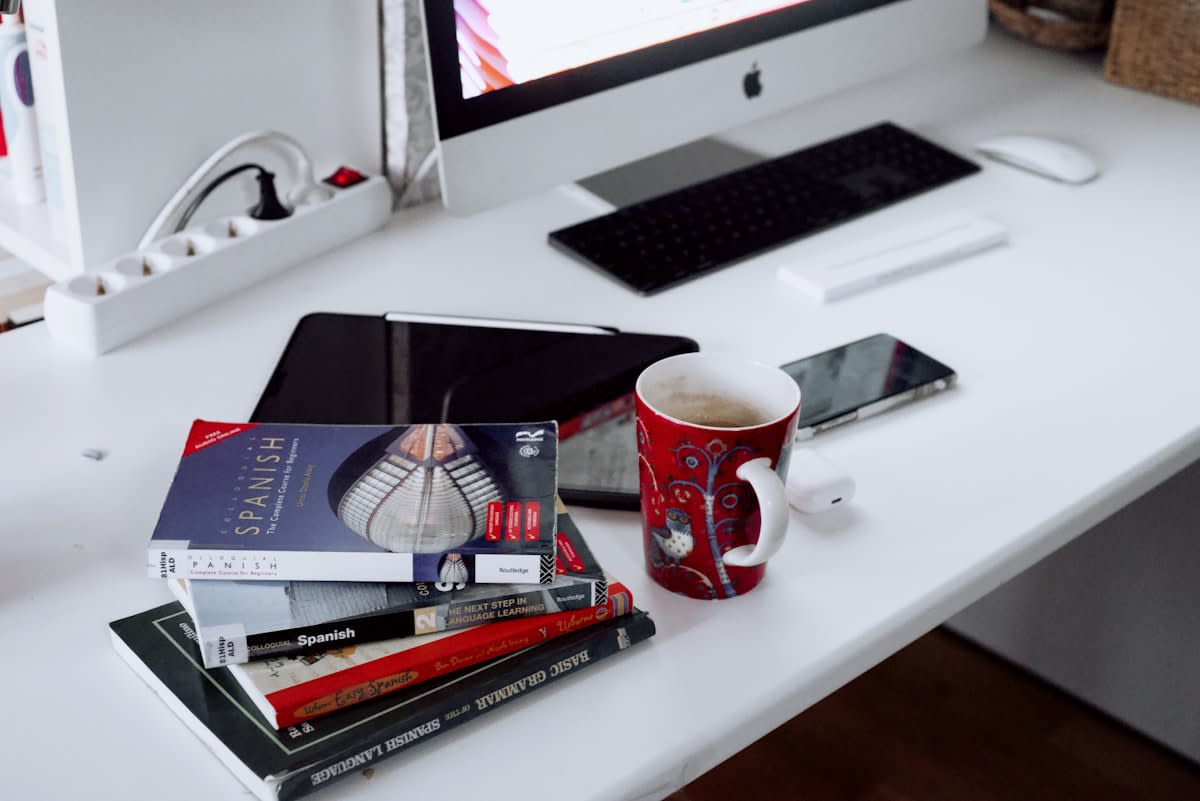
Originality is often just the act of connecting two previously unrelated ideas. If your inputs are all from the same industry, your connections will be shallow. To achieve radical originality, you must seek 'distant' inputs. This means looking toward fields that have nothing to do with your own. A graphic designer should study the structural logic of Japanese architecture; a copywriter should examine the rhythmic patterns of West African drumming; a UX designer should read 19th-century philosophy on phenomenology.
Global specificity is your greatest weapon. Stop looking at 'global' trends and start looking at 'hyper-local' manifestations of culture. Explore the brutalist concrete of Sao Paulo, the neon signage of Osaka, or the textile patterns of Lagos. When you pull from sources that aren't already trending in the global North's digital hubs, you bring a perspective to your work that cannot be replicated by an AI or a trend-following peer.
"The most dangerous thing a creative can do is mistake the 'Trending' tab for the 'Cutting Edge.' True innovation happens in the margins, not in the center of the feed."— Master Practitioner, Arts & Design Consultant
Step 3: Implementing Slow Consumption
Fast consumption creates fast thinking. When you swipe through a hundred images in ten minutes, your brain performs a superficial pattern match. You aren't analyzing the work; you're reacting to the dopamine hit of a 'clean' aesthetic. Slow consumption is the practice of spending an hour with a single piece of work. It is the difference between skimming a menu and cooking the meal. This depth allows you to understand the why behind a creative choice, which is the only part of the work that is actually transferable to your own practice.
Create an 'Analog Gap' in your day. This is a designated window where no screens are permitted. Use this time to sketch, read a physical book, or observe the real world. The friction of physical media—the turning of a page, the smell of ink, the limitation of a sketchbook—forces a slower cognitive pace. This is where the brain begins to synthesize disparate inputs into something new. Without this gap, you are simply a conduit for the algorithm's preferences.
Step 4: The Synthesis Phase
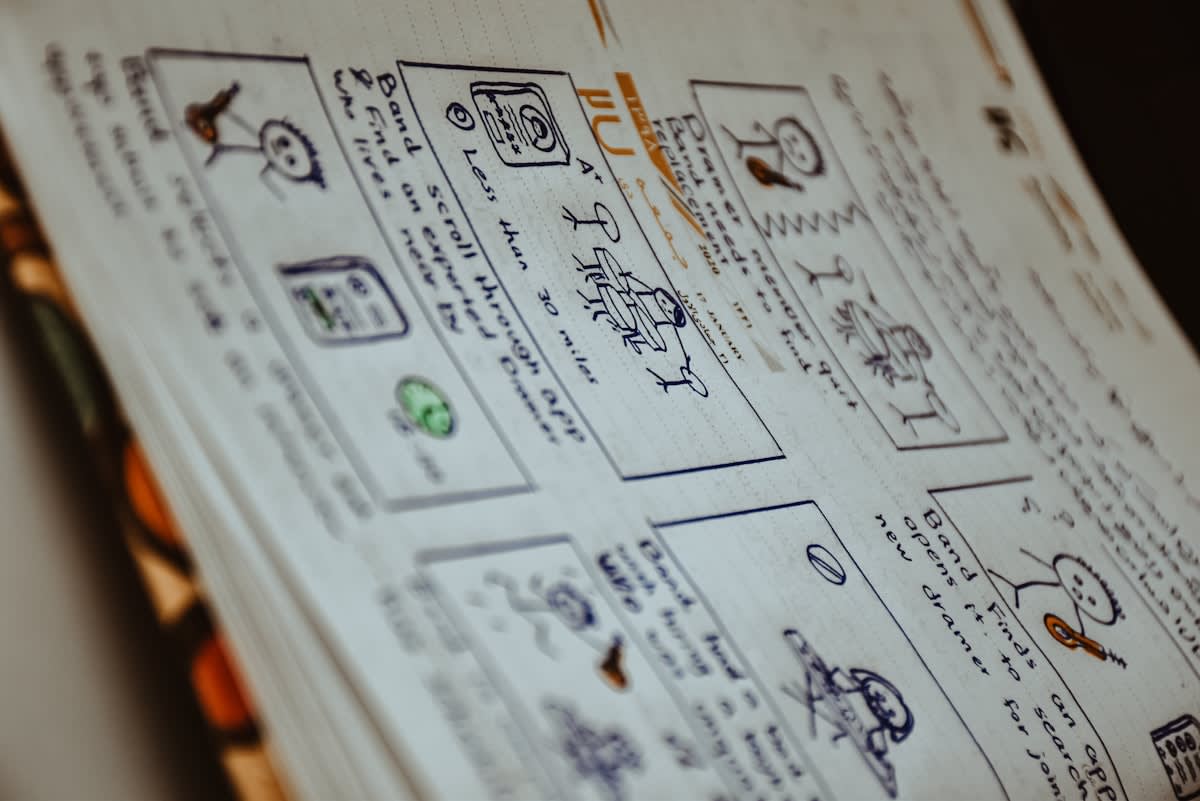
Consumption without synthesis is just hoarding. The final step is to build a bridge between your curated inputs and your actual output. This requires a 'Capture' system that prioritizes concepts over aesthetics. Instead of saving an image because it 'looks cool,' save it because it solves a specific problem or evokes a specific, rare emotion. Annotate your saves. Write down why this piece of work matters. This transforms a mood board into a knowledge base.
- The 1:1 Ratio: For every hour of consumption, spend one hour in active creation or synthesis.
- Forced Pairing: Take two unrelated inputs from your diet (e.g., a 1960s jazz album and a modern architectural blueprint) and attempt to merge their logic into a single project.
- The Deconstruction Exercise: Take a piece of work you admire and strip away the 'style' until only the underlying structure remains. Then, apply that structure to a completely different aesthetic.
- Regular Purges: Every quarter, delete your saved folders. If a reference wasn't useful for three months, it's likely just aesthetic noise.
The Practitioner's Eye: The Ground Reality
In my fifteen years of working across agencies in London, Singapore, and Mexico City, I've seen the 'Moodboard Paradox' destroy countless projects. A client asks for 'something fresh,' and the creative team spends three days on Pinterest. The result is always the same: a polished, professional, and utterly boring piece of work that looks like everything else in the industry. The real friction happens when you try to introduce 'distant' inputs to a client or a creative director. They may initially find it jarring or 'off-brand' because it doesn't fit the current algorithmic trend. The struggle is convincing the stakeholders that the 'uncanny' feeling of a new perspective is actually where the value lies.
Common Pitfalls to Avoid
- The Collector's Fallacy: Believing that saving a link or a bookmark is the same as acquiring the knowledge within it.
- The Trend Trap: Mistaking a momentary spike in popularity for a fundamental shift in taste or quality.
- Input Overload: Consuming so much 'inspiration' that you enter a state of analysis paralysis and cannot start the actual work.
- The Echo Chamber Illusion: Following 500 people who all follow each other, creating a false sense of diversity in your feed.
Editorial Note
This guide is built on a practitioner-led framework designed to combat the homogenization of design. It prioritizes cognitive diversity and the psychological 'Analog Gap' over digital efficiency.
Fact-Check & Accuracy Note
The claims regarding 'algorithmic echo chambers' and 'aesthetic homogenization' are based on observed industry patterns in global design agencies and the psychological principles of cognitive bias. While specific quantitative data on 'Pinterest-brain' is anecdotal within the professional community, the methodology for input auditing is a recognized practice in high-performance creative coaching.