
Eyes are currency. In the neon-soaked corridors of Tokyo, high-resolution cameras now map the precise movement of pupils to determine if an ad actually landed. The billing engines crave this data. Privacy is a wall. Lawyers in Brussels and São Paulo have spent years crafting regulations that treat a face as a biometric key rather than a simple data point. The legal risk outweighs the gain.
The Shift from Impressions to Attention
Reach is a lie. For decades, the industry relied on footfall sensors that counted any body passing a screen as a successful impression (Source: IAB, 2021). This metric is useless. True value exists only when the gaze locks onto the creative for a measurable duration. We call this attention.
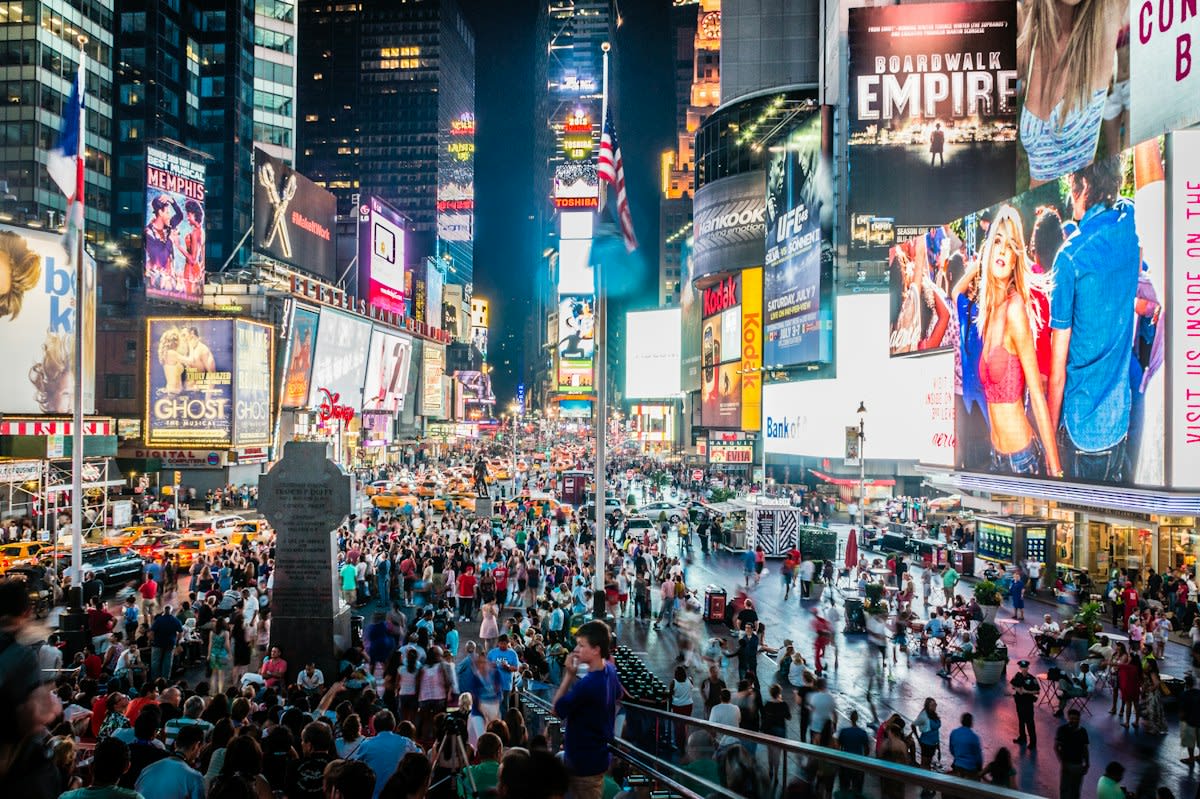
Attention costs more. When a sensor confirms a three-second gaze, the value of that slot jumps significantly compared to a passive pass-by (Source: Quividi, 2022). This creates a new tier. Advertisers now pay a premium for guaranteed ocular engagement rather than hopeful proximity.
"The industry is moving away from 'who was there' toward 'who actually looked'. If you cannot prove the gaze, you are selling a lottery ticket, not media space."— Marcus Thorne, Head of DOOH Strategy at Global AdMetrics
Hardware is the bottleneck. Processing thousands of faces in real-time requires immense edge-computing power to ensure that no personal data leaves the local device. The cost is high. Most operators prefer aggregated heatmaps over individual tracking to avoid the heaviest regulatory burdens.
Fact-Check & Accuracy Note
Attention metrics are often divided into 'Dwell Time' (how long they stood there) and 'Gaze Time' (how long they looked at the screen). Gaze time is the only metric that justifies a price increase in high-value urban terrains.
Prerequisites for Attention-Based Pricing
Gear is essential. You need high-definition cameras capable of processing image data at the edge to avoid sending biometric streams across the open web. Latency destroys the measurement. Software must be GDPR and LGPD compliant to avoid catastrophic fines in European and Brazilian markets.
- Edge-AI Camera Sensors: Hardware that anonymizes faces instantly.
- Attention Analytics Suite: Software to convert gaze duration into CPM multipliers.
- Privacy Impact Assessment: A legal audit of data handling protocols.
- Baseline Benchmarks: Local data on average gaze times for specific city zones.
Integration is messy. Connecting the camera's real-time output to a dynamic pricing engine requires a bridge between the physical sensor and the ad server. The timing must be perfect. A lag of two seconds makes the attention data irrelevant for real-time bidding.
How to Implement Eye-Tracking Pricing
- Define your Attention KPI: Decide if you are pricing based on 'First Glance' (1 sec) or 'Deep Engagement' (3+ sec).
- Install Anonymized Sensors: Deploy cameras that convert faces into numerical vectors immediately to ensure no images are stored.
- Establish the Attention Multiplier: Set a base CPM and apply a multiplier (e.g., 1.5x) for confirmed gaze events (Source: Gartner, 2023).
- Run a Shadow Test: Track attention without changing prices for 30 days to establish a local baseline.
- Deploy Dynamic Billing: Integrate the sensor data into your invoicing software to charge based on delivered attention.
Data informs design. When you see that users only look at the bottom-left of your screen, you move the call-to-action there. The creative adapts. This loop increases the value of the inventory over time.
| Metric | Traditional Pricing | Attention-Based Pricing | Value Driver |
|---|---|---|---|
| Pass-by Impression | Low CPM | Base CPM | Proximity |
| Short Gaze (1-2s) | Low CPM | Medium CPM | Awareness |
| Deep Gaze (3s+) | Low CPM | Premium CPM | Intent |
Internal wars rage. I have sat in boardrooms where the Traffic team screams that 'dwell time' is just people waiting for a bus, while the Attention team insists that a stare is a stare. The clash is real. This dispute usually ends when the revenue from the premium tier outweighs the cost of the sensors.
Common Pitfalls
Hardware fails often. Sensors installed in the humid streets of Lagos often succumb to dust and moisture, rendering the expensive software useless within months. Maintenance is ignored. The data then drifts, leading to overbilling and angry clients.
Over-optimizing kills art. When designers only place text where the heatmaps say people look, the creative becomes sterile and predictable. The audience bores. This leads to a drop in natural attention, defeating the purpose of the technology.
Legal slips happen. A single misconfigured server that stores raw images instead of vectors can trigger a GDPR audit. The fines are brutal. Always prioritize the anonymization layer over the granularity of the data.
Editorial Note
Ensure your contracts explicitly state that you are selling 'Attention Metrics' and not 'Personal Data'. This distinction is the only thing protecting you from biometric privacy lawsuits.
The future is fluid. As AI improves, we will see billboards that change their content in real-time based on the mood of the person looking. The price will shift. The gaze will remain the primary trigger for every transaction.