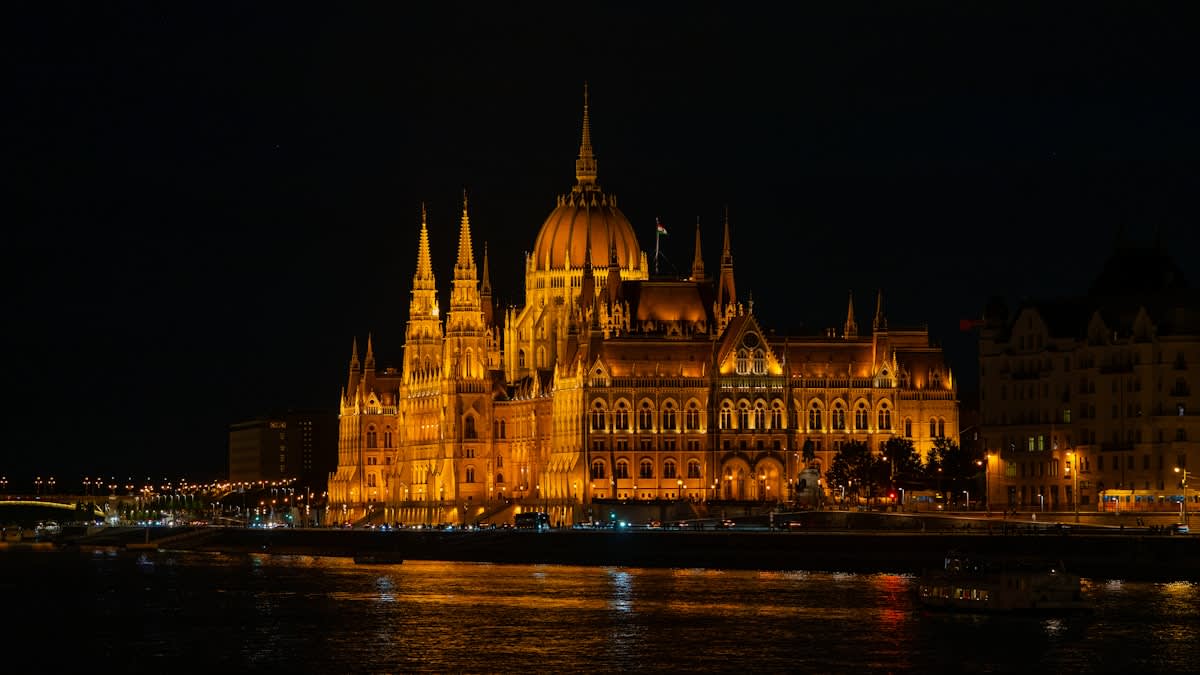
The data released on July 9, 2026, by the European Tourism Commission (ETC) reveals a volatile intersection of success and risk. While international tourist arrivals across Europe rose by 5% in the second quarter, the Central and Eastern Europe (CEE) region outperformed the average, seeing a 5.2% increase in visitor numbers. This is not merely a victory for local hospitality; it is a warning for preservationists. When thousands of additional feet tread upon ancient cobblestones and centuries-old frescoes, the physical degradation of heritage sites accelerates exponentially.
The stress on these sites is compounded by the duration of stay. Hotel overnight stays in the CEE region climbed by 6.9%, suggesting that tourists are no longer just passing through on their way to Western capitals. They are embedding themselves in the region, utilizing infrastructure that was often not designed for this volume of density. This surge in residency creates a direct correlation between tourism growth and the urgent need for digital twins—high-fidelity 3D archives that preserve the state of a site before it is eroded by the very people coming to admire it.
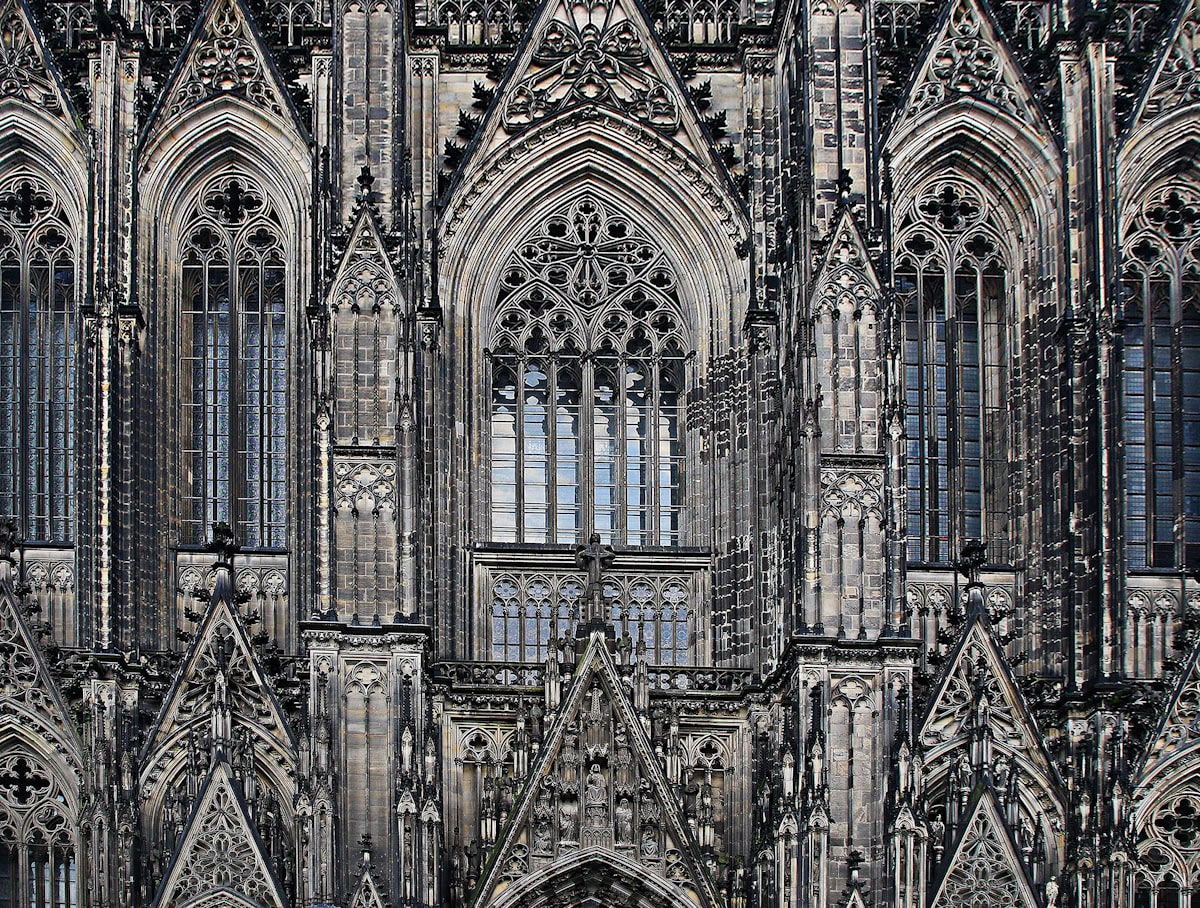
Why is this happening now? The ETC report highlights that safety, flexibility, and value for money are the primary drivers for this influx. However, the value for money model is a double-edged sword. Unlike Greece, where average expenditure per person surged by 64.3%, CEE destinations often attract a higher volume of budget-conscious travelers. This results in a paradoxical scenario: higher foot traffic with lower per-capita revenue to fund the maintenance of the sites being visited.
The Preservation Paradox
The 'Value for Money' trap creates a deficit where the cost of physical preservation exceeds the revenue generated by the tourist surge, making digital archiving the only cost-effective insurance policy.
The urgency is further validated by global precedents in heritage transformation. On July 16, 2026, the Kurdistan Center for Arts and Culture (KCAC) established the Araban Cultural District in Erbil. By transforming four heritage houses into a gallery, a House of Manuscripts, and learning centers, Erbil demonstrated a model of active civic use for historic architecture. Eastern European municipalities are watching this closely, recognizing that the only way to sustain heritage is to integrate it into a functional, digitized cultural economy.
The Araban model emphasizes the House of Manuscripts—a dedicated space for the preservation of fragile texts. In CEE, where archival libraries are often underfunded, the move toward digital manuscript houses is accelerating. Digitization prevents the physical decay caused by light exposure and humidity, while simultaneously allowing global access to regional history without requiring a physical visit that would further stress the site.
| Region | Visitor Growth (Q2 2026) | Hotel Night Growth | Primary Driver |
|---|---|---|---|
| Europe (Overall) | 5% | 4.8% | Safety & Flexibility |
| Central & Eastern Europe | 5.2% | 6.9% | Value for Money |
| Mediterranean | 7% | N/A | Spending Power |
Beyond tourism, the geopolitical landscape is shifting the funding mechanisms for these projects. On July 18, 2026, reports surfaced that the Trump administration is preparing to reorder U.S. foreign aid, focusing on Maga-aligned initiatives in Europe. This shift introduces a high degree of uncertainty for traditional cultural grants. If U.S. aid priorities pivot away from general heritage preservation, CEE nations must accelerate their digital efforts using current budgets before the window of external funding closes.
This funding instability creates a 'now or never' mentality. Digital preservation is significantly cheaper than the long-term physical restoration of a site that has been damaged by over-tourism. By securing the digital record now, regional governments can ensure that even if funding for physical upkeep vanishes, the intellectual and architectural data remains intact for future generations.

There is, however, a technical bottleneck. Recent benchmarks of AI models, such as the Kimi K3, have highlighted the limits of current AI leaderboards. The reality is that AI cannot simply 'hallucinate' a lost piece of architecture or a faded manuscript with 100% accuracy. This realization has triggered a return to human-led, high-precision digital archiving. The surge this month is not about AI-generated art, but about raw, empirical data capture.
The reliance on human curators is essential because the context of heritage is often lost in automated processes. The Kimi K3 findings suggest that while AI can process data, it struggles with the nuance of historical context. For Eastern Europe, where history is often contested and layered, the digital preservation surge is being led by historians and architects using technology as a tool, rather than a replacement.
The delta between this month and the previous year is stark. Twelve months ago, digital preservation was seen as a secondary luxury. Today, it is a primary defensive measure. The combination of a 6.9% increase in hotel nights and the threat of reordered foreign aid has transformed the timeline from a decade-long plan into a monthly sprint.
We are seeing a synchronization of events: the tourism spike (July 9), the infrastructure blueprint from Erbil (July 16), and the funding warning (July 18). Together, these triggers have created a perfect storm. The goal is no longer just to store data, but to create a digital economy where heritage can be monetized through virtual tours and digital assets, reducing the physical burden on the sites themselves.
Ultimately, the surge in digital heritage preservation across Eastern Europe is a rational response to an irrational increase in physical pressure. When the world decides to visit the East for its value, the East must ensure that the value doesn't disappear under the weight of the visitors. The digital archive is the only way to decouple the experience of history from the destruction of the artifact.