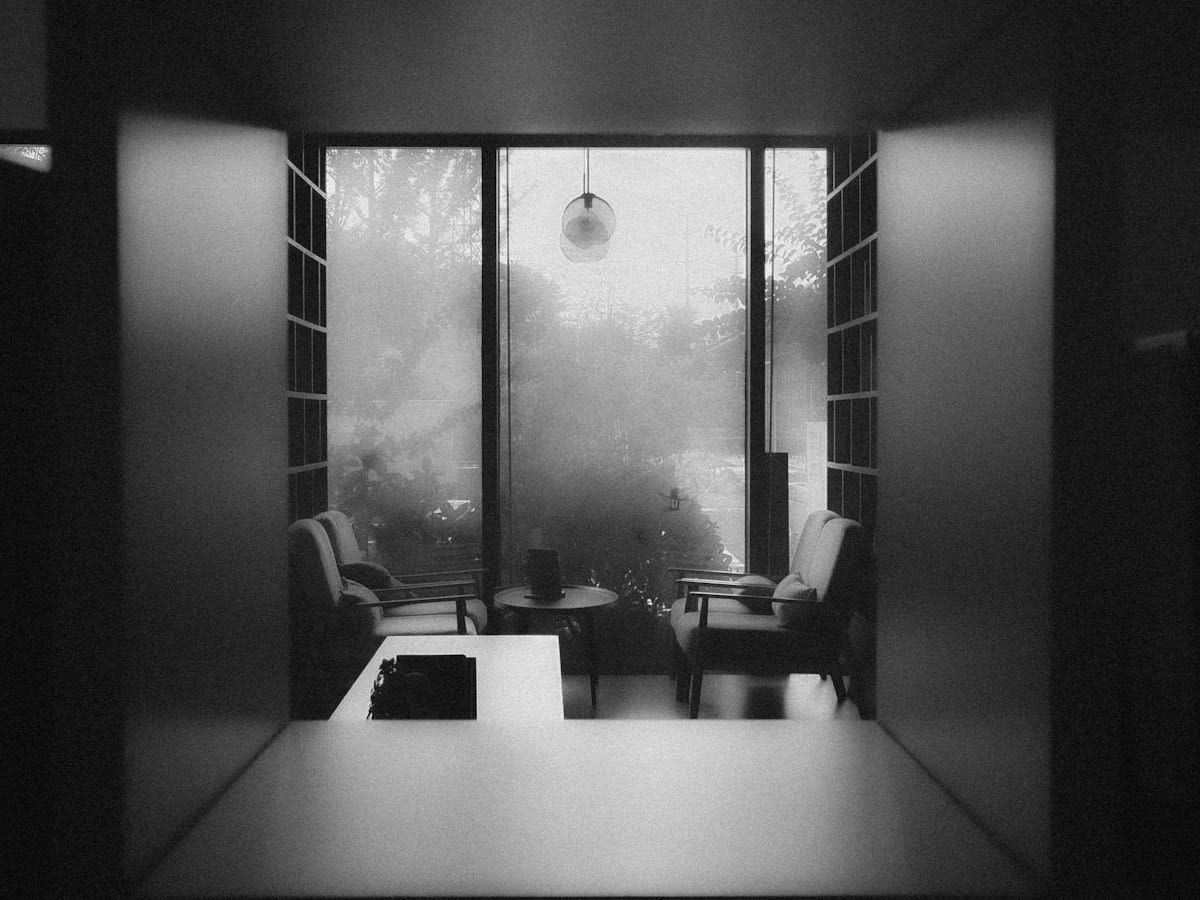
Why has silence suddenly become a luxury we are willing to pay a premium for? In an era of constant digital pinging and urban saturation, the ability to find true acoustic comfort is no longer just a preference—it is a critical requirement for mental health and professional performance. We are seeing a global shift where the most expensive real estate and the most sought-after office designs are not defined by what they add, but by what they remove. When we strip away the auditory clutter, we create a space where the nervous system can actually reset.
This shift represents a fundamental change in how we perceive luxury. It is no longer about gold leaf or marble; it is about the absence of stress. High noise levels are directly linked to raised stress responses, which in turn erode our ability to focus and recover (Source: HCM, 2026). By treating silence as a design material, we can build environments that actively support concentration and privacy without sacrificing the aesthetic integrity of a space (Source: NND, 2026). The goal is to move from noise mitigation to intentional acoustic curation.
Prerequisites for Acoustic Implementation
Before you start ripping out walls or buying expensive panels, you need a baseline. You cannot fix what you have not measured. Implementing a low-sensory environment requires a shift in mindset from purely visual design to a multisensory approach. You will need a combination of technical tools and a willingness to challenge the traditional 'open plan' philosophy that has dominated the last two decades.
- Decibel (dB) Meter: To map current noise peaks and ambient floor levels.
- Sensory Audit Map: A floor plan identifying high-stress triggers (HVAC hums, echoing corridors, high-traffic zones).
- Material Sample Kit: A range of acoustic absorption coefficients (NRC ratings) to test against specific frequencies.
- Lighting Analysis Tool: To identify harsh artificial lighting that contributes to cognitive fatigue (Source: HCM, 2026).
The Implementation Process: Steps to Total Silence
- Audit the Sensory Load: Begin by mapping the acoustic leaks. Identify where 'noise pollution' enters the space. Are these external sounds from the street, or internal sounds from a poorly designed ventilation system? Remember that high noise levels don't just annoy; they trigger physiological stress responses (Source: HCM, 2026).
- Establish Low-Sensory Zoning: Do not try to make the entire building silent; that creates an eerie, unnatural atmosphere. Instead, create dedicated 'calming spaces' specifically designed to lower the heart rate. This includes meditation rooms and saunas that act as sensory decompression chambers (Source: HCM, 2026).
- Integrate Acoustic Comfort Materials: Replace hard, reflective surfaces with materials that support absorption. Focus on interiors that promote privacy and concentration, ensuring that the acoustic treatment is woven into the design rather than tacked on as an afterthought (Source: NND, 2026).
- Synchronize Lighting and Sound: Silence is ineffective if the visual environment is chaotic. Eliminate harsh, artificial lighting that causes cognitive fatigue (Source: HCM, 2026). Use soft, indirect light in your low-sensory zones to reinforce the feeling of safety and calm.
- Test for 'The Hum': Conduct a final walkthrough to find the hidden frequencies. The low-frequency drone of a server room or a distant elevator can undermine the entire experience of silence. Use targeted damping to neutralize these specific frequencies.
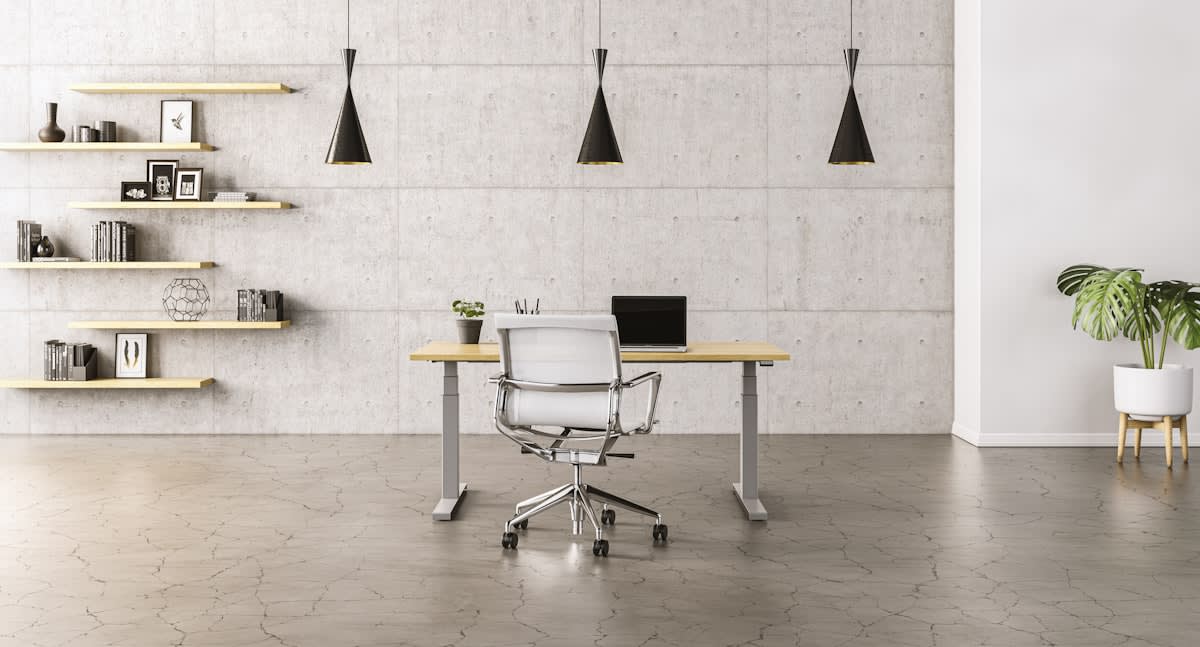
Once these steps are in place, the space begins to function as a tool for recovery. The objective is to create a sanctuary where the user's heart rate actually drops upon entry. This is the secret behind why high-end wellness centers and luxury corporate retreats are investing so heavily in these zones. They aren't selling a room; they are selling the biological state of calm.
"Secondary to the interior elements, the space zoning and facilities provided can promote calmness and de-stress the nervous system. Low-sensory calming spaces intentionally aimed at lowering the heart rate, such as meditation rooms and saunas, help mental wellbeing after physical activity."— Bex Hamilton, Biophilic Design Researcher
The Practitioner's Reality: Friction and Failures
Here is the ugly truth: achieving true silence is an expensive and often frustrating battle between the architect and the acoustic engineer. Architects love glass, concrete, and open vistas because they look stunning in a portfolio. However, these materials are acoustic nightmares. I have sat in countless meetings where the 'aesthetic vision' of a glass-walled boardroom completely clashed with the need for privacy and concentration (Source: NND, 2026). The result is often a compromise that satisfies neither party—a room that looks like a museum but sounds like a train station.
The real friction happens during the 'tuning' phase. You can install ten thousand dollars worth of acoustic foam, but if the HVAC system is vibrating through the steel studs of the wall, you will still have a low-frequency hum that makes people anxious. Professional practitioners spend weeks arguing over the 'NRC rating' of a fabric or the thickness of a floating floor. It is a meticulous, often invisible process where the goal is for the client to notice nothing at all.

Common Pitfalls in Acoustic Design
Many people mistake sound absorption for soundproofing. They buy acoustic foam panels and wonder why they can still hear their neighbor's phone call. Absorption stops echoes inside a room; soundproofing stops sound from entering or leaving. If you confuse the two, you are simply creating a room that is quiet on the inside but still leaks energy, failing to provide the true privacy that defines acoustic luxury (Source: NND, 2026).
- The Foam Fallacy: Relying on cheap acoustic foam to block external noise. It only reduces reverb, not transmission.
- Ignoring Visual Noise: Thinking that silence is only about sound. High visual clutter increases mental load and negates the benefits of acoustic comfort (Source: HCM, 2026).
- Over-Silencing: Creating an anechoic chamber effect. Total absence of sound can be disorienting and cause anxiety; the goal is comfort, not a void.
- Neglecting the HVAC: Installing expensive wall treatments while leaving a loud, vibrating air conditioner that keeps the nervous system in a state of high alert.
Editorial Note
Acoustic luxury is not an additive feature; it is a subtractive process. The most successful low-sensory spaces are those that remove the triggers of cognitive fatigue—be it harsh light, erratic noise, or visual chaos—to allow the brain to return to a baseline of focus (Source: HCM, 2026).
Fact-Check & Accuracy Note
Key claims regarding the link between high noise levels and stress responses, as well as the impact of artificial lighting on cognitive fatigue, are sourced from the Biophilic Design research by Bex Hamilton via Health Club Management (2026). Claims regarding acoustic comfort as a tool for privacy and well-being are attributed to Natalia Neverko (2026). The effectiveness of specific material combinations remains a subject of ongoing debate among acoustic engineers.