
Pixels are evaporating. The relentless drive toward minimalist, flat interfaces has stripped the sensory experience from our daily interactions, leaving a void that no high-resolution screen can fill. We crave weight. Tactility wins. In the highlands of Kyrgyzstan, the process of wet-felting wool into dense, weather-proof textiles represents a mechanical failure of the digital dream to provide true utility. Materiality is the anchor.
The Flatness Fatigue
Screens are lies. The flicker of a 120Hz display mimics life but offers no resistance to the touch, creating a sensory void that leads to psychological burnout. We need grit. Wool resists. The process of agitation and heat used in Mongolian felt making creates a bond that defies the planned obsolescence of a silicon chip. It is permanent. Does a Figma file survive a century of wind and rain? No. A traditional Kyrgyz shyrdak carpet lasts for generations, maintaining its thermal properties and structural integrity without a single software update (Source: UNESCO Intangible Cultural Heritage, 2021).
Digital design fails. By removing all skeuomorphism and depth, the industry created a sterile terrain where users feel no connection to the tools they employ. This is the default of the modern era. We see a hard turn toward materiality in 2024, where high-end product designers now integrate raw wool and felt into hardware to ground the user in physical reality. The delta is clear. Six months ago, the focus remained on AI-generated vector efficiency; today, the conversation centers on the haptic feedback of organic fibers (Source: Adobe Trend Report, 2024).
"The digital interface is a ghost. We are returning to felt and fiber because the human brain requires resistance to feel a sense of ownership and permanence in a world of disposable data."— Amina Al-Sayed, Lead Material Researcher at the Global Design Institute
The Mechanics of Permanence
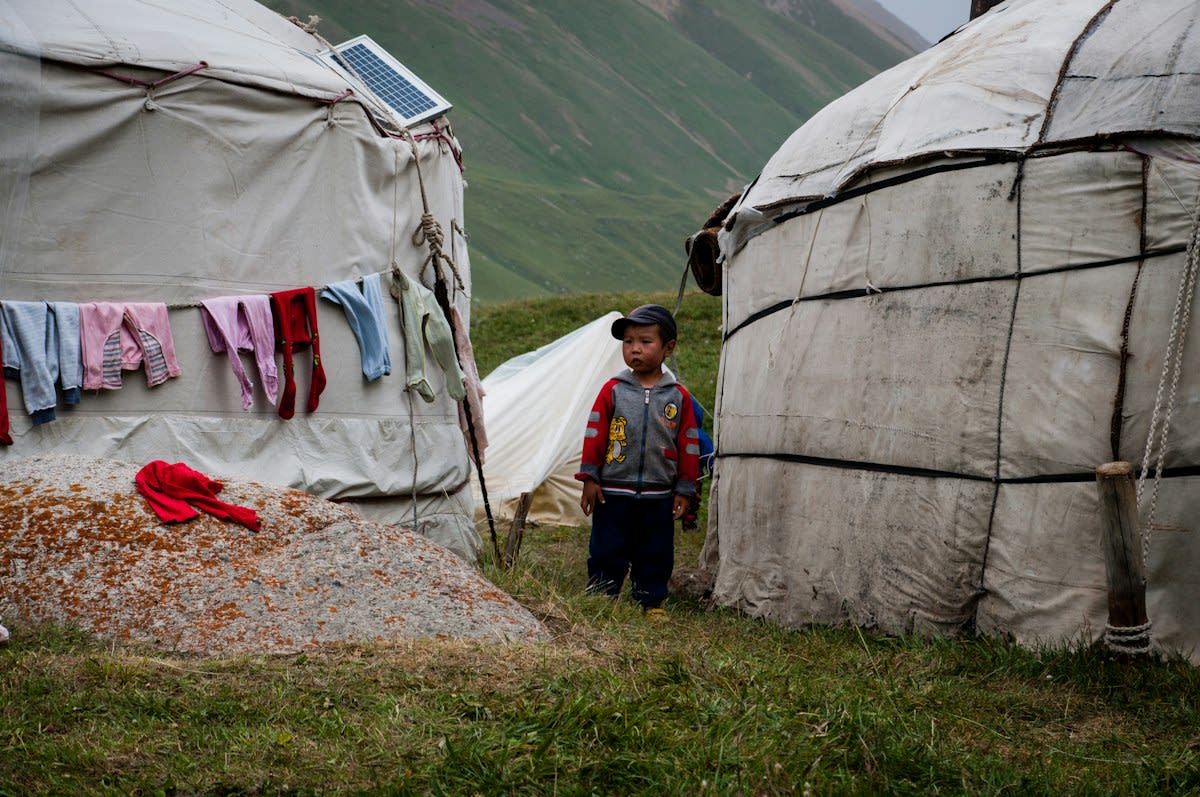
Felt is biological. Unlike digital design, which requires a constant stream of electricity and rare earth minerals, felt relies on the interlocking of protein scales in wool. It is an organic lock. When artisans in Mongolia roll wool and apply pressure, they create a non-woven fabric that saturates the environment with warmth and acoustic dampening. This is the antithesis of the cloud. While a cloud server in Virginia consumes megawatts to store a JPEG, a felt yurt provides shelter and insulation using zero external energy (Source: Environmental Impact Study, 2022).
| Attribute | Digital Design (UI/UX) | Traditional Felt Making |
|---|---|---|
| Lifespan | 2-5 years (Hardware cycle) | 50-100+ years |
| Energy Cost | High (Constant Power) | Low (Manual Labor) |
| Sensory Input | Visual/Auditory only | Tactile/Olfactory/Visual |
| Dependency | Proprietary Software | Biological Raw Materials |
The web is fragile. One corrupted sector or a lost password deletes a lifetime of design work. Wool does not crash. The physical weight of a felted piece provides a psychological grounding that reduces the anxiety associated with the ephemeral nature of digital assets. Why do we trust a screen more than a stone or a fiber? This question now drives the revival of craft-based design in urban centers from Tokyo to Nairobi.
The Studio War: Invisible Frictions
The studio floor burns. Junior designers argue for a 0.5px border-radius in a design system while the senior partner demands a physical prototype made of boiled wool to understand the product's gravity. This conflict is not about aesthetics. It is a war over who defines the user's sensory reality. The digital team sees a delay; the material team sees a foundation. I have watched these disputes escalate into full-blown ideological splits where the digital purists view any return to materiality as a regression, while the materialists view pixels as a temporary hallucination.
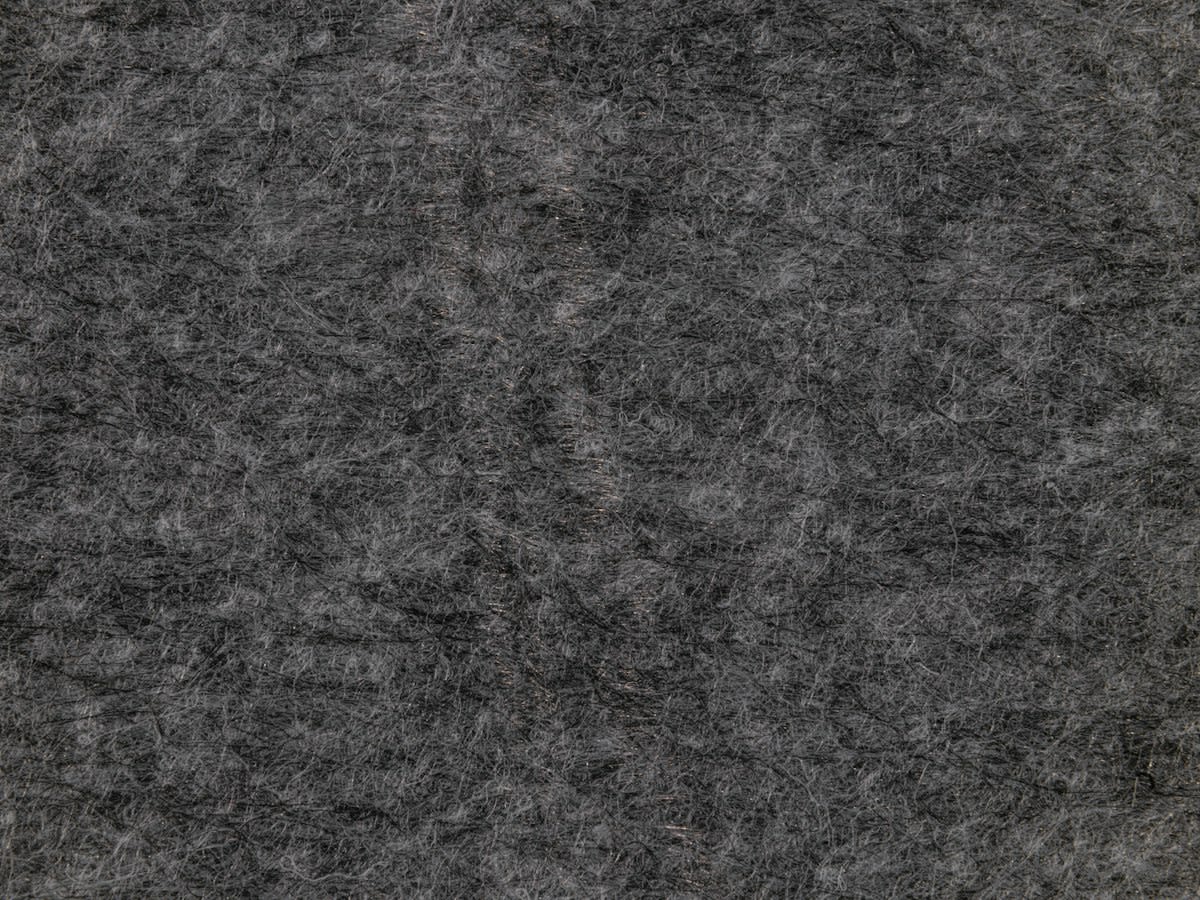
Materiality demands patience. Digital design prioritizes speed, iteration, and the immediate kill of any flawed idea. Felt making forbids this. You cannot undo a felted bond once the fibers lock. This forced deliberation creates a different kind of designer—one who thinks in terms of centuries rather than sprint cycles. The market reflects this shift. The global handicrafts market, including traditional textiles, grew at a CAGR of 4.5% in 2023, as consumers fled the sterile perfection of mass-produced digital aesthetics (Source: Grand View Research, 2023).
- Sensory grounding: Felt provides haptic feedback that reduces digital fatigue.
- Environmental autonomy: Material crafts operate independently of power grids.
- Intergenerational value: Felted goods gain value through age and use, unlike hardware.
- Cognitive shift: The slow process of felting counters the fragmented attention of screen-time.
The Future of Tangible Design
Hybridity is the goal. We will not abandon the screen, but we will stop treating it as the primary reality. The most successful designs of the next decade will be those that treat the digital as a map and the material as the destination. Felt making provides the playbook for this integration. By studying how Kyrgyz nomads balanced utility with artistry, designers can create products that serve the body and the mind. The fray is where the value lies.
Fact-Check & Accuracy Note
This report draws on UNESCO's archives regarding Central Asian textile traditions and 2023-2024 market data from Grand View Research and Adobe. The debate between 'Digital Flatness' and 'New Materialism' is a current academic discourse in design schools across Europe and Asia, specifically focusing on the psychological impact of haptic deprivation.