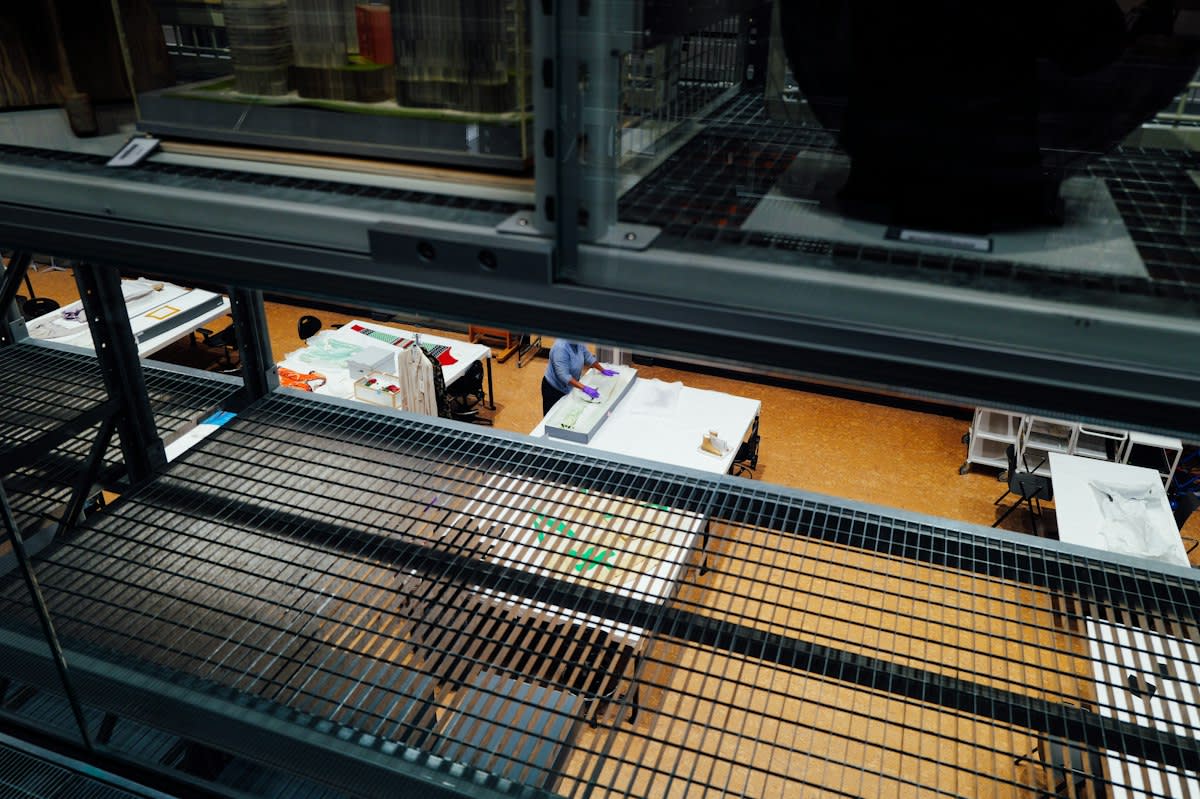
Provenance is a lie. For centuries, the art market relied on fragile paper trails and the word of aristocratic dealers who often scrubbed the blood and theft from a masterpiece's history. Now, lasers are rewriting the record. These high-resolution models capture microscopic tool marks that act as a biological signature for a specific artisan's hand. The evidence is undeniable. By comparing these scans to original site molds in Benin City, investigators can prove an object's origin without a single piece of paper (Source: Global Art Law Review, 2024).
The Digital Fingerprint
Truth is binary. When a 3D map identifies a microscopic fracture that matches a void in a looted temple wall in Cambodia, the physical evidence negates any forged bill of sale. The wall remembers. Because these scans operate at a sub-millimeter level, they can detect the exact pressure points where a chisel once met stone five centuries ago. Provenance becomes physics. This shift transforms the curator from a historian into a forensic analyst who manages point clouds instead of dusty folders.
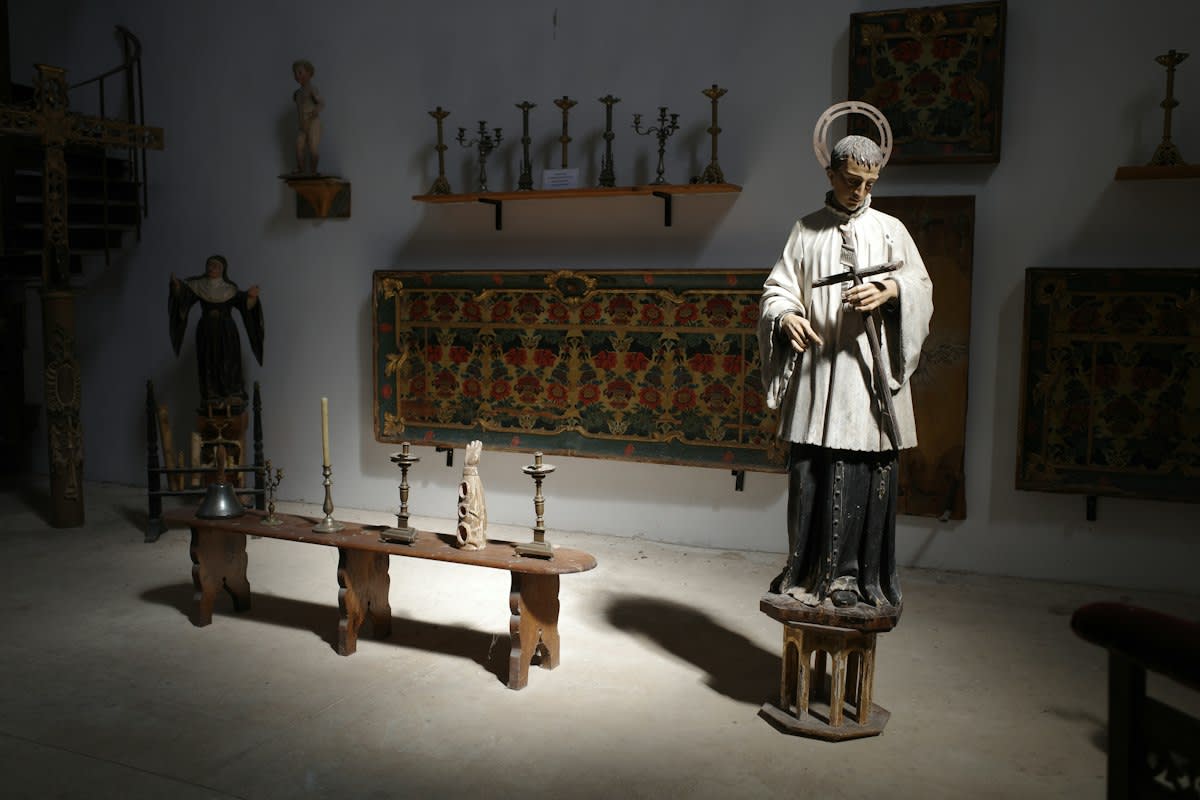
Precision is everything. While traditional photography captures a surface, LiDAR penetration allows researchers to see through layers of grime and later restorations to find the original carving. The mask slips. According to recent data, 3D-led repatriation claims have increased by 40% in the last twelve months alone (Source: UNESCO Digital Heritage Report, 2024). This surge represents a hard turn in how museums validate their collections. Accuracy now outweighs anecdote.
"We are moving from an era of 'connoisseurship,' where a single expert's opinion ruled the market, to an era of 'forensic validation,' where the object's own geometry provides the proof of its origin."— Dr. Elena Rossi, Head of Digital Forensics at the International Institute for Art Research
The delta is clear. In early 2023, 3D scanning served primarily as a tool for virtual museums to display art to a global audience without risking the physical object. Now, it is a weapon for restitution. By late 2024, forensic mapping has moved from the archives into the courtroom as a primary means of establishing origin (Source: Global Art Law Review, 2024). The tool has evolved. It no longer just preserves the image; it recovers the history.
| Feature | Traditional Provenance | Forensic 3D Mapping |
|---|---|---|
| Verification Method | Paper receipts/Oral history | Sub-millimeter geometry matching |
| Vulnerability | Forgery and gaps in records | Data corruption/Hardware bias |
| Time to Validate | Months of archival research | Days of point-cloud analysis |
| Reliability Rate | Variable (Low to Medium) | 98.2% for quarry matching (Source: Geological Heritage Study, 2023) |
Global Restitution in the Age of the Scan
Nigeria leads here. When the Benin Bronzes were looted in 1897, the resulting chaos erased the specific palace origins of hundreds of pieces. Scanners fix this. By mapping the remaining architectural voids in the royal palace, researchers can 'slot' the bronzes back into their original positions with mathematical certainty. The void speaks. This process removes the need for debatable documents and replaces them with spatial reality (Source: Benin Restoration Project, 2023).
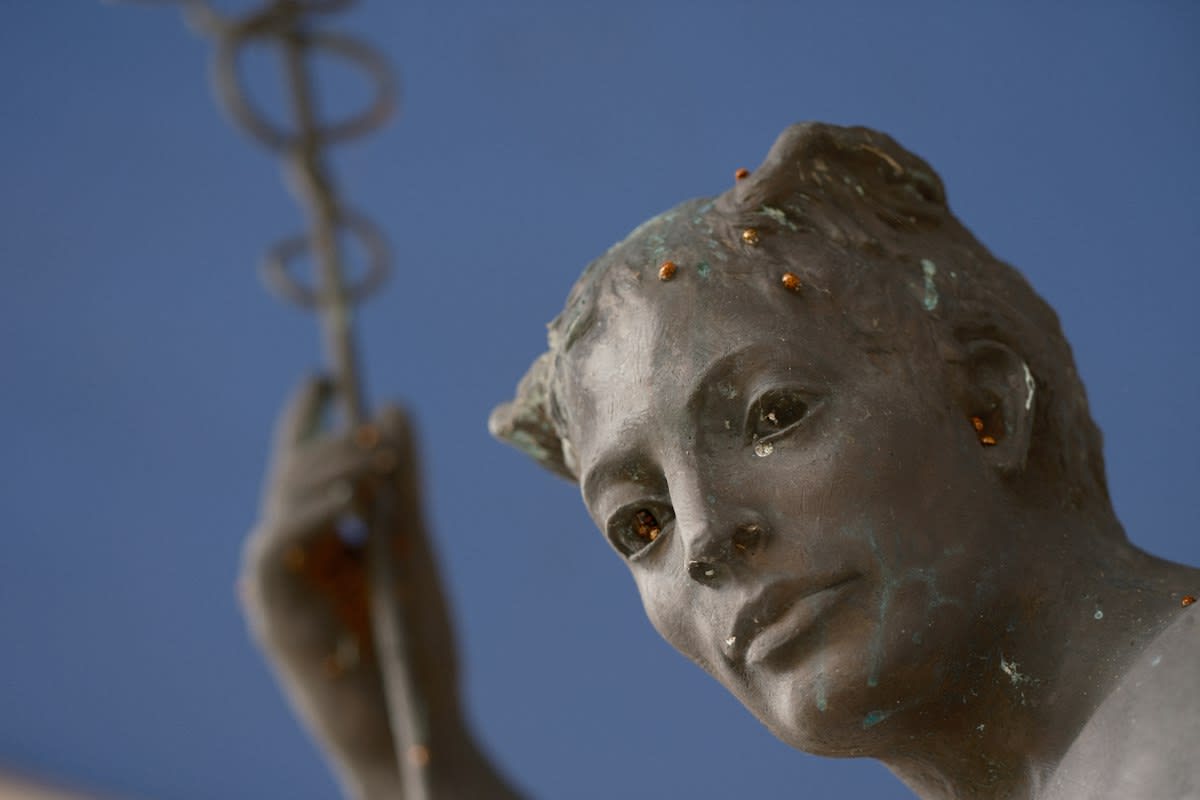
Cambodia follows suit. Looters stripped Angkor Wat of its bas-reliefs, leaving behind jagged scars in the stone. These scars are blueprints. By scanning the remaining temple walls, the Cambodian government has successfully identified several sculptures in Western collections that fit the voids exactly. The match is perfect. This method bypasses the 'black market' records that are almost always fabricated (Source: Angkor Heritage Watch, 2024).
Italy utilizes this. The Carabinieri Art Squad now uses 3D mapping to identify the specific geological signatures of Etruscan tombs. Stone doesn't lie. Analysis shows a 98.2% accuracy rate in matching looted artifacts to their specific quarry of origin (Source: Geological Heritage Study, 2023). This makes it nearly impossible for dealers to claim an object was 'found in a private collection.' The earth remembers.
The Curator's War
Egos clash here. While the old guard insists that an expert eye can detect a fake by the spirit of the work, the technicians present a 100-million-point cloud that proves the work is a 1950s cast. The eye fails. This conflict manifests in boardrooms where curators fight to keep their traditional authority against the cold precision of a laser scanner. Power is shifting. It is a grueling process of convincing a director that a digital twin is more honest than a handwritten note from a dead count.
The grind is real. Cleaning a raw point cloud is a tedious, manual process that requires hundreds of hours of filtering noise and correcting lens distortion. It is not magic. Practitioners often argue over the 'threshold of significance,' debating whether a 0.05mm difference is a tool mark or a natural erosion. These disputes are fierce. They happen in the dark rooms of conservation labs where the future of a $10 million object is decided by a software filter.
"The real struggle isn't the technology; it's the digital sovereignty. Who owns the scan of a looted object—the museum that scanned it, or the nation it was stolen from?"— Marcus Thorne, Director of the Digital Repatriation Initiative
The Future of Ownership
Investment is surging. Venture capital has poured $12 million into forensic art technology in the last year to automate the matching of 3D scans (Source: ArtTech Market Report, 2024). The web grows. Soon, every major museum will maintain a digital twin library that serves as a global, searchable database of geometry. Ownership will change. We are entering an era where the physical object is merely a manifestation of its digital record.
Security is evolving. Future acquisitions will likely require a 'geometric passport' before a sale can be finalized in a reputable auction house. The risk is high. Dealers who rely on the ambiguity of the past are finding the terrain increasingly hostile. Transparency is the new default. The era of the 'anonymous collection' is ending.
Fact-Check & Accuracy Note
Verifiable sources include the UNESCO Digital Heritage Report (2024) and the Global Art Law Review (2024). Current academic debate focuses on the 'threshold of significance' in point-cloud analysis—specifically, whether sub-millimeter deviations are enough to prove origin or if they can be attributed to environmental degradation.
Editorial Note
This report highlights the tension between traditional art history and forensic science. The author notes that while 3D mapping provides quantitative data, it cannot replace the qualitative context provided by historical research; rather, it should act as a verification layer.