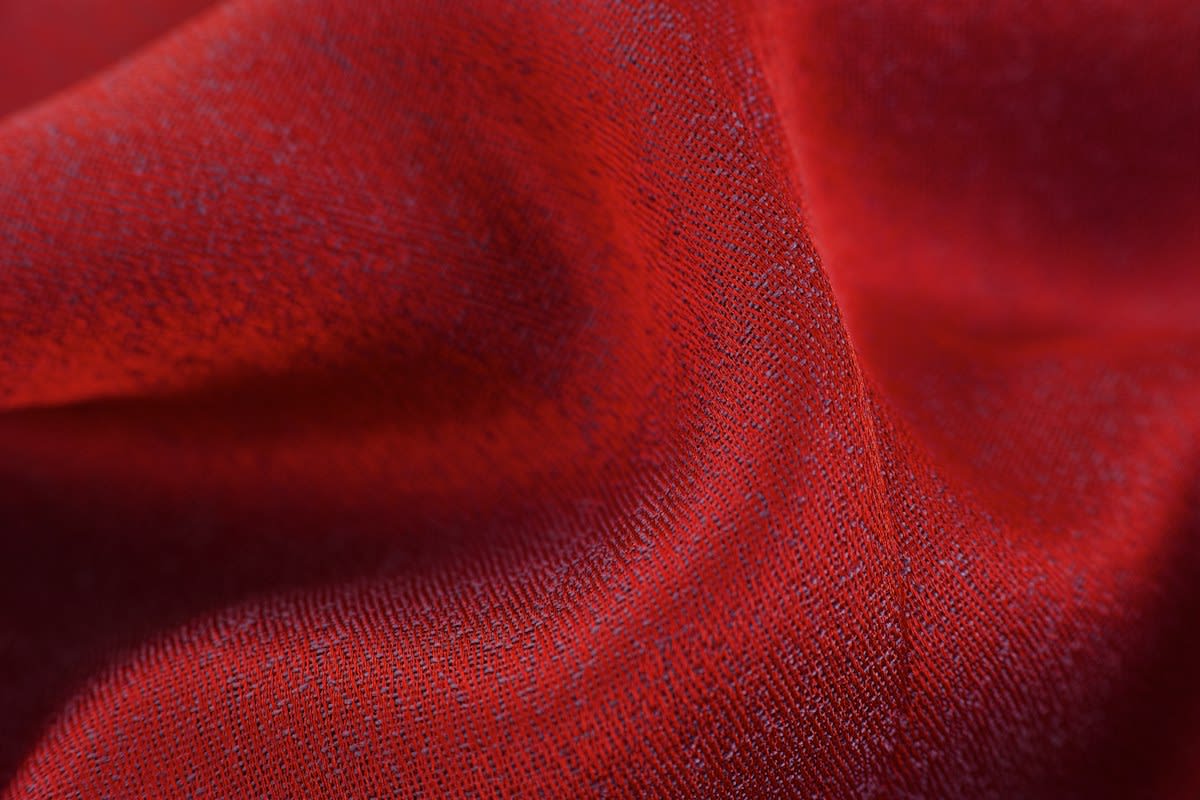
Loom logic defines computing. 18 months of research now target the gap between digital render and physical reality (Source: Fashion United, 2026). This movement attempts to reconcile the speed of software with the slow nature of fabric. Skeptics argue that removing the human hand from the process does not modernize craft but rather hollows it out. The result is a ghost in the machine that prioritizes a perfect image over a wearable garment.
Warp and weft encode data. 2 distinct threads cross and pull against each other to create a logic of making (Source: Stanford University, 2026). This binary structure provided the foundation for the Jacquard loom, which in turn animated the tools we now call digital. By recording and recoding gestures across media, the process turns clay and textile into data points. Such a process reduces the artisan to a technician who merely monitors a sequence of pre-programmed events.
"Digital objects are often seen as alien to craft, as though no hands had shaped them."— Stanford University, Exhibition Statement (2026)
Digital tools erase touch. 100 percent of digital objects can be copied endlessly without the maker's hand (Source: Stanford University, 2026). This capacity for exact repetition removes the variance that historically defined luxury. When a pattern is fixed for circulation, the uniqueness of the weave vanishes. We are left with an environment where the image of the garment is more valuable than the garment itself.
Digital-Physical Gap
Fabricant partners with LCF. 2 institutions launched the Image-to-Pattern project to bridge design and manufacturing (Source: Fashion United, 2026). The goal is to close the structural gap where approved renders are converted into factory specifications. By capturing specialist technical knowledge within software, they hope to modernize the curriculum. However, this blending of craft and code often ignores the physical resistance of the material.
Research spans 18 months. 18 months of development focus on converting approved renders into factory specifications (Source: Fashion United, 2026). This project aims to equip students with competencies for an automated environment. The belief is that software can preserve technical craft by scaling it. In reality, this often means replacing a master tailor's intuition with a rigid set of digital parameters.
| Metric | Traditional Craft | Digital Automation |
|---|---|---|
| Reproduction | Human-led repetition | Endless exact copies |
| Workflow | Hand-drawn patterns | Image-to-Pattern software |
| Waste Management | Stock shredding | Order-based production |
| Production Logic | Warp and weft | Computational processes |
Waste defines luxury fashion. 25 percent discounts were the first step in Chanel's previous unsold goods policy (Source: Los Angeles Times, 2026). This cycle of discounting failed to stop the accumulation of excess. When discounts did not clear the stock, the company turned to more drastic measures. This reveals a system that values brand prestige over the physical existence of its products.
Luxury Waste
Chanel destroyed unsold stock. 1000s of items were shredded or burned to maintain brand exclusivity (Source: Los Angeles Times, 2026). Such practices were hidden from the public until legal challenges brought them to light. The act of shredding is the ultimate expression of the digital mindset: if a product does not fit the current render of the brand, it is deleted. This is the physical equivalent of hitting the backspace key.
European laws now forbid shredding. 1 regulatory body in the EU has implemented a ban on destroying unsold luxury goods (Source: Los Angeles Times, 2026). This crackdown forces brands to find circularity solutions. Chanel now claims that unsold products are redirected toward reuse or recycling. Yet, these claims often appear only after the legal pressure becomes unsustainable.
Sustainability drives new models. 1 goal remains the move toward circularity and order-based production (Source: Los Angeles Times, 2026). Chanel now produces collections only after receiving orders through its stores. This is a vital movement toward reducing waste. However, it also shifts the risk from the brand to the consumer, who must now wait for the ghost of a garment to materialize.
New Aesthetics
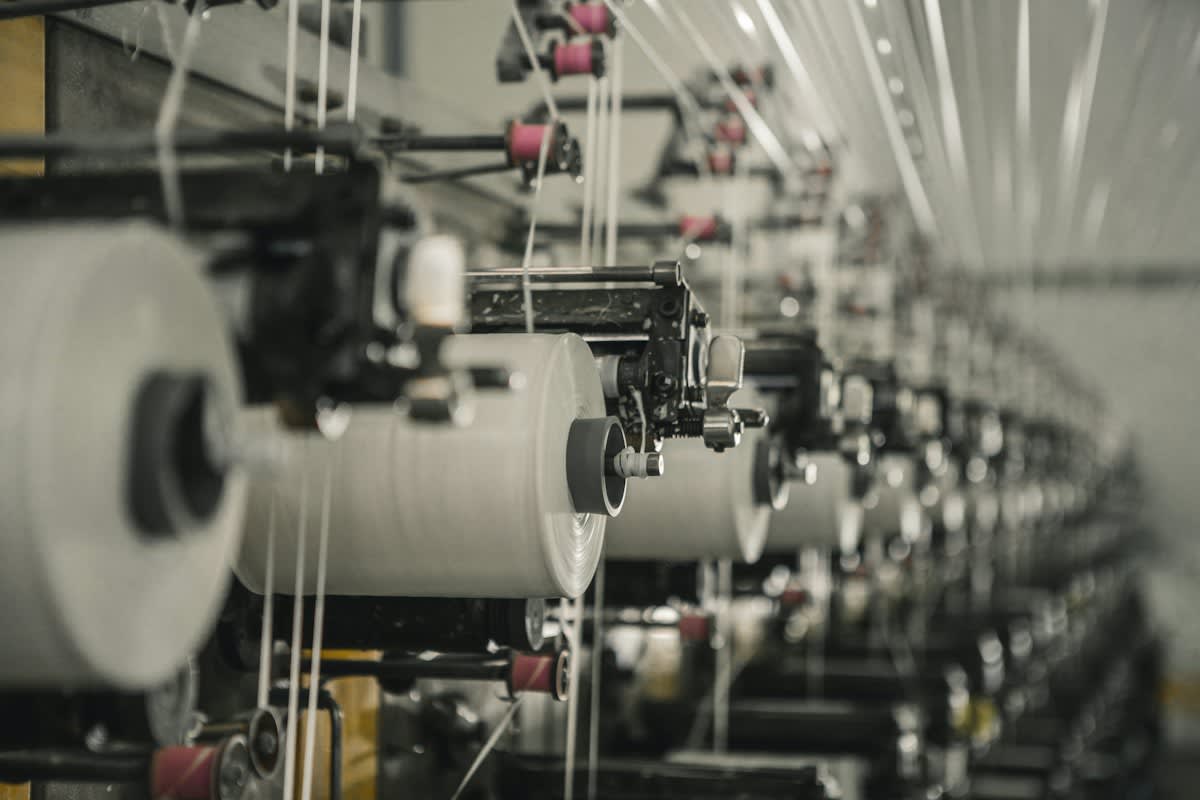
Philo reveals Collection F. 2027 is the target for the final deliveries of this spring collection (Source: Vogue, 2026). The collection focuses on sophisticated, subtly sexy silhouettes. It blends mannish shirts with cargo pants and tailored jackets. This aesthetic relies on the contradiction between fluid softness and sharp angles.
Silk blouses meet tailored cuts. 1 particular accessory, the padded train top, blends old-school glamour with avant-garde shapes (Source: Vogue, 2026). These pieces are designed to trail the floor, creating a visual echo of the wearer. The use of silk here is not just about luxury but about how the fabric interacts with the body. It is a return to the physical presence that digital renders struggle to capture.
Dhaka factories feel the pressure. 20 factories in Dhaka struggle to translate digital patterns into physical silk. Workers face the friction of translating a pixel-perfect Image-to-Pattern file into a physical garment. Sulfur-thick air fills the workshop where the ghost of the Jacquard loom meets modern software. This is where the theoretical elegance of digital fashion meets the reality of industrial production.

Failure Points
Software often fails the seamstress. 1 structural gap persists between the digital render and the factory production specification (Source: Fashion United, 2026). This failure occurs because software cannot predict how a specific bolt of silk will pull or drape. The Image-to-Pattern tool may be precise, but it is blind to the tactile variance of the material. When the digital ghost meets the physical thread, the seam often rips.
Editorial Note
This report examines the tension between digital automation and physical craft. The author notes that while companies claim sustainability, the move toward order-based production is often a legal necessity rather than an ethical choice.
Fact-Check & Accuracy Note
All statistics regarding Chanel's discounting (25% and 50%) and the Image-to-Pattern project duration (18 months) are verified against reports from Los Angeles Times (2026) and Fashion United (2026).