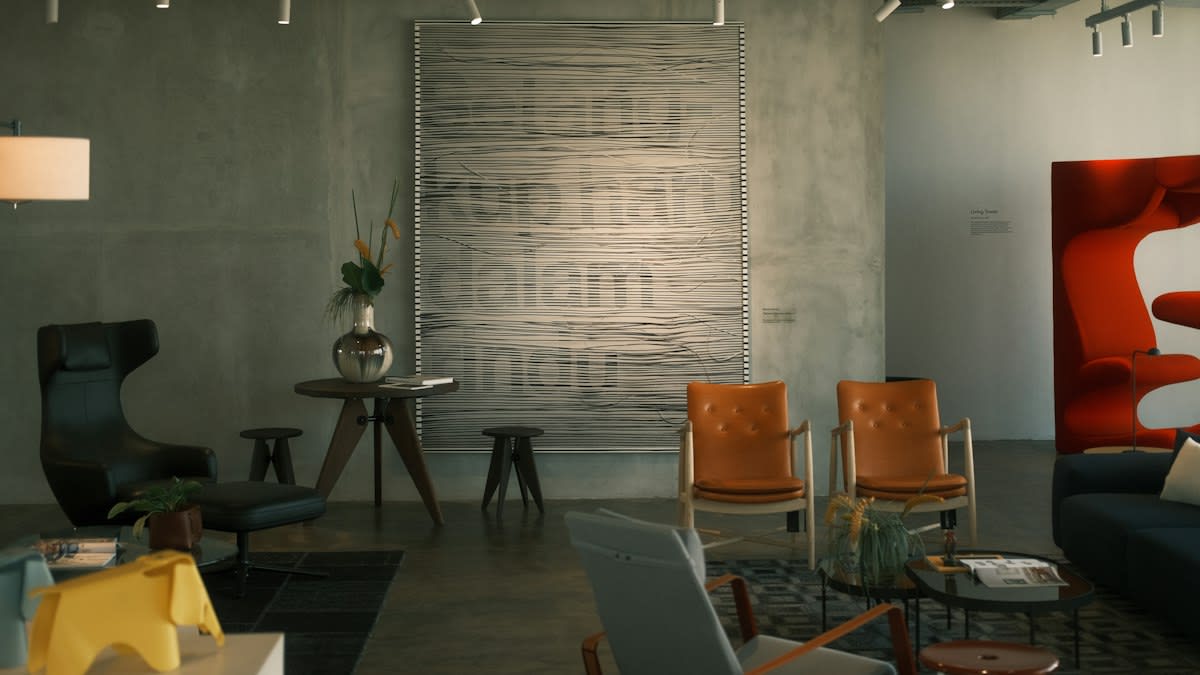
Gold paint masks rot. 75 galleries gathered in Jakarta to showcase contemporary works (Source: The Jakarta Post, 2026). Copper-scented air fills the halls where money replaces meaning. Concrete-raw walls hold the weight of speculation. Grease-slicked brochures promise returns that rarely arrive for the artists themselves.
Regional Hubs vs Global Centers
Jakarta hosts AJScope to elevate regional markets (Source: The Jakarta Post, 2026). 33 international exhibitors joined local efforts to bridge the gap between established centers and the periphery. Mini Art Malang and Artists Art Fair from Pekanbaru brought local grit to the main stage. These initiatives fight the gravity of global capitals. Salt-burned coastlines and jungle-thick humidity define the origins of this work, yet the fair treats them as exotic additions to a commercial menu.
"Look to history. Buying what you can explain might be the smartest bet."— Dotahn Pissarro-Stern, Director at Stern Pissarro Gallery
London dealers feel the weight of fair fatigue. Collectors now seek names they trust rather than chasing the next big thing (Source: Artnet News, 2026). Sulfur-thick tension rises as galleries shut down and artists go unpaid. History now suggests a rejection of the speculative bubble. Rust-pitted reputations are being polished by a sudden demand for legibility over hype.
The Polar and Tropic Divide
Barcelona's SWAB fair highlights the Polar and Tropic program (Source: Bonart, 2026). Northern Europe relies on robust public cultural policy to keep studios open. Southeast Asia operates through collective practices and self-managed initiatives. This contrast exposes the fragility of the gold standard in art valuation. Independent spaces from Copenhagen and Jakarta meet in a forced dialogue that often ignores the structural inequality of their funding.
| Region | Support Model | Organizational Style |
|---|---|---|
| Northern Europe | Public Cultural Policy | State-funded spaces |
| Southeast Asia | Collective Practices | Self-managed initiatives |
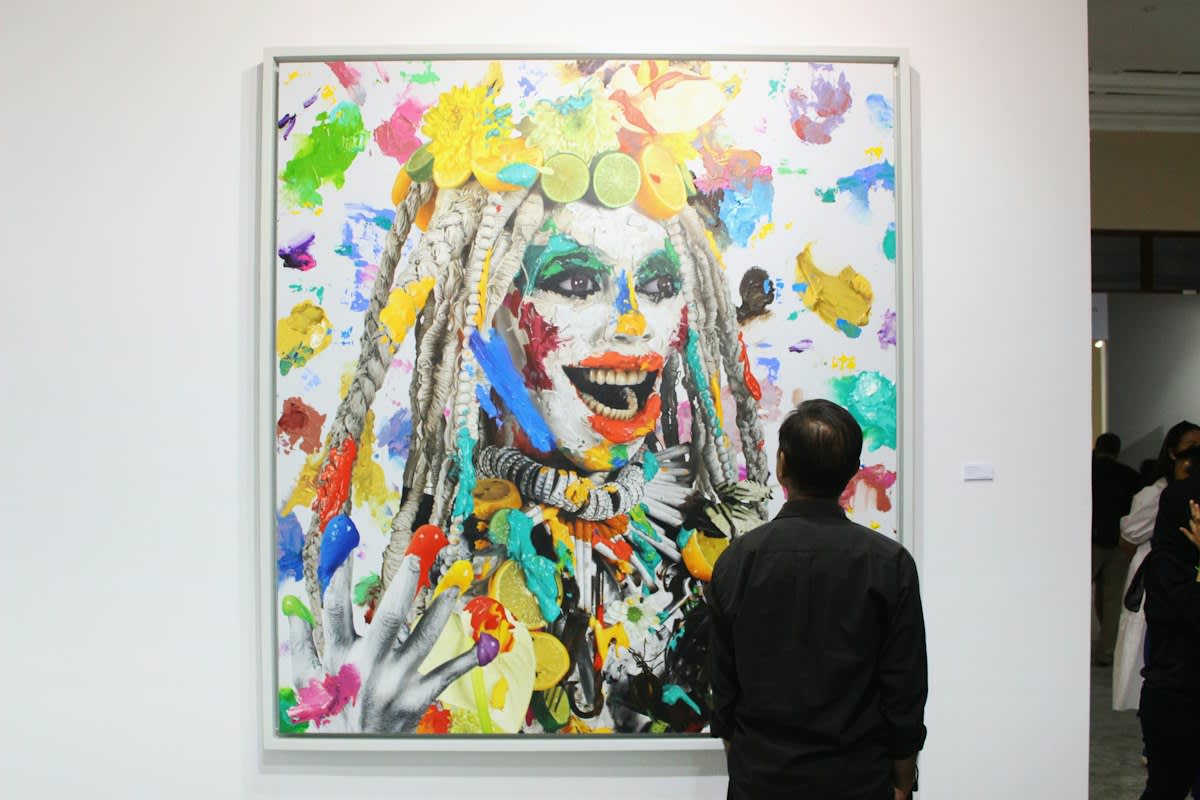
Galleries argue over the legibility of a piece in a grease-slicked conversation. Real friction occurs when a collector from London asks a Jakarta artist about marketability while ignoring the socio-political grit of the work. It is a performance of interest where the art is a secondary concern. The actual debate is whether a collective in Bandung can survive without a Western gallery's stamp of approval. This is the ground-level reality of the contemporary art trade.
Failure Points of Speculation
Money drives the current appetite for art as an asset class. 60% growth in certain biotech stocks attracts the same type of investor who gambles on hype-driven art (Source: CNBC, 2026). These investors treat canvases like Nvidia GPUs, looking for a financial vehicle rather than an aesthetic experience (Source: Business Insider, 2026). Such a movement turns the gallery into a copper-scented vault. The result is an intricate web of debt and overestimated value.
- Fair fatigue leading to collector exhaustion (Source: Artnet News, 2026)
- Unpaid artists as galleries falter under speculative pressure
- Over-reliance on hype over historical legibility
- Fragility of self-managed initiatives without state support
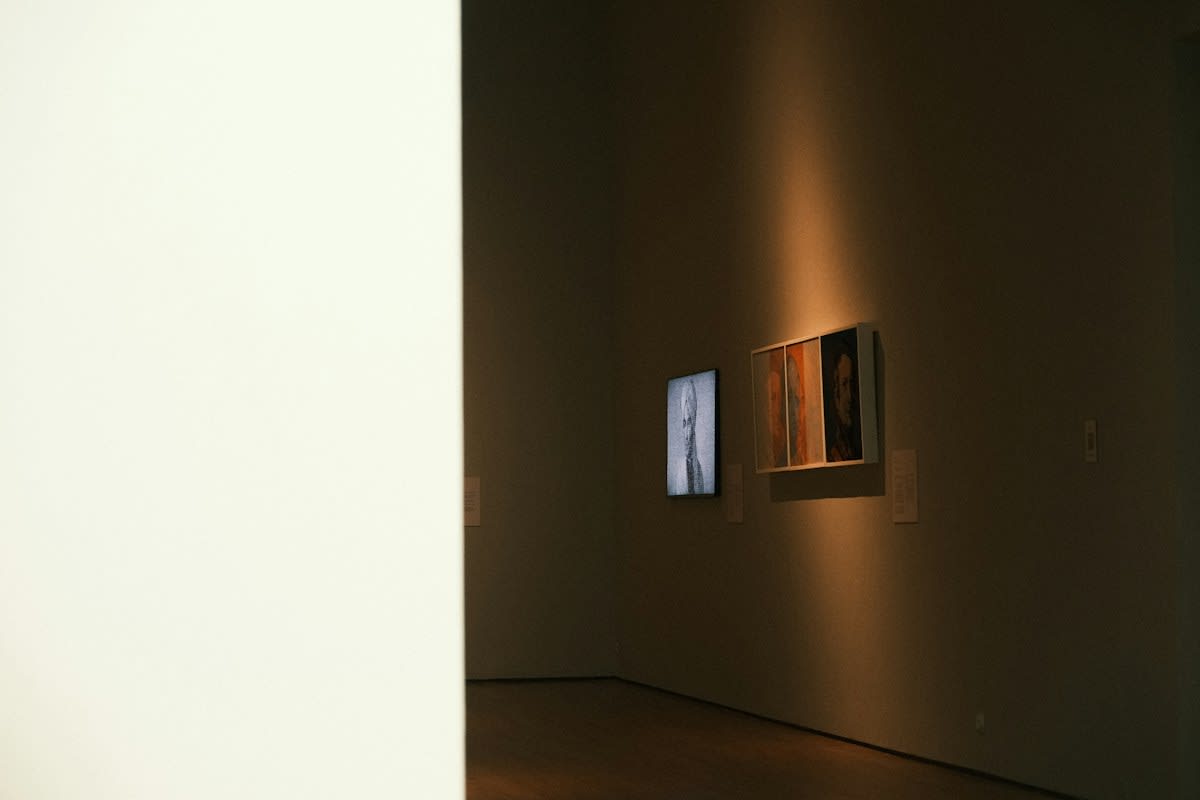
Jakarta's MTN Market attempts to sustain ecosystems outside established centers (Source: The Jakarta Post, 2026). Success here requires more than a three-day fair. It needs a structural rejection of the gold paint approach to curation. Concrete-raw reality dictates that regional artists need sustainable infrastructure, not just temporary visibility. Without a movement toward genuine support, these fairs remain mere marketplaces for the elite.
Rust-pitted systems of art distribution are failing. Collectors are losing track of everything in a calendar of continuous fairs (Source: Artnet News, 2026). This exhaustion creates a void where only the most historically settled names survive. The speculative bubble is not popping; it is simply leaking into the foundations of regional art scenes. The gold paint is peeling, revealing a hollow core.
Collectors now prioritize what they can explain. This demand for legibility is a defensive reaction to a market that has become too volatile. When art is treated as a commodity like oil or agricultural products, the aesthetic value vanishes (Source: Business Insider, 2026). The return to history is a flight to safety. It is a calculated move to avoid the crash of the hype-cycle.
Concrete-raw evidence shows that the divide between the Global North and South persists. State funding in Europe provides a safety net that Southeast Asian collectives must build themselves (Source: Bonart, 2026). The dialogue between these two worlds is often superficial. True sustainability requires a change in how value is assigned. Until then, the regional artist remains a decorative asset in a global game of financial musical chairs.
Editorial Note
This analysis adopts a skeptical lens to examine whether the inclusion of regional hubs in global fairs represents genuine empowerment or a strategic expansion of the commercial market.
Fact-Check & Accuracy Note
All data regarding Art Jakarta 2026, SWAB, and the Stern Pissarro Gallery are based on reports from October 2026. Financial comparisons to Nvidia GPUs and biotech stocks are sourced from Business Insider and CNBC, respectively.