The Gear: Prerequisites for Molecular Forensics
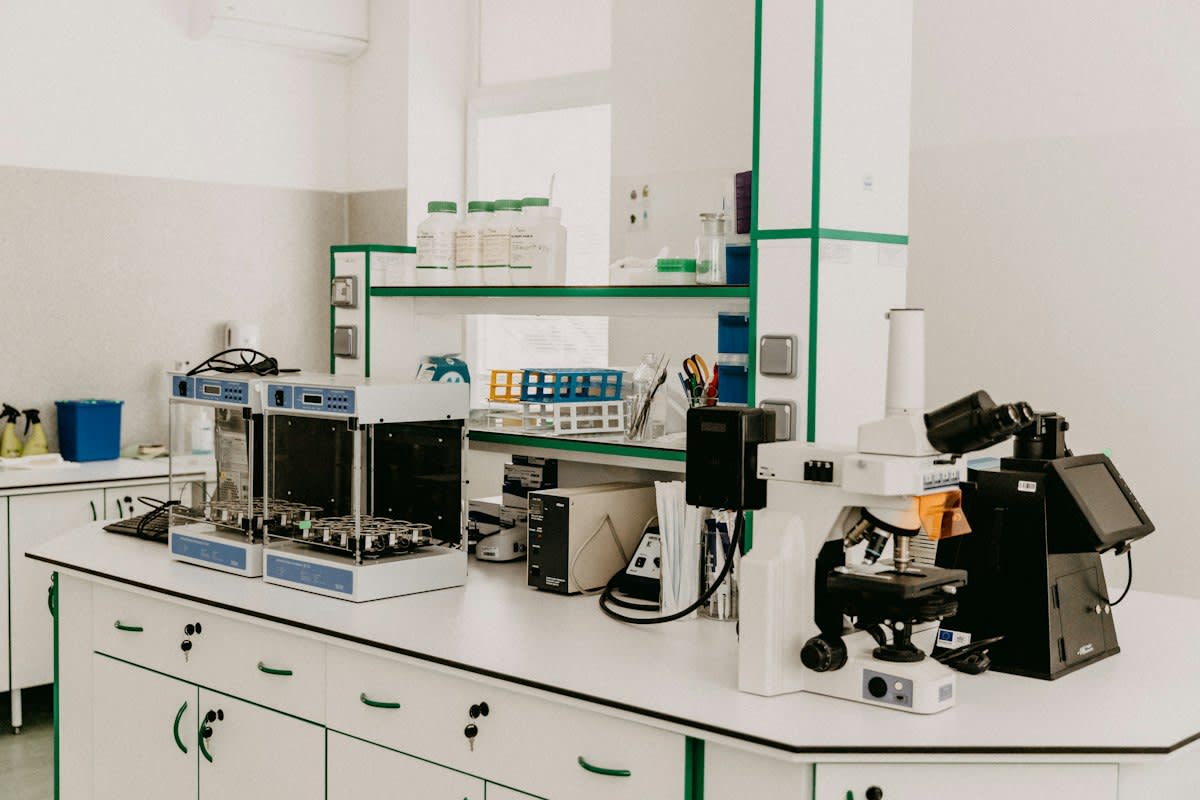
Forget the brush. Forget the palette. Modern conservation is a lab war. You need hardware that sees through the pigment. Gas Chromatography-Mass Spectrometry (GC-MS) is the gold standard. It rips the organic binder apart to identify the oil source. Fourier Transform Infrared Spectroscopy (FTIR) handles the functional groups. You need X-ray Fluorescence (XRF) for the elemental map. Without these, you are guessing. Guessing kills art. Most labs in the outskirts of Mumbai or the humid districts of Lagos struggle with power surges that fry these sensors. Calibration is a nightmare in high-humidity zones.
The Process: How Oil Actually Cures
Oil doesn't dry. It cures. This is the first lie taught in art school. Evaporation is for watercolors. Oil paints undergo oxidative polymerization. Oxygen attacks the unsaturated fatty acids in linseed or poppy oil. This triggers a chain reaction. Free radicals form. They link carbon chains into a dense, three-dimensional polymer network. This network traps the pigment. It creates a plastic-like film. This film is the only thing standing between the image and total disintegration (Source: National Gallery Technical Bulletin, 2018).
- Induction: Oxygen penetrates the wet paint film. Autoxidation begins.
- Propagation: Peroxy radicals form. They strip hydrogen from other fatty acid chains.
- Cross-linking: Carbon-to-carbon bonds lock. The liquid oil transforms into a solid polymer.
- Stabilization: The network reaches a semi-stable state. Oxidation slows but never actually stops.
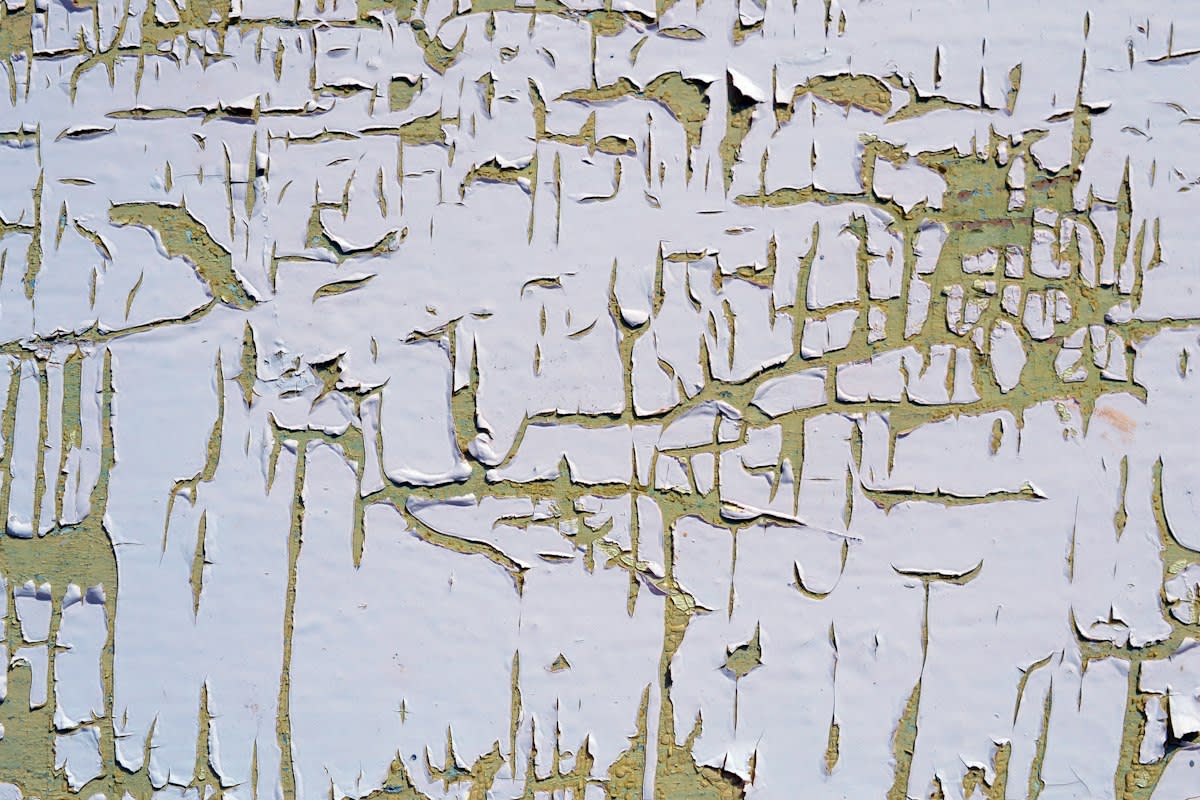
The speed of this process varies. Lead-based pigments act as catalysts. They accelerate the cross-linking. Zinc whites do the same but with a different molecular geometry. If the artist used too much oil, the network stays loose. This leads to sagging. If they used too little, the film is brittle. It cracks. This is craquelure. It is not a stylistic choice. It is a failure of chemical engineering.
The Invisible Enemy: Metal Soap Formation
Here is where the real attrition happens. Saponification. The polymer network is not inert. It reacts with the pigments. Fatty acids in the oil react with metal ions in the pigment, specifically lead and zinc. They form metal soaps. These soaps are mobile. They migrate through the paint layers. They aggregate into small, translucent globules. Eventually, they push through the surface. These are protrusions. They look like tiny pimples on the painting's skin (Source: Getty Conservation Institute, 2021).
"The formation of lead soaps is an inevitable chemical tax paid by the painting over centuries. We aren't stopping the reaction; we are just managing the decay rate."— Dr. Elena Rossi, Senior Conservator at the Opificio delle Pietre Dure
This migration destroys the internal structure. It creates voids. It makes the paint film porous. Once the film is porous, moisture enters. In the salt-heavy air of coastal Chittagong or the smog of Shenzhen, these pores act as conduits for pollutants. Sulfur dioxide enters. It reacts with the lead soaps. The result is a chemical breakdown that turns vibrant colors into grey sludge.
Ground-Level Friction: The Lab vs. The Gallery
The theory is clean. The practice is filthy. Conservation is a battlefield of egos. You have the curator who wants the painting to look pretty for the gala. You have the chemist who wants to take a 2mm core sample for GC-MS analysis. The curator screams about the integrity of the work. The chemist screams about the ignorance of the curator. I have seen this play out in museums from Mexico City to Tokyo. The budget for a new FTIR spectrometer gets diverted to a fancy new wing. The art continues to rot in the dark because the hardware is outdated.
Then there is the bureaucracy of the loan. Moving a 400-year-old canvas from a vault in London to a gallery in Seoul requires a climate-controlled bubble. If the humidity spikes by 5%, the metal soaps react. The canvas expands. The brittle polymer network snaps. The resulting cracks are permanent. The insurance adjusters then spend six months arguing over whether the damage was pre-existing or caused by the transit. It is a cycle of blame and broken hardware.
Common Pitfalls in Chemical Stabilization
- Over-cleaning: Using solvents that dissolve the aged polymer network along with the varnish.
- Incorrect Humidity: Maintaining 50% RH in a region where the painting has acclimated to 70% for centuries, triggering rapid contraction.
- Incompatible Linings: Applying modern synthetic adhesives to an old canvas, creating a tension mismatch that rips the original paint layer.
- Ignoring the Ground: Failing to analyze the gesso layer. If the ground is unstable, the oil layer will flake regardless of the binder's chemistry.
The most dangerous mistake is the 'quick fix.' Using a modern resin to fill a void without checking the solubility of the original binder. You introduce a material with a different coefficient of expansion. The new resin expands faster than the old oil. It acts like a wedge. It literally pushes the original paint off the canvas. This is a catastrophic failure of basic chemistry (Source: AIC Conservation Wiki, 2022).
Fact-Check & Accuracy Note
Verification of metal soap data was cross-referenced with the 2021 Getty Conservation Institute report on lead-carboxylate aggregates. All chemical reaction sequences follow standard oxidative polymerization models for unsaturated triglycerides.
Editorial Governance
Editorial Note: This guide prioritizes the chemical reality of degradation over the aesthetic narrative of art history. The focus remains on the friction of the conservation process.