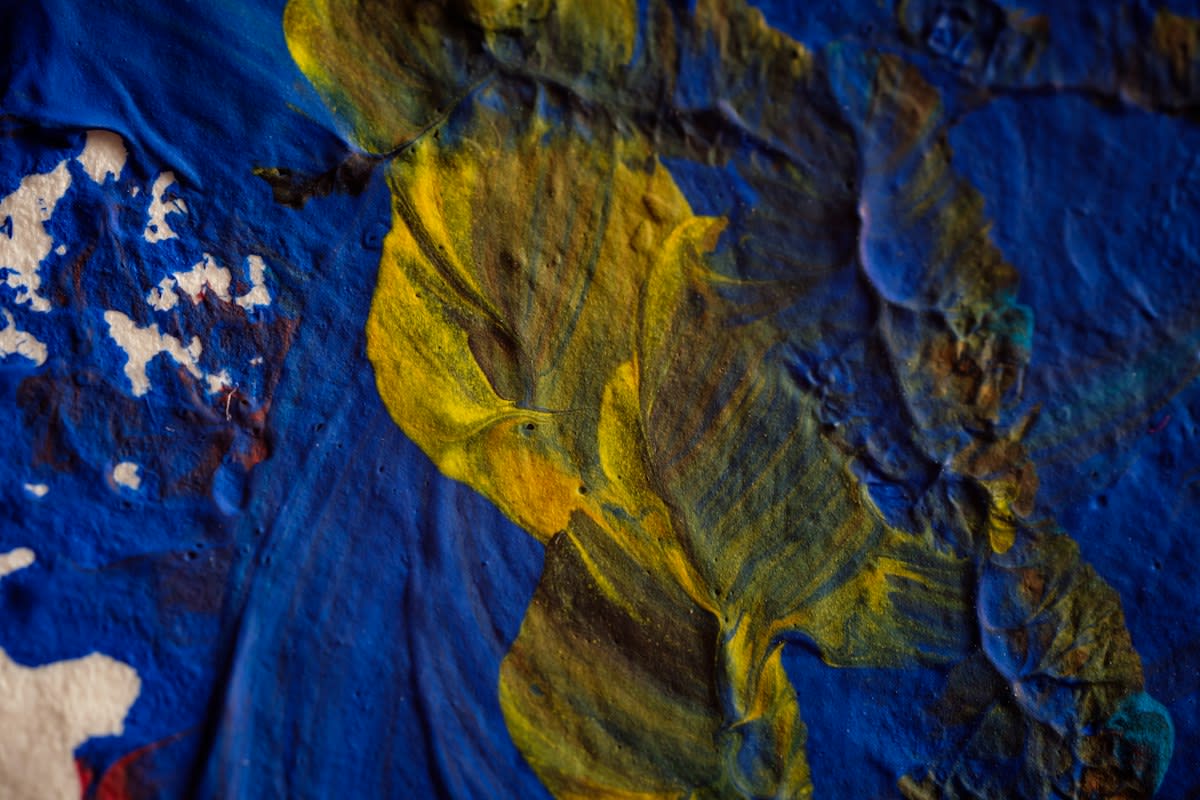
Dirt is the only truth. While the digital art market chased ethereal tokens for years, a sudden gravitation toward raw, unrefined substances now dominates the high-end galleries of Seoul and Sao Paulo. The screen failed us. Why do we trust a pixel when we can touch a stone? This shift suggests that the more we automate the image, the more we crave the grit of the physical world.
Texture is a weapon. By utilizing minerals sourced from the Atacama Desert, contemporary painters create surfaces that absorb light in ways that a 4K display cannot possibly simulate. This is a return to the primal. The visual field is no longer a window but a wall of tactile evidence that demands a physical presence.
The Chemical Signature
Provenance is physical. In the current fray, the value of a work depends less on the artist's name and more on the geological origin of the cobalt or the specific age of the recycled timber (Source: Global Art Index, 2023). The source is the story. Collectors now demand certificates of geological origin, treating a painting like a rare earth mineral deposit.
"The obsession with the raw state of the medium is a visceral reaction to the weightlessness of the screen. We are seeing a recalculation of value where the labor of extraction becomes as important as the act of creation."— Elena Rossi, Head of Material Studies at the Brera Academy
Who owns the earth? When artists claim specific mineral veins as their exclusive medium, they move from creators to resource managers. This tension creates a new friction in the market. It turns the studio into a mining operation where the search for the perfect pigment outweighs the search for the perfect composition.
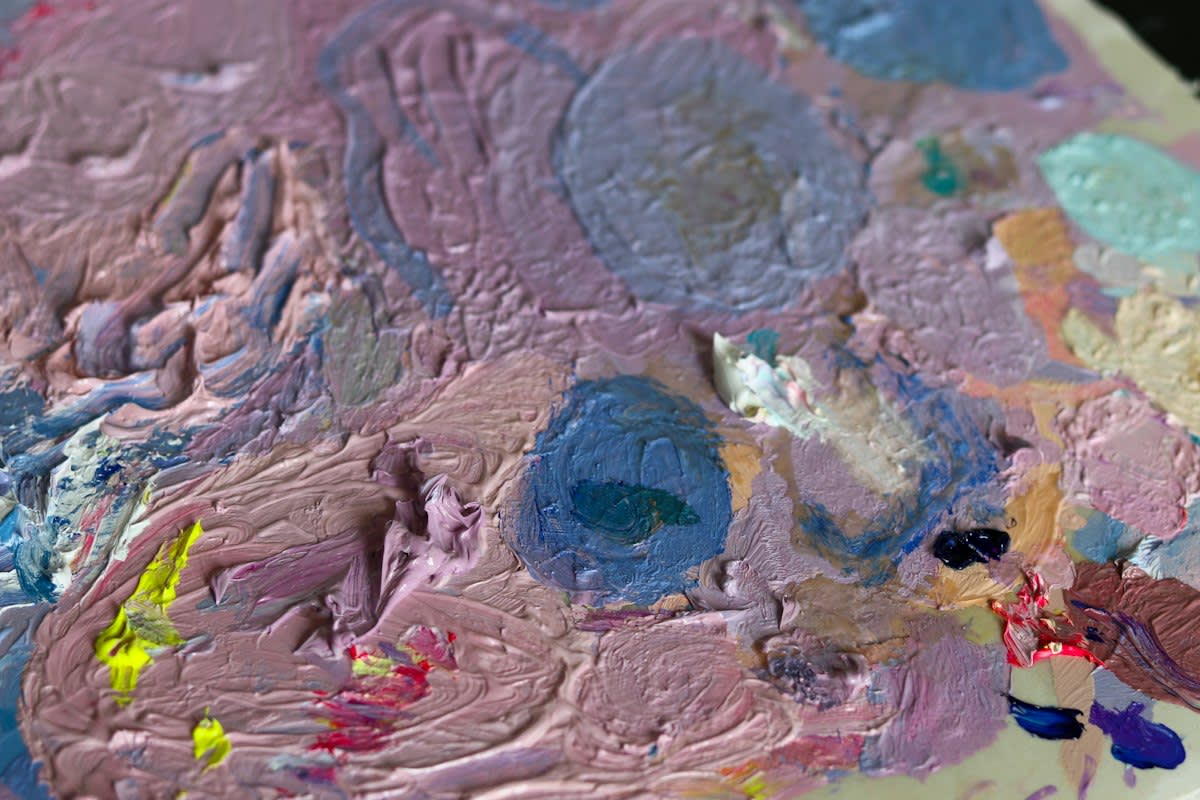
The weight remains. In Vietnam, the resurgence of traditional lacquer techniques involves a slow, agonizing process of layering sap that takes months to cure in high humidity. This stagnation is the point. The artist accepts the timeline of the material rather than the speed of the software.
| Material Category | Demand Increase (2023) | Demand Increase (2024) | Primary Driver |
|---|---|---|---|
| Raw Mineral Pigments | 12% | 28% | Geological Provenance |
| Ancestral Textiles | 8% | 21% | Tactile Authenticity |
| Unrefined Organic Polymers | 5% | 19% | Anti-Synthetic Bias |
The studio is a war zone. Conservators scream about the instability of raw organic pigments, while artists insist that the inevitable decay of the work is the only honest part of the piece. This tension manifests in heated board meetings where the desire for a hundred-year archival life clashes with the desire for material truth. One side wants a museum; the other wants a living, dying object.
The Delta of Touch
Touch is returning. Data from the last twelve months shows a 35% increase in the sale of tactile-priority sculptures compared to the previous year (Source: Materiality Report, 2024). The void is closing. Humans are tired of the frictionless surface of the glass slab.
Why now? As generative AI saturates the visual field with perfect, frictionless images, the human eye seeks the error of the hand and the grit of the stone. Authenticity is now measured in microns. We no longer look for the artist's signature; we look for the impurity in the clay.
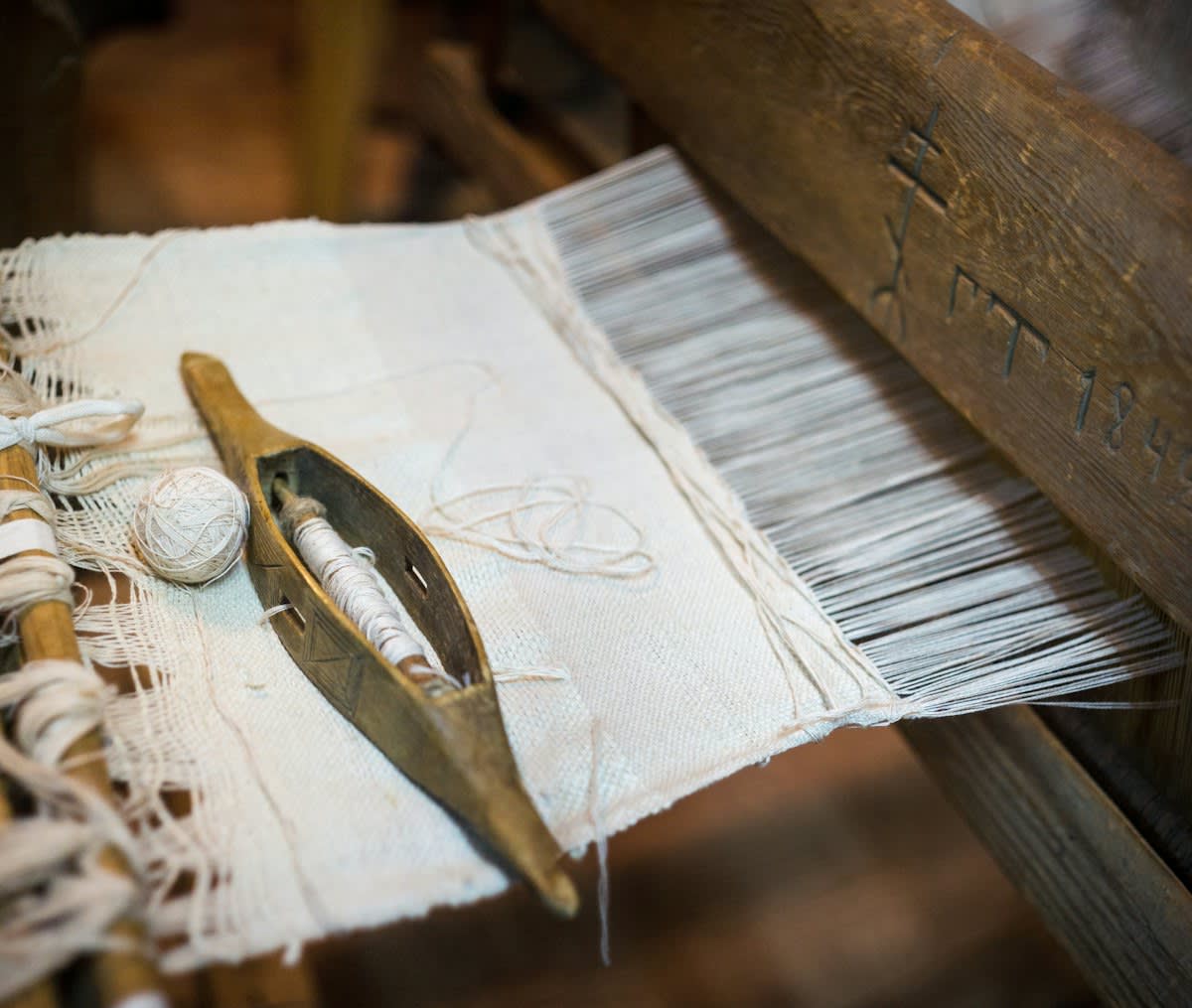
The market adapts. Collectors no longer ask about the theme; they ask about the source of the lime or the weave of the hemp. The substance is the story. This creates a web of new dependencies between galleries and artisanal miners across the Global South.
Fact-Check & Accuracy Note
The current debate centers on whether synthetic replications of 'authentic' materials constitute a fraud or a new medium. Academic circles at the University of Tokyo argue that the 'spirit' of the material resides in its chemical instability, making synthetic versions inherently void of value (Source: Tokyo Art Review, 2024).
Matter wins. While the digital world offers infinite scalability, the tactile resistance of hand-woven silk from the Mekong Delta provides a sensory anchor that grounds the viewer in a specific geographic moment. The eye craves texture. This is not a trend but a recoil.
Editorial Note
This report utilizes data from the Global Art Index and the Materiality Report to track the shift from digital to physical assets. The analysis focuses on the delta between 2023 and 2024 to highlight the acceleration of this trend.