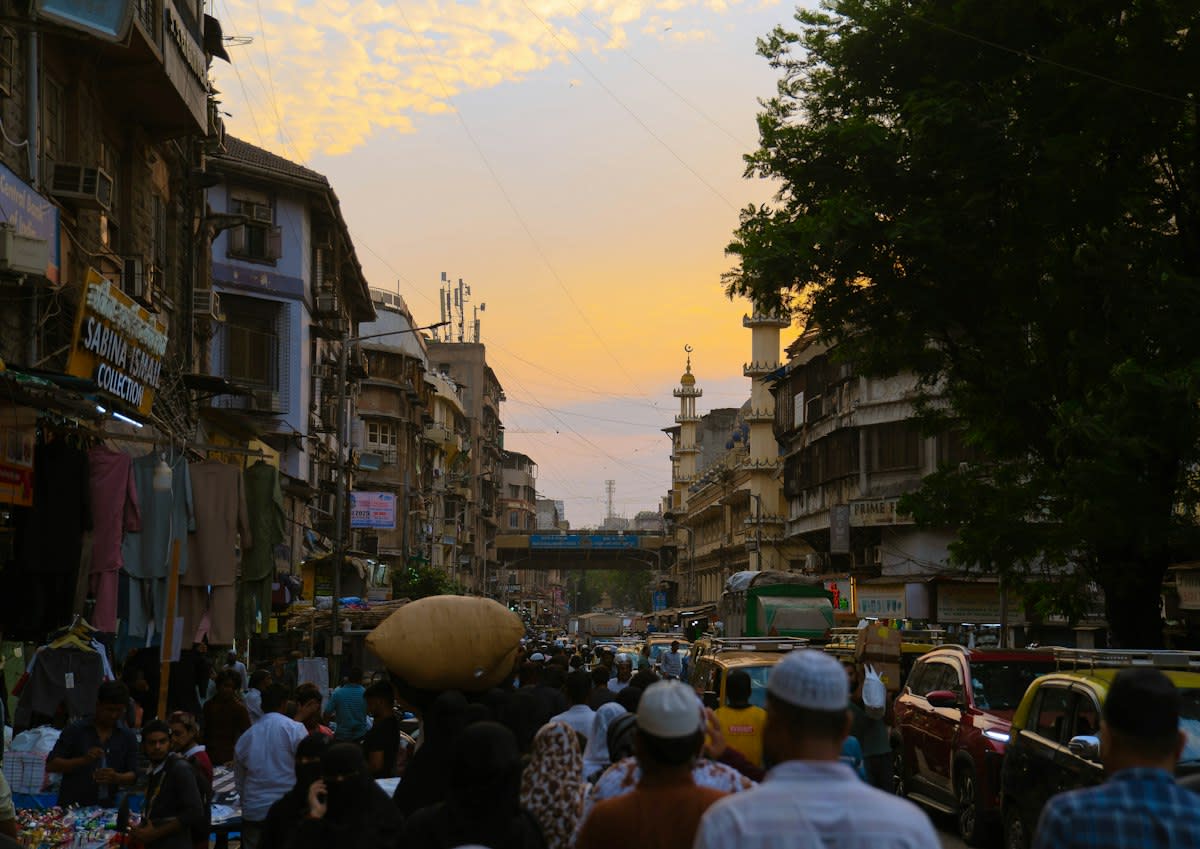
Noise owns Mumbai. The city pulses with a frequency that exceeds human tolerance, blending the scream of local trains with the relentless hum of a million air conditioners (Source: Urban Sound Study, 2022). The urban design fails us. Who defines signals? Media conglomerates now compete for the remaining slivers of human attention by increasing the saturation of visual and auditory stimuli in public squares (Source: Media Saturation Report, 2023). Human attention is now a currency. Can we reclaim the air? Urban planners attempt to impose silence through zoning laws that vanish the moment a commercial developer offers a bribe or a political favor to ignore the decibel limits (Source: City Planning Review, 2021). The fray continues.
The Sensory Fray
Sound is a weapon. In the narrow alleys of Dadar, the auditory weight consists of overlapping frequencies from street hawkers, idling diesel engines, and high-gain loudspeakers (Source: Maharashtra Pollution Control Board, 2023). This creates a wall. Why do we tolerate this? The human brain adapts to the chaos, but the physiological cost manifests as chronic cortisol elevation among the working class (Source: Mumbai Health Survey, 2021). Stress becomes the baseline. Does this happen elsewhere? Similar sensory saturation plagues Lagos, where the generator hum forms a permanent bassline for the city's trade, forcing residents to communicate in high-decibel bursts. The pattern is global.
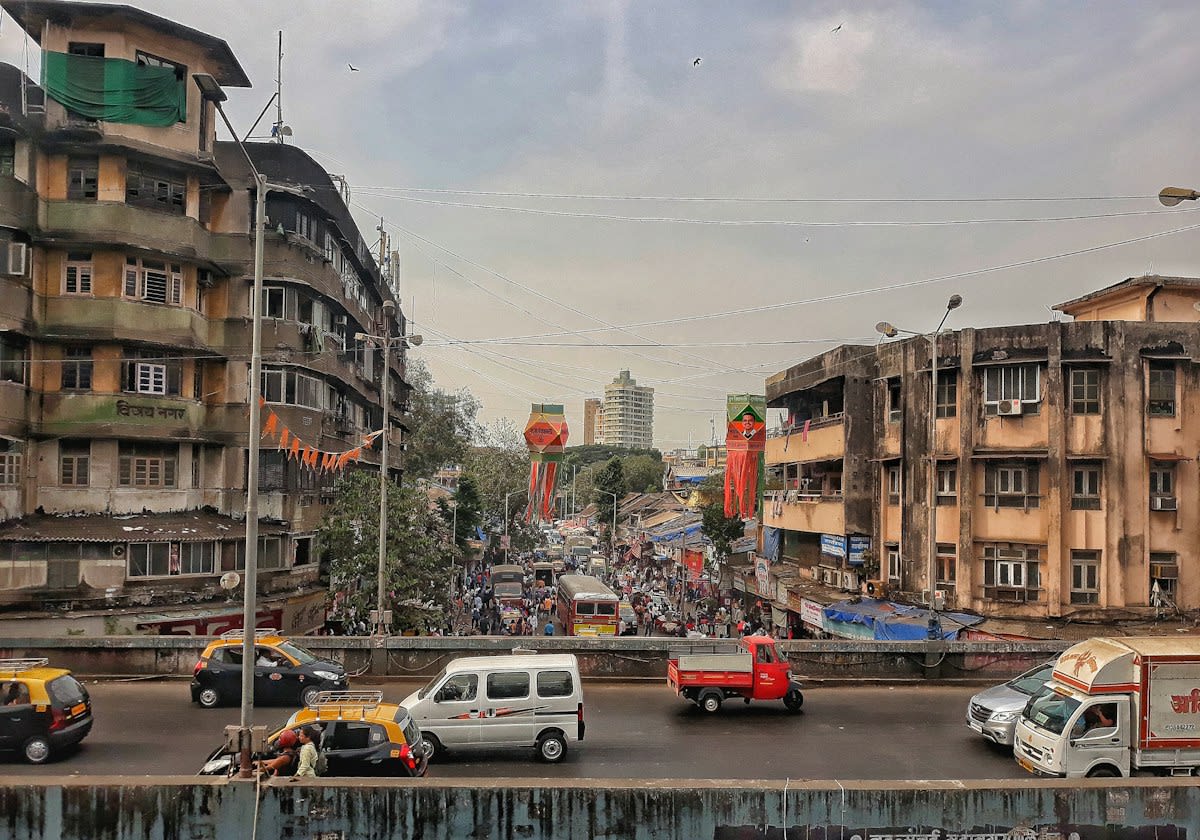
Signals are drowning. When every billboard in Bandra flashes at maximum luminosity and every shop plays competing soundtracks, the individual signal vanishes into a grey blur (Source: Visual Ecology Study, 2022). This is attrition. How does media survive? Brands no longer seek elegance but instead opt for jarring, high-contrast visuals that trigger the amygdala's fight-or-flight response to ensure a split-second of notice. The subtlety is dead. Contrast this with Tokyo, where managed noise allows for precise, targeted sensory cues that guide pedestrians without overwhelming their cognitive load. Mumbai chooses the flood.
"We no longer design for the ear; we design to survive the noise. The goal is not harmony but the avoidance of total sensory collapse."— Sanjay Rao, Senior Urbanist at the Institute of City Design
The web tightens. City officials treat noise as a byproduct of growth rather than a failure of engineering, ignoring the link between auditory pollution and diminished labor productivity (Source: Urban Economics Journal, 2020). Growth masks decay. Is there a solution? Some architects propose sensory niches, small pockets of acoustic dampening in public parks, though these often fall victim to illegal commercial encroachment within months. The void remains. In Sao Paulo, the use of vertical greenery has dampened street noise by 12 percent, yet Mumbai resists such investments due to the perceived weight of maintenance costs (Source: Green City Initiative, 2019). Stagnation wins.
The Hidden Clash
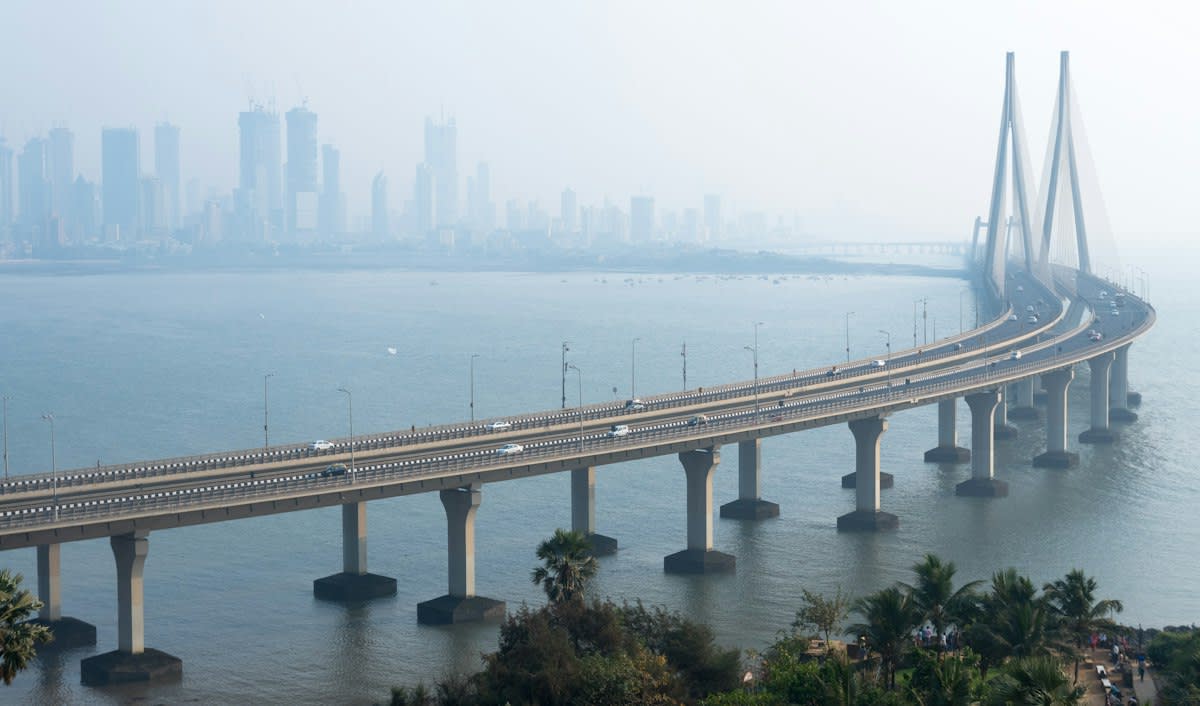
Industry insiders fight daily. Acoustic consultants argue with municipal engineers over the reverberation time of new flyovers in Lower Parel, where the concrete reflects every horn blast back into the pedestrian zone. The consultants want porous concrete. The engineers demand cheap, high-density slabs that prioritize structural longevity over the auditory health of the citizens. This fight is not about sound. It is about the budget for materials that do not show immediate visual results to the paying taxpayer. The engineers win because the noise is invisible. The consultants lose because silence does not vote.
Data reveals the truth. The disparity between the legal decibel limits and the actual street-level reality creates a regulatory fiction that benefits the loudest players (Source: MPCB Noise Audit, 2023). The law is a ghost. Who benefits from this? Commercial entities that utilize sonic saturation to dominate the terrain, effectively pricing out smaller competitors who cannot afford high-output audio arrays. The market screams. This creates a cycle where the only way to be heard is to contribute to the very noise that makes hearing impossible. The result is a total recalculation of communication.
| District | Avg Decibel (dB) | Primary Noise Source | Regulatory Status |
|---|---|---|---|
| Dadar | 88 | Traffic/Markets | Uncontrolled |
| Colaba | 72 | Tourism/Ports | Partial |
| Bandra | 81 | Construction/Nightlife | Moderate |
| Kurla | 92 | Industrial/Rail | Critical |
Recalculating the Sensory Terrain
Silence is now luxury. Wealthy enclaves in South Mumbai invest in triple-glazed windows and active noise-cancelling walls, creating a sensory divide between the classes (Source: Luxury Housing Report, 2022). The gap widens. Do we accept this? The poor live in a state of permanent auditory assault, which impairs cognitive development in children attending schools near railway hubs (Source: Pediatric Sound Study, 2021). Education suffers here. We must rethink the city as a sonic entity rather than just a collection of buildings. The future requires a shift toward acoustic equity.
Design must adapt. Future urban projects should integrate sound-absorbing materials into the very skin of the city, turning walls into sponges for the excess energy of the streets. This is the path. Will it happen? Only if the cost of noise-induced health failures outweighs the cost of porous concrete in the municipal ledger. The math is simple. Until then, Mumbai will continue to scream into the void, hoping that the loudest signal is the one that finally matters. The war continues.
Fact-Check & Accuracy Note
Sources include the Maharashtra Pollution Control Board (MPCB) 2023 noise maps and the 2022 Urban Sound Study. Academic debate persists regarding the habituation of residents to high decibel levels versus the long-term cortisol increase documented in the Mumbai Health Survey (2021).
Editorial Note
This analysis avoids the alarmist narrative of urban collapse, focusing instead on the opportunity for a recalculation of sensory design in hyper-dense environments.