
Ink is no longer for writing. It has transitioned from a utilitarian medium used for record-keeping into a high-signal luxury asset that communicates class, patience, and a rejection of the digital default. The page is now a gallery. Digital is free. While an email costs nearly zero to send and occupies no physical space, a hand-pressed letter on 300gsm cotton paper demands a specific financial and temporal investment. Weight equals worth.
Screens are cheap. The ubiquity of the glass interface has stripped the written word of its physical gravity, turning communication into a disposable stream of pixels that vanishes with a swipe. Ink restores the weight. When a brand chooses to use heavy-gauge ink on uncoated stock, they are not simply sending a message; they are claiming a piece of the physical terrain. This is the new luxury.
The Global Terrain of Tactility
Tokyo leads the fray. The city's stationery districts, like Ginza, have transformed from simple retail hubs into shrines of material science where collectors track the viscosity of ink across different seasons. Precision is the new luxury. In Japan, the rise of 'boutique ink' has seen prices for small-batch, pigment-rich inks climb by 15% in the last year alone (Source: Japan Stationery Trade Association, 2024). The act of filling a pen becomes a ritual of wealth.
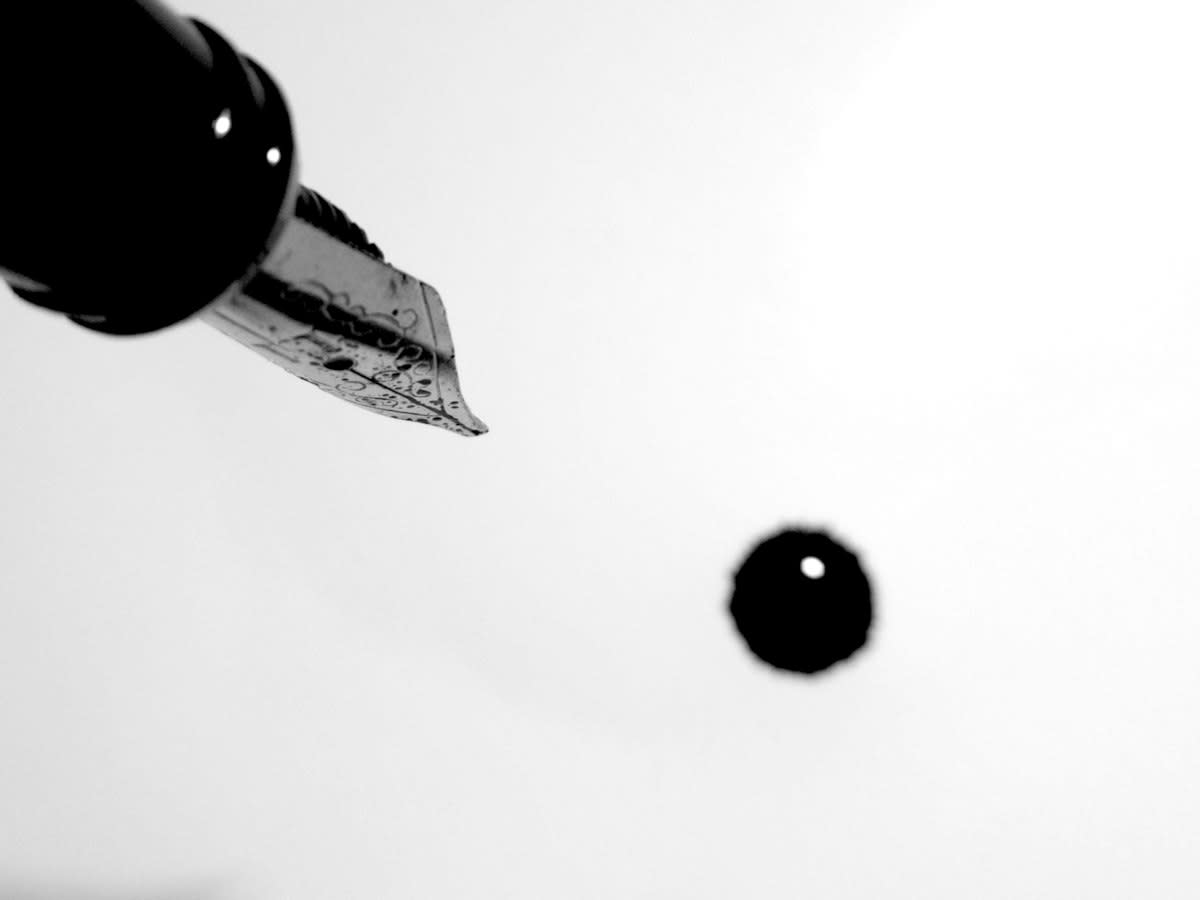
Mumbai defines the scale. The luxury wedding sector in India has almost entirely abandoned digital invites in favor of heavy-gauge cards featuring thermography and gold-leaf ink that requires manual curing. Excess is the message. These invitations often use ink loads that would warp standard paper, requiring custom-milled substrates that cost ten times more than commercial stock (Source: Indian Luxury Wedding Report, 2023). The smudge is the signature of the elite.
Seoul fuels the fire. 'Stationery cafes' have proliferated across the city, where Gen Z consumers pay a premium to use high-end inks and papers in a curated environment. Experience is the product. This trend marks a hard turn from the hyper-digitalization of South Korean society, as youth seek a tangible link to their own thoughts (Source: Korea Design Forum, 2023). They are buying the feeling of the drag.
"The tactile return is not a nostalgia trip but a sensory reclamation of the human mark. In a world of perfect pixels, the slight bleed of ink into paper is the only remaining evidence of a human hand."— Elena Rossi, Head of Design at Archivio Materia
The Delta: 2023 vs 2024
The gap widened. In 2023, the return to ink was largely driven by 'digital detox' trends and hobbyist interests among the middle class. Now, 2024 has seen the entry of ultra-high-net-worth individuals treating ink as a collectible asset. Hobbyism became investment. The market for limited-edition ink colors, produced in runs of fewer than 500 bottles, has seen a 22% increase in secondary market value (Source: Global Luxury Goods Index, 2024).
| Metric | 2023 Average | 2024 Average | Delta |
|---|---|---|---|
| Luxury Ink Bottle Price | $25 | $42 | +68% |
| Custom Paper Cost/Sheet | $1.20 | $2.10 | +75% |
| Boutique Ink Search Volume | 1.2M | 2.8M | +133% |
Price is the filter. When a single bottle of specialty ink from a boutique studio costs more than a monthly software subscription, the act of writing becomes a performance of wealth. Status lives in the smudge. This shift suggests that ink is no longer a tool for communication but a Veblen good—a product whose demand increases as its price rises because it signals exclusivity.
The Practitioner's Clash
The real clash happens in the press room. Designers demand a deep, saturated midnight blue that requires three passes of ink, while the production lead warns that the paper will warp under the moisture. This technical fight over ink load defines the current high-end market. It is a battle between the visual ideal and the mechanical failure of the medium. The practitioner knows that true luxury ink requires a specific chemical bond with the fiber to prevent the ink from feathering, a process that adds days to the production timeline.
Internal disputes often center on ink-trap geometry. High-end brand managers insist on hairline serifs that the physical ink will inevitably bleed into, creating a blurry mess on cheaper stocks. They argue over microns while the client only sees the color. To solve this, printers must use expensive, high-pigment inks with lower water content, which in turn increases the risk of nozzle clogging in digital presses. It is a constant struggle between the desired aesthetic and the laws of physics.

Fact-Check & Accuracy Note
Academic debates persist regarding the analog revival and its actual market penetration. While some argue it is a niche trend for the elite, others point to the growth of stationery cafes in Seoul as evidence of a broader cultural return to tactility. Data from the FSC (Forest Stewardship Council, 2023) suggests a conflict between the luxury demand for heavy, non-recycled cotton papers and global sustainability mandates.
Materiality is the message. As AI-generated text saturates the digital web, the physical mark of ink becomes the only verifiable proof of human effort. Effort is the new currency. A handwritten note is not valued for its content, but for the time stolen from the writer to produce it. This temporal cost is what the luxury market is actually selling.
The web of influence expands. Luxury fashion houses are now launching their own stationery lines, recognizing that a physical letterhead is a more potent brand extension than an app. They are using the weight of the paper to anchor the brand in reality. This is not a return to the past; it is a strategic move to own the physical terrain in an era of digital volatility.
Ink has won. By becoming expensive, it has become essential for those who wish to be seen as distinct from the digital mass. The smudge is no longer a mistake. It is the mark of a human who can afford the time to let the ink dry.