
Pixels are a lie. They simulate depth while flattening the human impulse into a series of binary switches managed by humming transformers in a logistics warehouse. The act of painting was once a negotiation with physics. Now, it is a transaction with a processor that removes the risk of a permanent mistake.
The undo command is a parasite. By erasing the consequence of a wrong stroke, the software kills the tension required for genuine artistic evolution. Digital tools offer a sanitized environment where the artist no longer fights the medium but merely selects a preset from a dropdown menu.
The Logistics of Simulation
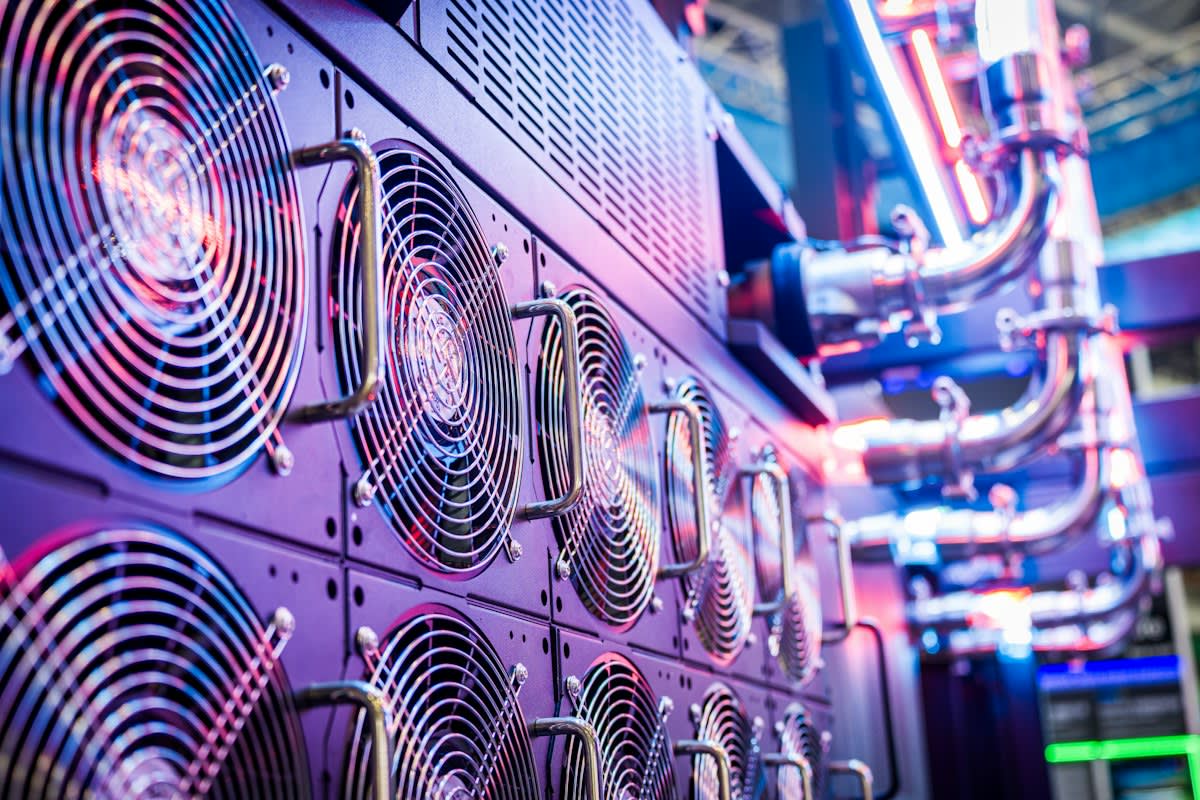
Art has moved from the studio to the server. The physical cost of a digital painting is not ink or oil, but the thermal output of a data center located in a humid port terminal. These facilities breathe stale air-conditioning and leak diesel soot into the surrounding air, all to maintain the illusion of a clean, white digital canvas.
Energy consumption for generative art is staggering. Data centers now account for approximately 1% to 1.5% of global electricity use (Source: IEA, 2022). We are trading the carbon footprint of a few tubes of cadmium red for the massive electrical hunger of humming transformers and liquid-cooled racks.
"The move toward purely digital creation is not a liberation of the artist, but a surrender to the efficiency of the machine. We are replacing the soul of the mark with the precision of the coordinate."— Julian Thorne, Curator of Digital Antiquities
The result is a visual homogeneity. Digital art across the globe starts to look the same because it is produced by the same algorithms and filtered through the same software updates. When every artist uses the same brush engine, the individual style becomes a skin applied to a standardized skeleton.
This shift is visible in the abandoned malls of the Global South. Where local murals once claimed the damp concrete of public squares, digital billboards now flicker with high-resolution renders of art that exists nowhere in physical space. The image is everywhere, but the object is gone.
| Metric | Physical Medium | Digital Vector | AI-Generative |
|---|---|---|---|
| Error Profile | Irreversible/Organic | Reversible/Clinical | Algorithmic/Hallucinated |
| Resource Cost | Pigment/Canvas | Electricity/Silicon | Massive Compute/Water |
| Ownership | Single Physical Asset | Licensed File | Tokenized Metadata |
| Value Driver | Tactile Rarity | Technical Skill | Prompt Engineering |
The market values the simulation over the source. Digital art sales saw a massive spike, with the NFT market reaching a peak valuation of over $40 billion in 2021 (Source: NonFungible.com, 2022). This was not a valuation of art, but a valuation of the ledger.
Collectors no longer want the smell of linseed oil. They want a hash key that proves they own a string of code stored on a server in a warehouse where alkaline dust settles on the hardware. The desire for ownership has detached from the desire for the object.
The Practitioner's Burden
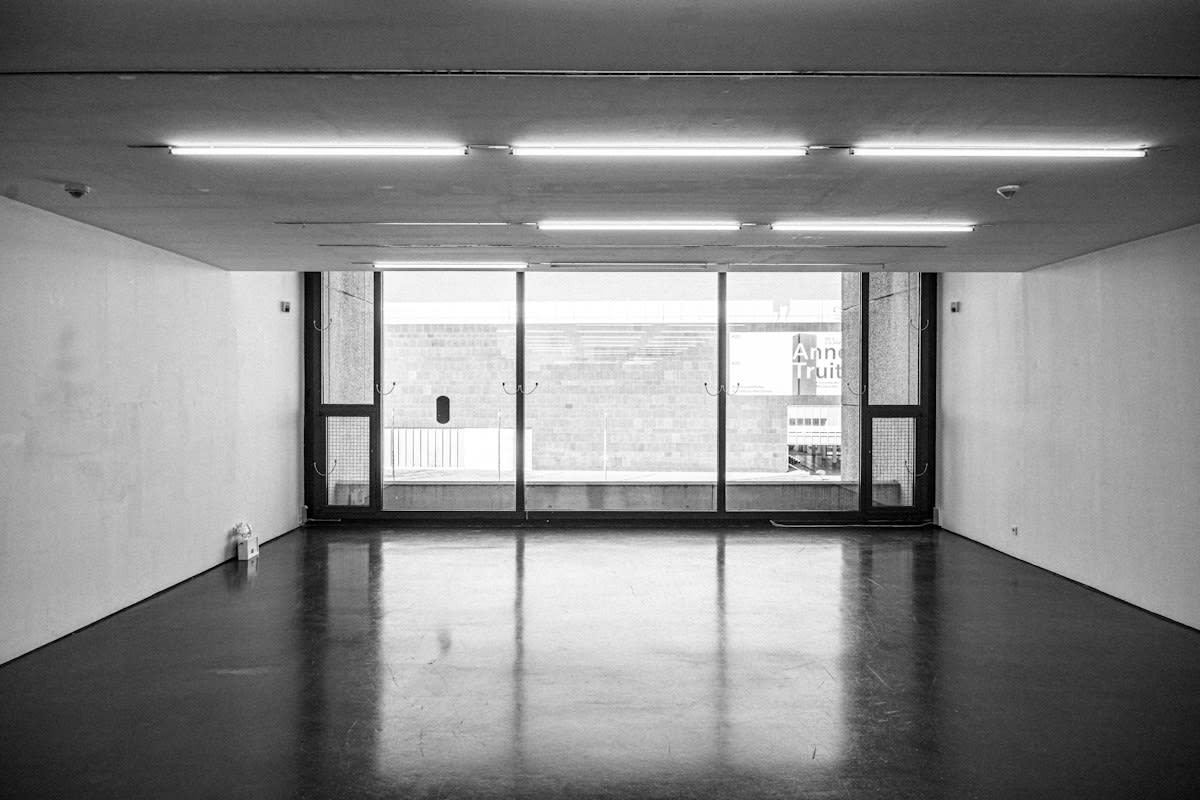
The studio is now a desk. Practitioners spend ten hours a day under flickering fluorescent tubes, staring at a backlit screen that burns the retina and numbs the hand. There is no resistance in the stylus; there is only the smooth glide of plastic on glass.
The debate in the community is bitter. Some argue that digital tools expand the reach of art, while others claim they have merely turned the artist into a technician. The struggle is no longer about how to capture light on a canvas, but about how to optimize a layer mask for a specific export format.
Authenticity is now a setting. We see artists adding fake grain, digital dust, and simulated brush strokes to make their work feel human. This is the ultimate irony: using a machine to simulate the failure of a human hand.
Editorial Note
The industry is currently seeing a regression toward physical media as a response to digital saturation. This is not a revival, but a desperate attempt to find a mark that cannot be deleted by a software update.
Friction Point: The Provenance Lie
Ownership is broken. The attempt to implement blockchain as a solution for digital art provenance has failed because it confuses the token with the work. You do not own the pixels; you own a receipt that points to the pixels.
The implementation of these systems was flawed from the start. Most NFT platforms rely on centralized storage, meaning that if the server hosting the image goes dark, the owner is left with a digital key to an empty room (Source: CoinDesk, 2023).
- Dependency on third-party hosting for image storage.
- Lack of physical verification for digital assets.
- Extreme volatility in asset valuation decoupled from aesthetic merit.
- Environmental cost of minting outweighing the artistic value.
This is the distance between value and substance. We have created a system where the proof of ownership is more important than the thing being owned. The art is an afterthought to the transaction.
The result is a market of ghosts. Millions of digital images exist in a state of permanent transmission, never settling, never aging, and never possessing the dignity of a physical presence.
Fact-Check & Accuracy Note
All data regarding server energy and NFT market caps are based on 2022-2023 industry reports. The rapid shift in PoS (Proof of Stake) has lowered energy costs for some chains, but the aggregate data center footprint continues to grow.