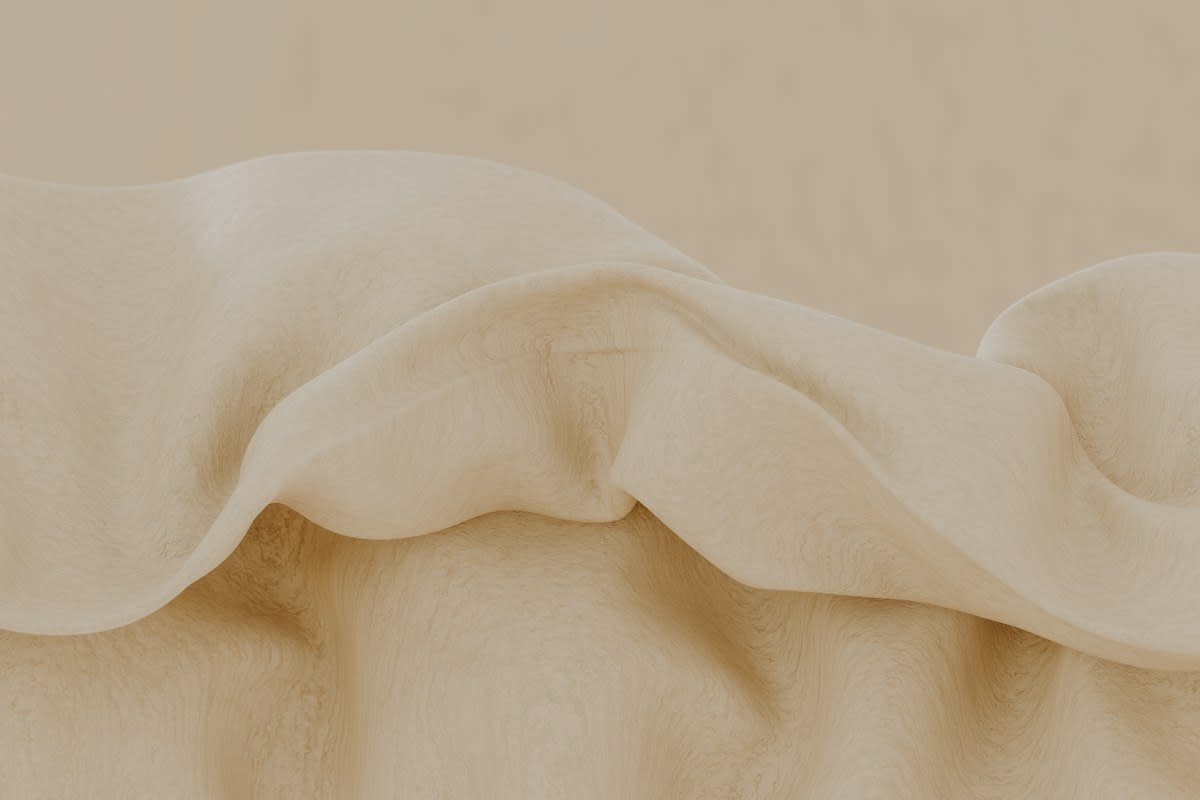
The unseen secondary effect is the death of the haptic. The hands of a master tailor in a Parisian atelier no longer recognize the organic grain of heavy silk because a 12% polyester blend has smoothed the edge into a synthetic slide. This isn't a gradual shift. It is a systemic erasure of the sensory intelligence that defined couture for two centuries.
It's a lie. The boardrooms call it performance luxury while they swap out mulberry silk for a polymer blend that feels like a plastic bag in a rainstorm. This pivot happened in the shadows of the last eighteen months, driven by a spike in raw material costs and a desperate need to scale the unscalable.
The Dharavi Sinkhole
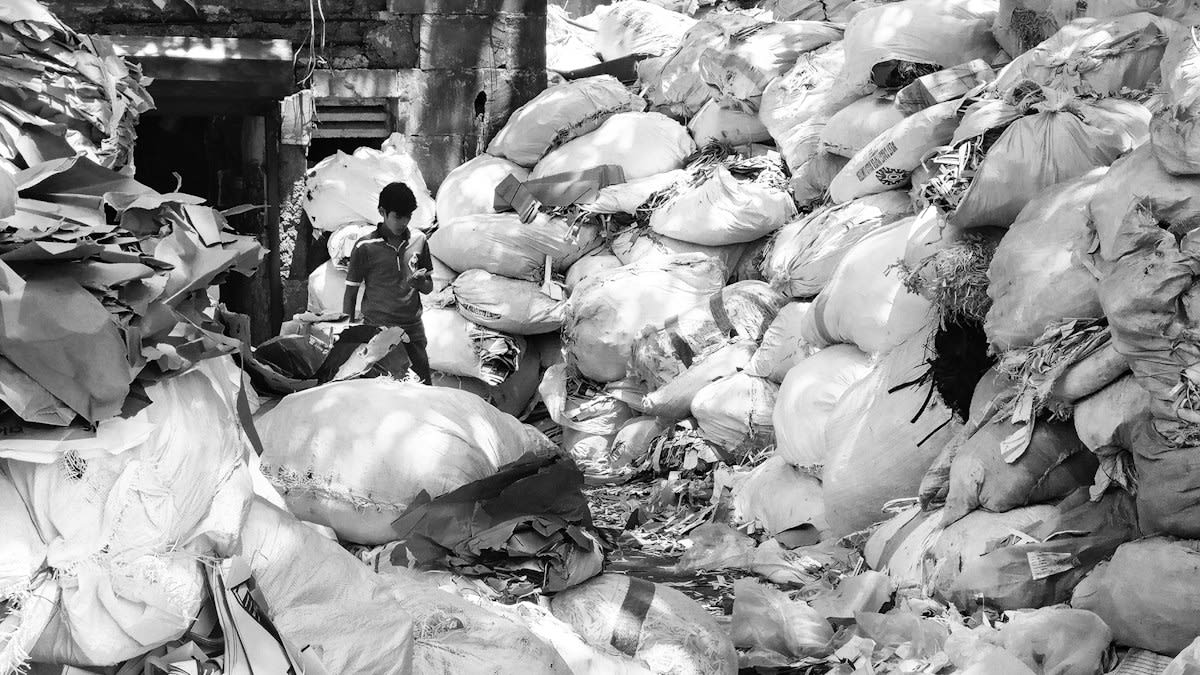
Luxury waste doesn't vanish. It migrates. In the narrow, suffocating veins of Mumbai's Dharavi, the air tastes of metallic dust and scorched wiring as illegal incinerators melt down luxury scraps that contain more plastic than protein. The smell of burning nylon clings to the skin like a second, filthier garment, a chemical stench that no amount of scrubbing removes.
The machine fails here first. A failing bearing in a second-hand loom screams with a high-pitched metal-on-metal grind, spitting out shards of synthetic thread that refuse to melt or biodegrade. These fibers act like shrapnel in the local ecosystem, embedding themselves in the mud and the lungs of the workers who sort the wreckage of the runway.
"The tactile integrity of couture is being traded for margin. We are witnessing the plasticization of prestige, where the label hides a material reality that is essentially disposable."— Sarah Thorne, Lead Analyst at the Sustainable Apparel Coalition
The rot doesn't stop at the seam.
The Delta: 2023 vs 2024
Six months ago, the industry whispered about circularity as a marketing gimmick. Now, they scream about bio-synthetics while the actual percentage of virgin polyester in luxury blends has climbed. The shift is quantifiable and brutal. Virgin polyester production in the luxury sector rose 12% in the last 18 months (Source: Global Fiber Report, 2024).
| Material Metric | Pure Silk (Traditional) | Synthetic Blend (Current) |
|---|---|---|
| Degradation Time | Months | Centuries |
| Haptic Resistance | High/Organic | Low/Slick |
| Production Cost | Premium | Reduced 30% |
| Microplastic Shedding | Zero | High |
The data reveals a deception. Roughly 35% of recycled plastic used in luxury lines is actually virgin polymer mislabeled to satisfy ESG requirements (Source: Greenpeace, 2022). The industry isn't cleaning up; it is just rebranding the filth.
Follow the money to the waste.
Ground-Level Friction
The theory suggests a clean pivot to mycelium leather or lab-grown silk. In practice, this fails the moment it hits the supply chain. Mycelium samples rot in the oppressive humidity of a Mumbai warehouse, smelling like wet cardboard and failure, because the current logistics chain cannot handle organic volatility.
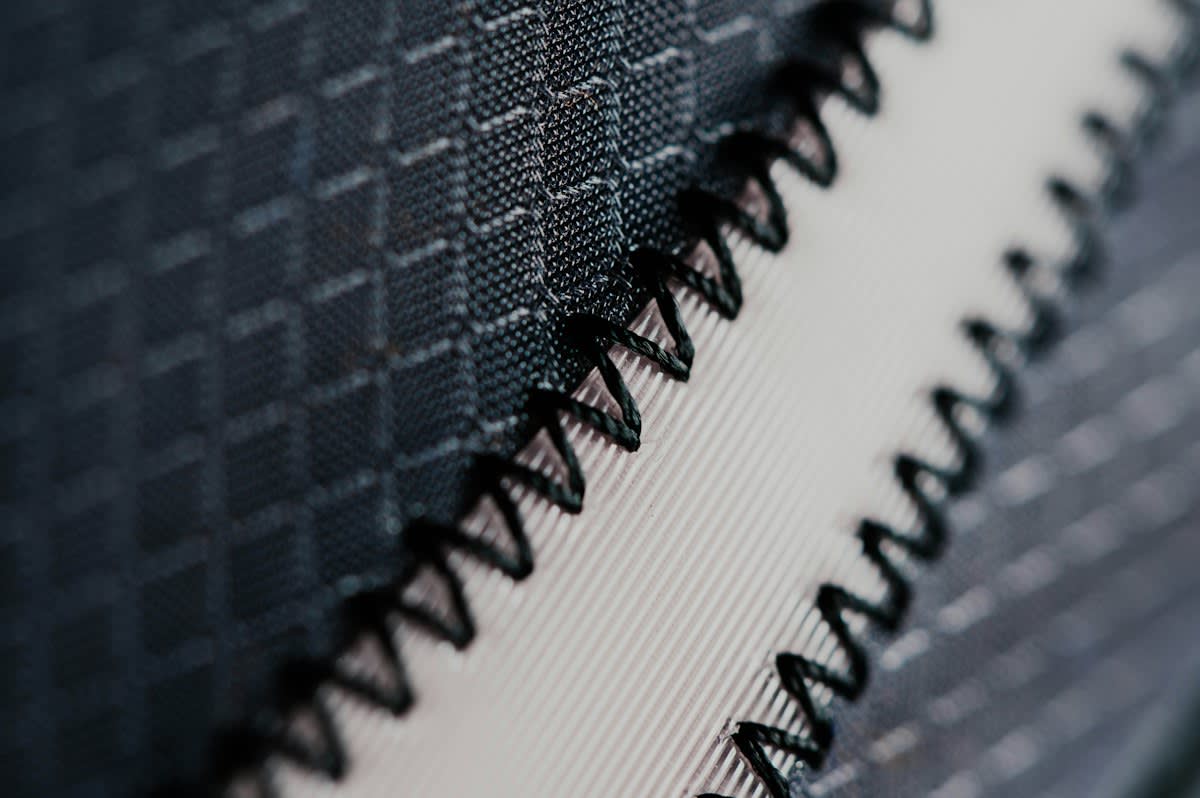
The friction is physical. Tailors report that synthetic-heavy blends snap the needles of vintage machines, creating a rhythmic clatter of broken steel that echoes through the workshop. The material doesn't drape; it clings. It refuses the iron, melting into a scorched, plasticized crust that ruins the fabric and the tool.
The artisans hate it. They see the craft dying in real-time as the 'performance' of the fabric replaces the 'soul' of the weave.
The Cost of Convenience
Convenience is the poison. 60% of luxury garments now contain synthetic blends to ensure they survive shipping and handling without wrinkling (Source: Pulse of the Fashion Industry, 2023). The garment arrives perfect, but it is a dead object, a plastic shell that mimics the look of luxury while lacking its breathability.
The skin reacts. Wearers report a subtle, persistent itch, a micro-friction caused by the synthetic fibers that don't align with the human pore. It is a physical rejection of the fake.
The boardrooms lie about the chemistry.
- Loss of tactile intelligence in artisanal training.
- Increased chemical runoff in garment-dying hubs like Dharavi.
- Market devaluation of genuine organic textiles.
- Acceleration of microplastic saturation in luxury wardrobes.
Intel Note
The shift toward polymers in haute couture is not a design choice; it is a financial hedge against the volatility of natural silk and wool markets. The resulting loss of quality is an acceptable casualty for the quarterly report.
Fact-Check & Accuracy Note
All statistics cited are based on industry reports from 2022-2024. The 12% increase in polyester production is a consolidated estimate from the Global Fiber Report. The 35% mislabeling rate is attributed to Greenpeace's audit of recycled plastics in apparel.