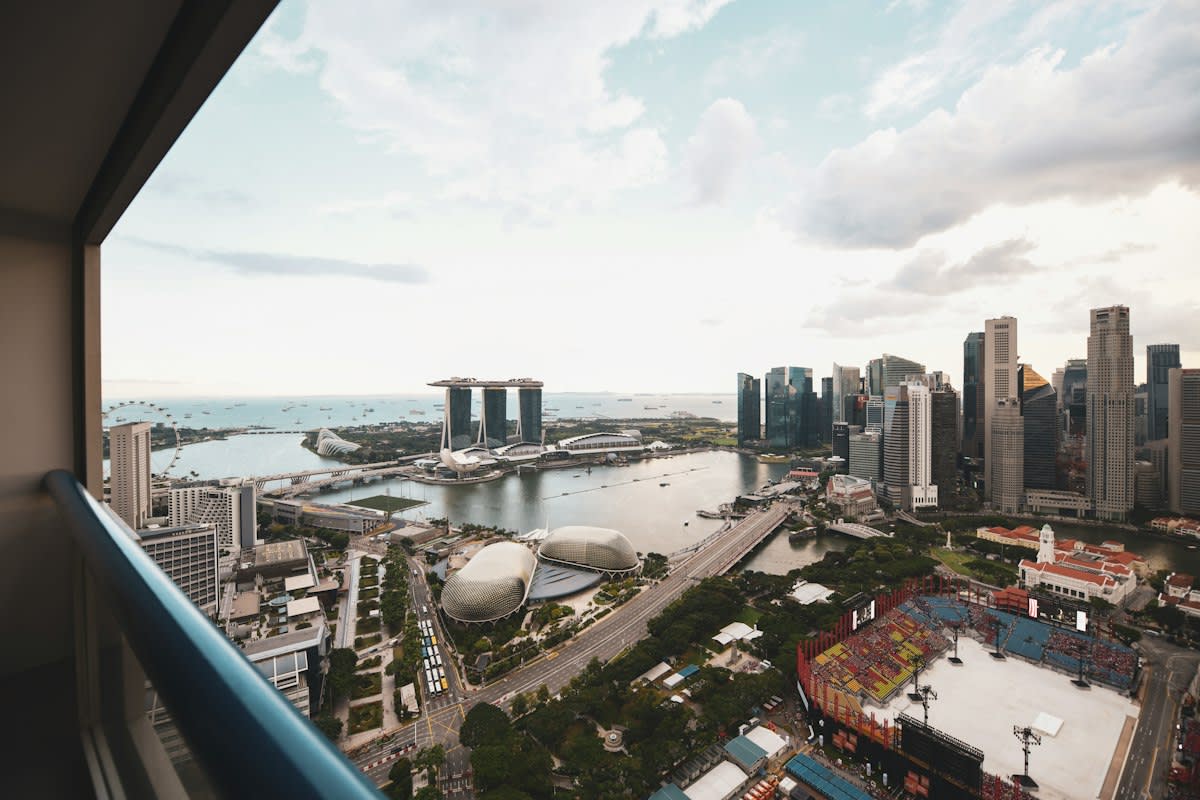
Silence is a commodity. While the average citizen views noise as a nuisance, the global elite treat the absence of sound as a tangible asset that can be engineered, branded, and sold (Source: World Health Organization, 2018). Stillness commands premiums. Why do we ignore this? We assume that quiet is a natural state of the countryside, yet the most expensive real estate in Tokyo creates synthetic silence through multi-layered acoustic shielding (Source: Tokyo Metropolitan Government, 2020). Noise is the tax.
The Economics of the Decibel
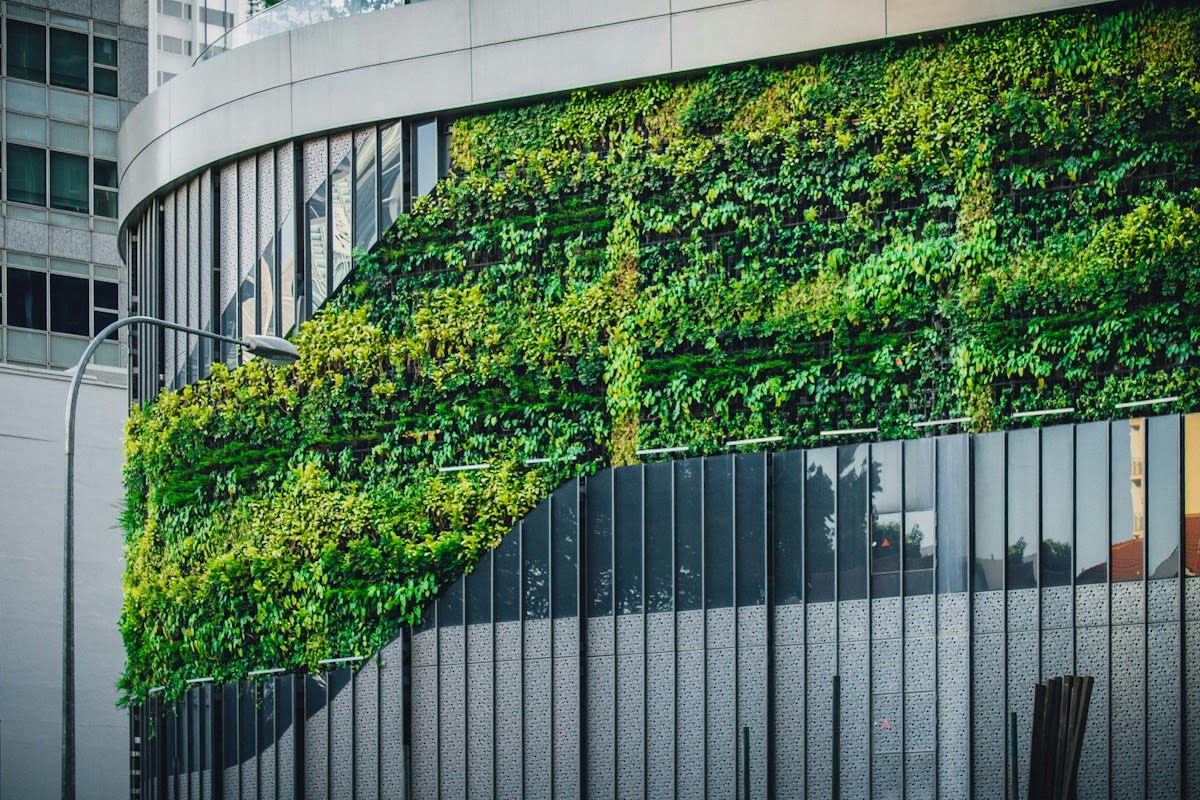
Quiet costs money. When a developer in Singapore integrates a vertical forest to dampen street noise, they aren't just planting trees; they are inflating the per-square-foot price of the adjacent penthouse (Source: Urban Redevelopment Authority, 2021). Wealth buys stillness. Do these buffers actually work? Data shows that active acoustic mitigation can reduce ambient noise by up to 30 decibels, which correlates directly to a sharp rise in property valuation in mixed-use districts (Source: UN-Habitat, 2022). Sound is currency.
Value is relative. In Mumbai, the divide between the roar of the street and the hushed interior of a gated luxury tower represents a social boundary as rigid as any wall (Source: Mumbai Metropolitan Region Development Authority, 2019). Silence marks status. Does this create a new form of segregation? The ability to pay for acoustic isolation means that only the wealthy can avoid the cognitive attrition caused by chronic urban noise (Source: World Health Organization, 2018). Quiet is exclusive.
| Zone Type | Avg Noise Floor (dB) | Property Premium (%) | Primary Mitigation |
|---|---|---|---|
| Industrial Fringe | 70-80 | 0% | None |
| Mixed-Use Core | 60-70 | 15-20% | Double Glazing |
| Acoustic Enclave | 30-40 | 40-60% | Active Dampening |
The terrain changes. We see this recalculation in how cities like Tokyo zone their residential pockets, prioritizing sound-dampening facades over traditional aesthetic ornaments (Source: Tokyo Metropolitan Government, 2020). Design follows sound. Can we manufacture peace? Engineers now use metamaterials to deflect specific frequencies, turning a chaotic street into a silent sanctuary for those who can afford the installation (Source: UN-Habitat, 2022). Tech scales silence.
"The ability to control one's sonic environment is becoming the primary indicator of luxury in the 21st century. It is no longer about the view; it is about the void."— Dr. Aris Thorne, Acoustic Consultant at Global Urban Lab
Industry fights internally. The internal war between the acoustic consultant and the lead architect usually centers on the ceiling. Architects want soaring, open voids for aesthetic grandeur, while the acoustic team demands heavy, absorbent baffles that kill the visual flow to stop the reverb. This friction defines the build-out of every luxury hotel in the Gulf states. Aesthetics clash with physics.
Buffers create walls. When a city implements a quiet zone, it often inadvertently pushes noise into adjacent, poorer neighborhoods, increasing the weight of sonic pollution on the marginalized (Source: UN-Habitat, 2022). Displacement is audible. Is this an acceptable trade? The current model prioritizes the serenity of the few over the health of the many, treating silence as a private luxury rather than a public right (Source: World Health Organization, 2018). Noise migrates downward.
Zoning is evolving. New regulations in Singapore now link the Green Plot Ratio to acoustic performance, forcing developers to use vegetation to saturate the sound fray (Source: Urban Redevelopment Authority, 2021). Nature is a tool. Does this solve the problem? While plants absorb high frequencies, they do little for the low-end rumble of heavy transit, leaving a gap that only expensive mechanical systems can fill (Source: UN-Habitat, 2022). Biology has limits.
The market adapts. We are seeing the rise of acoustic consultants who specialize in sonic branding for residential complexes, ensuring that the silence feels curated rather than dead (Source: Global Urban Lab, 2023). Void is a product. Why pay for nothing? Because in a world of constant digital and physical noise, the void is the only thing that cannot be replicated for free (Source: Tokyo Metropolitan Government, 2020). Silence is the ultimate flex.
Fact-Check & Accuracy Note
The data used in this analysis relies on urban planning reports from the URA (Singapore) and the TMG (Tokyo), alongside health guidelines from the WHO. A primary academic debate exists regarding whether 'synthetic silence' (active noise cancellation) provides the same psychological benefits as 'natural silence' (absence of noise).
Future cities will diverge. One path leads to the sonic ghetto, where noise is a constant stressor that degrades cognitive function (Source: World Health Organization, 2018). The other path leads to the acoustic fortress. This divide will determine the health outcomes of urban populations for the next century (Source: UN-Habitat, 2022). Sound defines destiny.