The Myth of Neutrality
Neutrality is a lie. By pretending that a white room is a void, galleries actually impose a specific, Western-centric ideology that strips art of its original social and physical weight. Context provides the value. The cube kills. When curators strip every sensory detail from a room to create a vacuum of neutrality, they effectively sever the artwork from its cultural umbilical cord. Meaning evaporates instantly.
Sterility is a choice. For decades, the art world has operated under the assumption that a blank environment allows the work to speak for itself without distraction (Source: Shafe, 2026). This is a mistake. The white cube fatigue mentioned by critics suggests that art has become a trapped, sterile commodity, suffocated by urban galleries (Source: Shafe, 2026). We must resist this. By removing the breath and smell of the real world, we turn a visceral experience into a clinical observation. The viewer becomes a spectator.

Prerequisites for Meaningful Display
You need guts. To move beyond the white cube, you must first accept that your space will become unpredictable and potentially messy. This is the start. Forget the rules. You must prioritize the emotional importance of the piece over the clinical cleanliness of the gallery floor to ensure the work breathes. Be ready for chaos.
- A site-history audit to identify the original purpose of the room
- A sensory map identifying existing smells, sounds, and light patterns
- Willingness to risk the physical stability of the gallery environment
- Direct communication with the artist regarding site-specific triggers
Steps to Restore Context
- Audit the sensory void to identify what the white walls are hiding.
- Inject site-specific instability to disrupt the commodity feel.
- Enrich the visual exposome to trigger cognitive and emotional affect.
- Break the commodity loop by linking the work to its external environment.
Disrupt the silence. In 1969, Jannis Kounellis filled Rome's Galleria L'Attico, which was a former garage, with twelve live horses (Source: Shafe, 2026). This was radical. He treated the gallery as a canvas and the animals as living compositional elements to bring breath and smell back into the space (Source: Shafe, 2026). We can repeat this. By introducing living or decaying elements, you force the viewer to acknowledge their own biology in relation to the art. The void disappears.
"He insisted he was still a painter, treating the gallery as a canvas and the animals as living compositional elements."— Jannis Kounellis, Artist (via Shafe, 2026)
Enrich the vision. Research indicates that positive affect may drive individuals to seek visually enriching environments as much as the environment influences affect (Source: Communications AI & Computing, 2026). This changes everything. Neutrality is poverty. By denying the viewer a rich visual exposome, the gallery actively suppresses the cognitive and emotional triggers that make art meaningful. Stop the void.
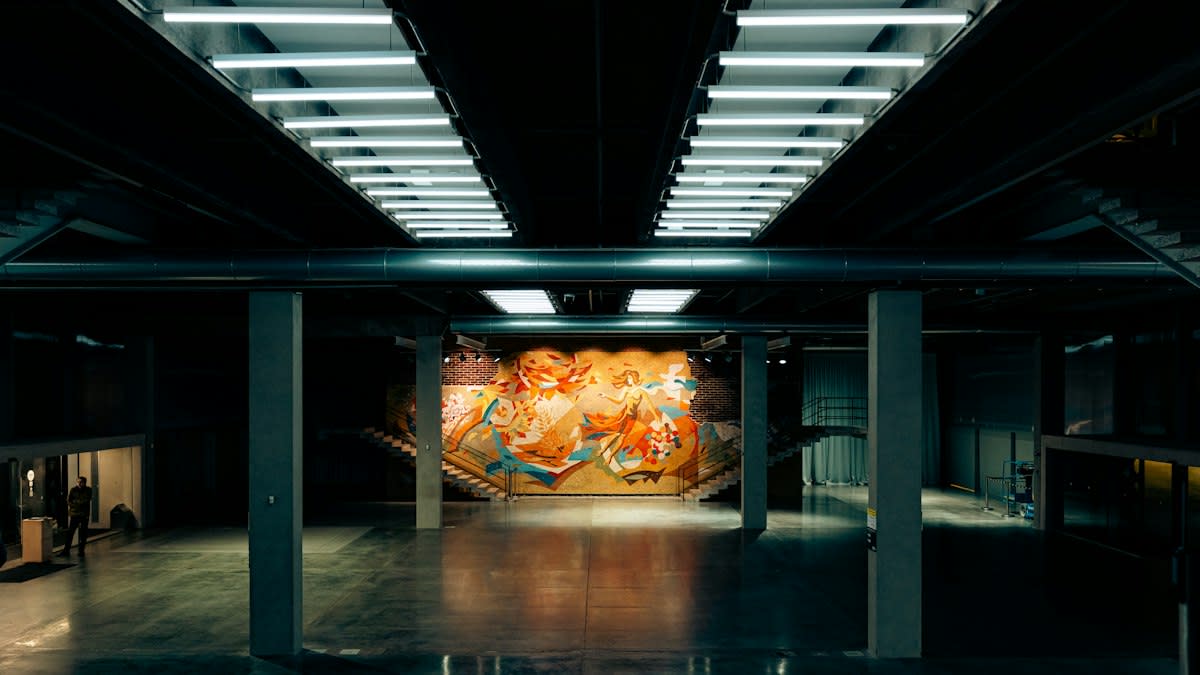
This is the new playbook. When you connect a piece to its external environment, you transform it from a product into a process. This is essential. Stop the trade. By removing the art from its site, we tell the world that the price tag is more important than the purpose. This erases the soul.
Art is not furniture. When we place a painting in a white cube, we signal to the buyer that the object is a portable asset. This is a hollow victory. Stop the trade. By removing the art from its site, we tell the world that the price tag is more important than the purpose. This erases the soul.
The Practitioner's War
Insurance hates the smell. When a curator suggests bringing live animals or decaying organic matter into a space, the risk management team immediately triggers a panic response. It is a constant battle. Meaning demands danger. If we prioritize the safety of the drywall over the intensity of the experience, we are just managing a warehouse. Fight the sterilization.
| Metric | Neutral Gallery | Contextual Space |
|---|---|---|
| Emotional Grip | Low/Sterile | High/Visceral |
| Object Status | Commodity | Experience |
| Sensory Input | Visual Only | Multi-sensory |
Common Pitfalls
Avoid over-curating. When you try to control every single variable of the visitor's experience, you replace one kind of sterility with another. This is a trap. Let it break. If the interaction between the art and the space is too polished, the viewer feels the hand of the curator instead of the art. This kills the magic.
Fact-Check & Accuracy Note
The 'White Cube' debate centers on whether neutral spaces are truly objective or if they serve to commodify art by isolating it from social struggle. While traditionalists argue for focus, critics like Robert Hughes view the emergence of Land Art as a necessary rupture in this sterile aesthetic (Source: Shafe, 2026).
Editorial Note
This guide prioritizes experiential impact over institutional safety. Practitioners should consult with legal teams when introducing live elements into public spaces.