Saffron pixels redefine heritage. 195,000 dollars in grants now fund the recovery of Himalayan art (Source: Rubin Museum, 2026). This financial injection represents a shift in how the world views the preservation of fragile cultures. No longer is the goal simply to lock items in a climate-controlled room. Instead, the focus has shifted toward creating searchable, open-access web applications that allow practitioners and researchers to interact with materials from any location. This movement treats data as a living entity rather than a static relic.
The movement toward digital reclamation is driven by the inherent instability of organic media. Palm-leaf manuscripts and miniature paintings are prone to decay, insect damage, and environmental degradation. By converting these into high-definition digital assets, institutions ensure that the knowledge survives even if the physical object perishes. This is not merely a backup process but a method of democratization, removing the gatekeepers who previously controlled access to rare manuscripts.
The Himalayan Digital Frontier
Recent initiatives in the Himalayan region highlight the intersection of corporate funding and academic rigor. The Rubin Museum of Himalayan Art has selected 13 recipients for its 2026 grants to support the living traditions of these regions (Source: Rubin Museum, 2026). Among these is the Sakya Research Centre, which is currently documenting an overlooked genre of miniature illuminations. These illuminations, found in non-canonical literature, depict Buddhist deities and saintly teachers, and the goal is to create a representative archive accessible via a searchable web application (Source: Rubin Museum, 2026).
"This year’s grantees demonstrate the many ways artists and researchers are preserving, studying, and reimagining Himalayan art, with a particular focus on Tibetan art."— Jorrit Britschgi, Executive Director at the Rubin Museum
Parallel to these academic efforts, corporate entities are entering the preservation space. Royal Enfield has worked to digitally preserve over 150 Himalayan cultural heritage practices through open-access platforms (Source: LinkedIn). This indicates a trend where brands leverage their geographic ties to fund the documentation of local customs. By using open-access platforms, these practices are no longer hidden in remote villages but are available for global study, altering the power dynamic between the observer and the observed.
The methodology for these Himalayan projects often involves on-site digitization to prevent the risk of transporting fragile items. The International Campaign for Tibet (ICT) utilizes local partners to digitize texts on site, ensuring that manuscripts do not need to be moved (Source: Facebook, 2026). This tactical approach minimizes the risk of theft or accidental damage during transit. It also empowers local communities by keeping the physical artifacts in their original cultural context while sharing the digital scan globally.
Decoding the Mathematical Past
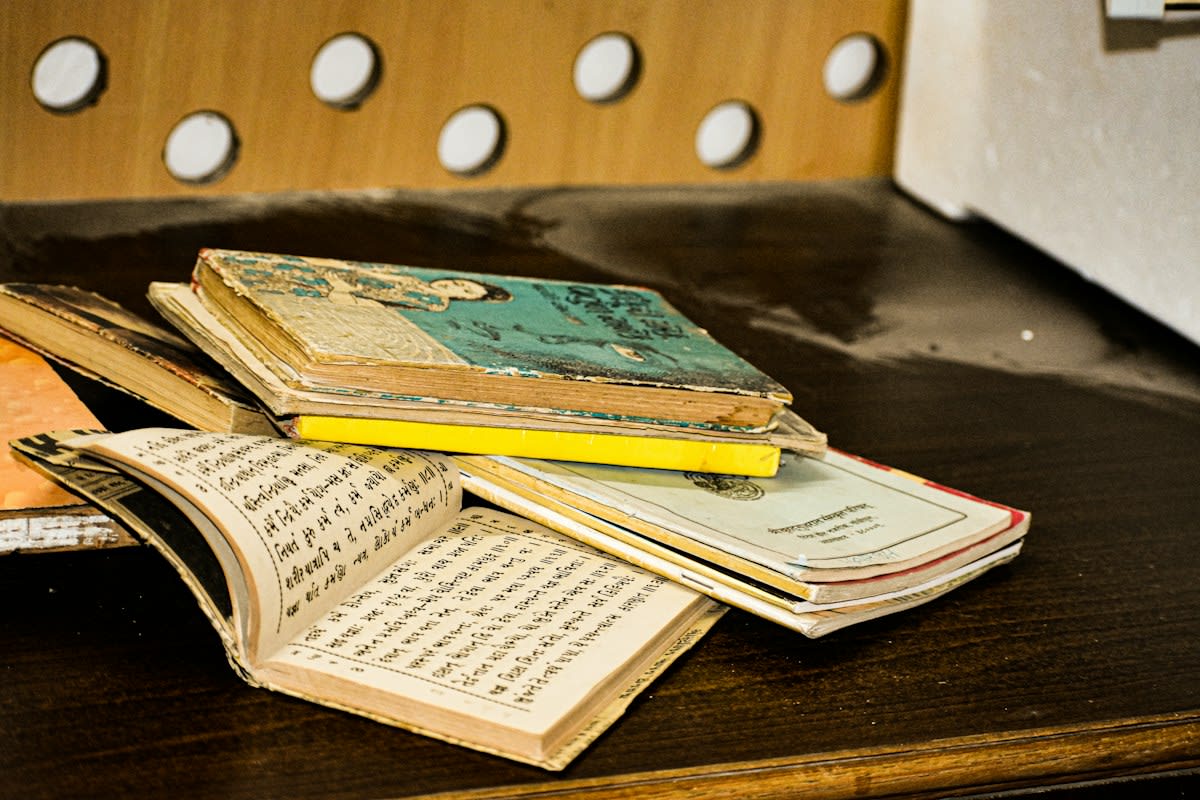
In Sri Lanka, the recovery of ancient mathematical heritage has moved from the monastery to the server. Scholars have scoured stone inscriptions, coins, and monastic palm leaves to document the Sinhala Illakkam symbols, which were gradually replaced by the Indo-Arabic system from the 16th century onwards (Source: Senevirathne, 2018, via LankaWeb, 2026). This effort is not just about history but about the technical integration of lost numeric scripts into modern digital standards like Unicode (Source: LankaWeb, 2026).
The integration of AI tools into this process marks a significant shift in linguistic research. By using AI to analyze digitized palm-leaf materials, researchers can identify patterns and symbols that would take a human lifetime to decode (Source: LankaWeb, 2026). This allows for a faster reconstruction of ancient irrigation engineering and mathematical theories. The transition to Unicode ensures that these symbols can be typed, searched, and archived in any modern operating system, effectively bringing a dead script back to life.
The reason for this shift is simple: accessibility. When a script is not digitized, it remains the exclusive domain of a few specialists. Once it is integrated into Unicode, it becomes a tool for any student or researcher with an internet connection. This move from the physical leaf to the digital pixel removes the geographical and social barriers to knowledge, making the mathematical achievements of the past a shared global resource.
| Initiative | Focus | Methodology | Scale/Funding |
|---|---|---|---|
| Rubin Grants | Himalayan Art | Research Grants | $195,000 (Source: Rubin Museum, 2026) |
| Royal Enfield | Himalayan Practices | Open-access platforms | 150+ practices (Source: LinkedIn) |
| National Museum | Miniature Paintings | Robotic cameras/ML | Several hundred works (Source: Chronicle India, 2026) |
| Sri Lankan Research | Ancient Mathematics | Unicode/AI tools | Palm-leaf manuscripts (Source: LankaWeb, 2026) |
The Precision of Robotic Archiving
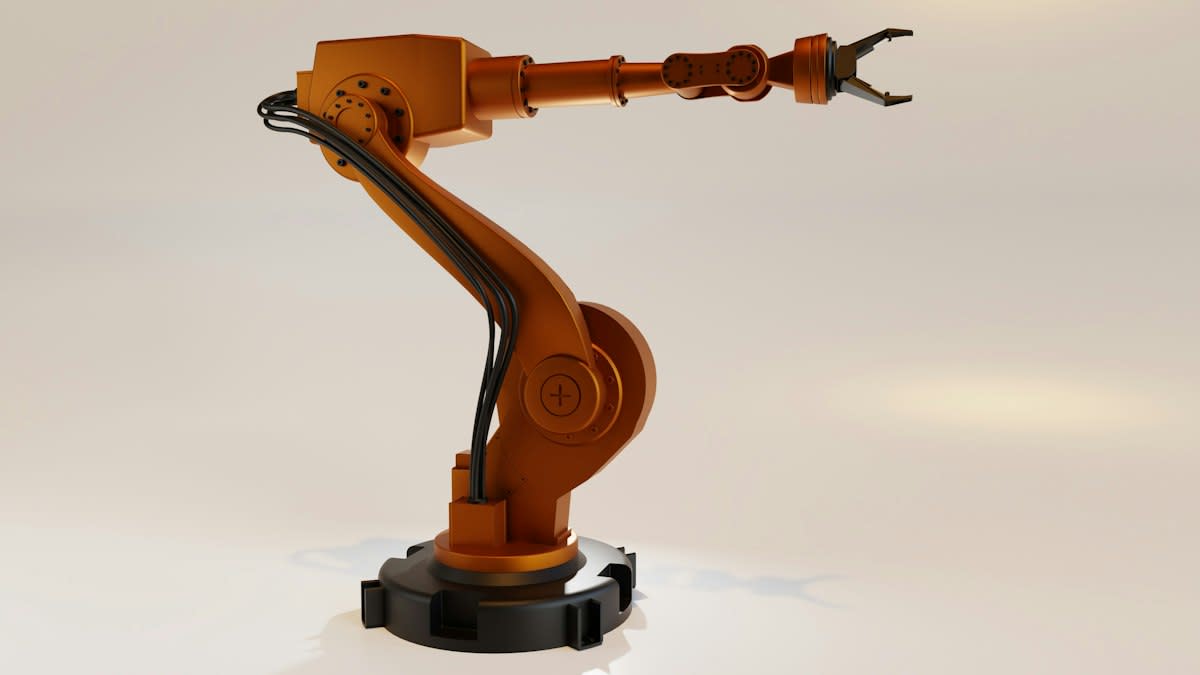
The National Museum in New Delhi is pushing the boundaries of visual preservation through the Life in Miniature project. By partnering with Google Arts & Culture, the museum has made several hundred miniature paintings available online (Source: Chronicle India, 2026). This project does not rely on standard photography but employs high-definition robotic cameras to capture detail that is invisible to the naked eye. These robotic systems provide a level of consistency and precision that prevents the distortion often found in manual scanning.
Beyond the imagery, the project integrates machine learning and augmented reality to provide a deeper understanding of the artworks (Source: Chronicle India, 2026). Machine learning can identify recurring motifs across different paintings, while augmented reality allows users to experience the art in a three-dimensional space. This shift converts a passive viewing experience into an active exploration, allowing the user to zoom into a single brushstroke of a 17th-century painting.
In a neon-blurred studio in Mumbai, the friction between a traditional archivist and a data scientist becomes evident. The archivist worries about the loss of the palm leaf's physical scent and texture, while the scientist argues that a high-resolution scan is the only way to save the data from rot. They argue over whether a Unicode character can truly capture the spiritual intent of a 16th-century numeric symbol. This tension defines the current era of digital reclamation, where the tactile is sacrificed for the eternal.
Failure Points in Digital Recovery
The primary failure point in these initiatives is the Context Gap. When a miniature painting is stripped from its physical gallery and placed on a screen, the spatial relationship between works is lost. The painting no longer exists as part of a physical narrative but as an isolated file. Furthermore, the reliance on AI tools for analyzing digitized materials can lead to algorithmic bias, where the machine misinterprets a unique script as a known character, effectively erasing the very nuance the project sought to save.
Another risk is digital obsolescence. While palm leaves can last centuries if kept dry, digital files are subject to format decay. A file created in 2026 may be unreadable by 2050 if the software is not continuously updated. This creates a paradox where the effort to save the art from physical decay exposes it to a new form of digital fragility. Without a rigorous plan for data migration, the saffron pixels of today could become the corrupted files of tomorrow.
Fact-Check Note
FACT-CHECK: All funding figures and project counts are based on 2026 reports. The Rubin Museum grant total of $195,000 is confirmed for the 2026 cycle. The 150+ Himalayan practices preserved by Royal Enfield are documented via their open-access partnership with the Wikimedia Foundation.
Editorial Note
EDITORIAL NOTE: This report focuses on the 'Why' of the digital shift. The transition from curation to accessibility is not without risk, particularly regarding the loss of tactile context and the potential for algorithmic misinterpretation of ancient scripts.