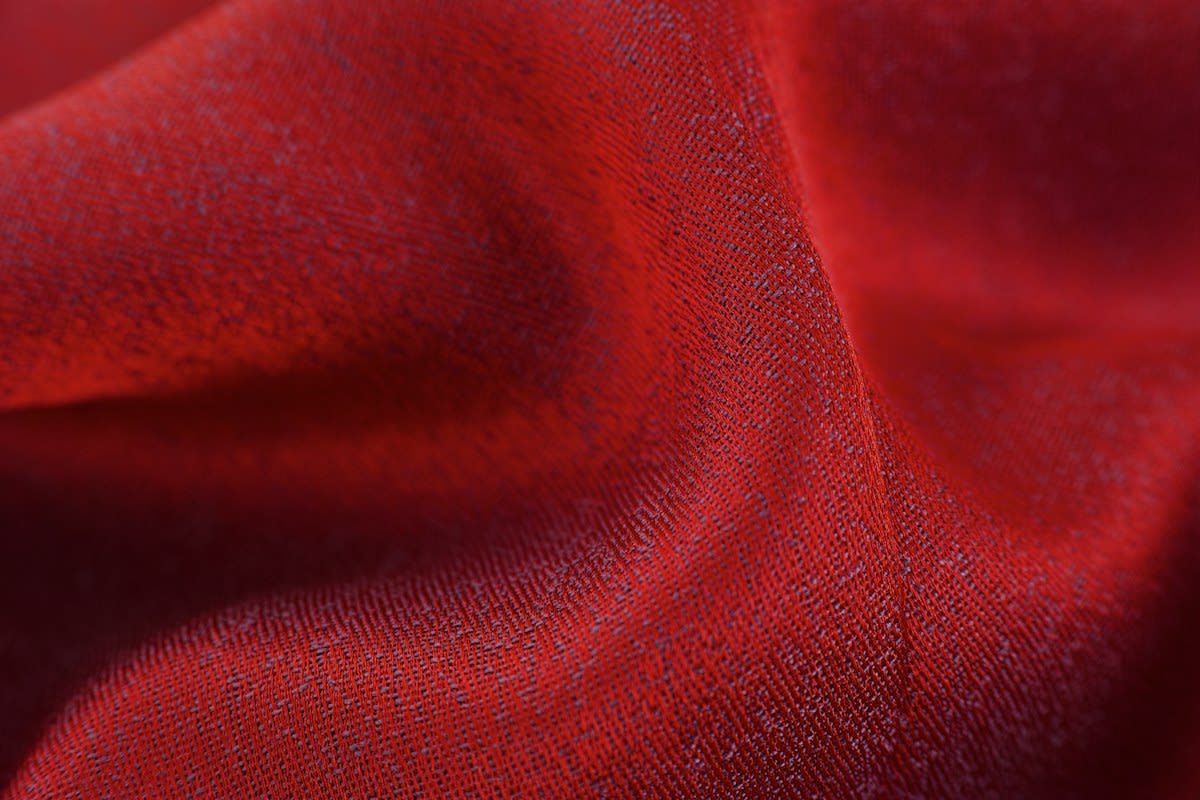
Silk defines luxury. 2700 BCE marks the start (Source: Preceden, 2026). Empress Leizu began the process. China guarded these secrets for centuries. They hid silkworm cultivation. They hid reeling techniques. This was a state monopoly.
Control slipped over time. 500 AD to 700 AD saw techniques reach Byzantium (Source: Preceden, 2026). Greece and Syria became new hubs. This broke the East Asian grip. Japan adopted the craft between 700 AD and 900 AD (Source: Preceden, 2026). The Silk Roads moved more than fabric. They moved ideas and religions.
The Industrial Standard
Modern markets demand metrics. 22 Momme Grade 6A silk is the current benchmark for quality (Source: Hotqilintech, 2026). This grade balances durability and a soft feel. Machine-washable longevity is the selling point. Consumers no longer want the fragility of ancient weaves. They want standardized performance.
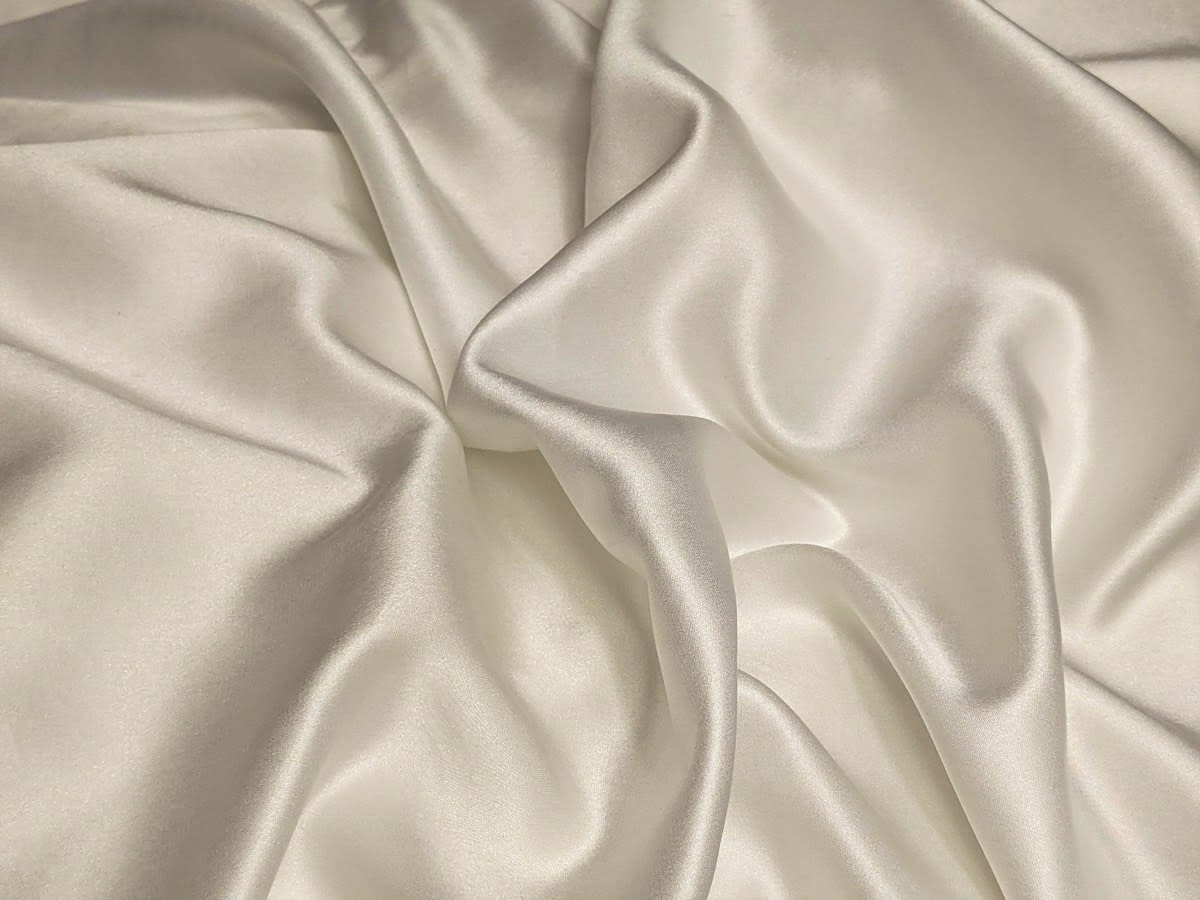
Standardization removes the mystery. The 22 Momme weight ensures the fabric does not tear under pressure (Source: Hotqilintech, 2026). This industrialization creates a predictable product. It removes the variance found in wild harvests. It turns a craft into a commodity.
Market dynamics are changing. Six months ago, the focus was purely on these industrial grades. Now, a move toward wild silk is gaining traction. This change prioritizes the source over the spec.
The Wild Delta
Madagascar is the new frontier. Farmers there use a shared sericulture program (Source: CPALI, Current). They rear wild silkworms like Antherina suraka. This is not the domesticated model of ancient China. It is regenerative agroforestry. Farmers plant native host trees on deforested lands.
Process differs from the norm. Baskets house the non-domesticated worms (Source: CPALI, Current). These worms spin cocoons in the wild. Artisans collect empty cocoons. They iron them flat. They sew them into non-spun textiles.
"100% of @tananasilk proceeds are returned to support Malagasy artisans and farmers."— Tanana Madagascar, Social Enterprise
This model rejects the industrial chain. It connects fair markets directly to the forest. The non-spun nature of the fabric creates a different texture. It is not the slick surface of Grade 6A silk. It is raw and organic.
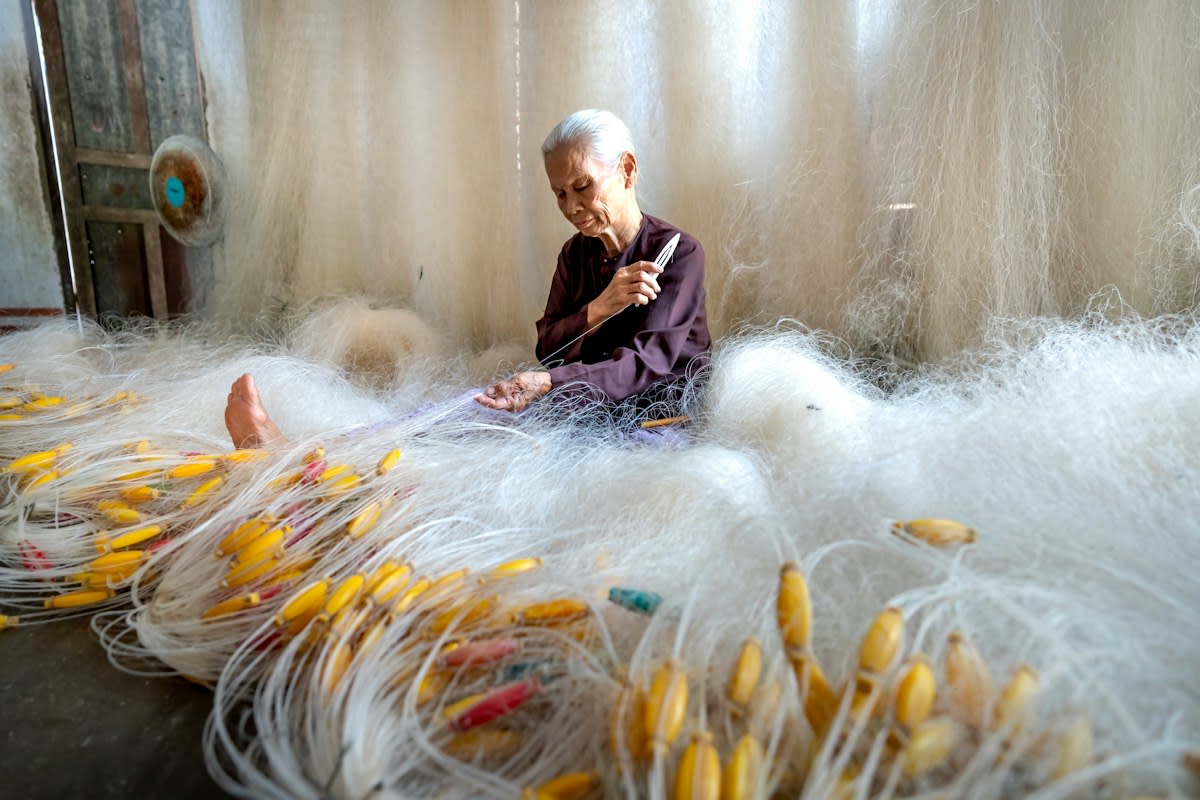
Economic impacts are immediate. The CPALI program focuses on wildlife-friendly textiles (Source: CPALI, Current). This protects national parks. It provides income to women. It replaces deforestation with host vines and understory plants.
The delta is clear. We moved from state-guarded secrets in 2700 BCE to mass-produced 22 Momme silk in 2026, and now to regenerative wild silk. The value is moving from the fiber's purity to the fiber's origin.
Practitioner Friction
Textile buyers in Dhaka face a real conflict. They must choose between the efficiency of industrial silk and the ethics of wild silk. The industrial route is fast. The wild route is slow. Non-spun textiles do not behave like traditional weaves. They require different sewing techniques.
Sourcing creates stress. Grade 6A silk arrives in bulk (Source: Hotqilintech, 2026). Wild silk arrives in small, artisanal batches (Source: CPALI, Current). This makes scaling impossible. The friction lies in the clash between luxury speed and ecological pace.
| Era | Model | Primary Goal | Key Source |
|---|---|---|---|
| Ancient | Imperial Monopoly | Secrecy | China (2700 BCE) |
| Modern | Industrial Grade | Standardization | Hotqilintech (2026) |
| Current | Regenerative Wild | Conservation | CPALI/Madagascar |
The risk remains high. Wild silk depends on native host trees. If the forests vanish, the Antherina suraka vanishes. This is a fragile economy. It cannot compete with the machine-washable scale of 22 Momme silk.
Failure Point
The primary failure point is the scalability of non-spun textiles. While Grade 6A silk is durable and machine-washable (Source: Hotqilintech, 2026), wild silk is tied to seasonal, non-domesticated cycles. A single drought in Madagascar could wipe out the annual yield. This makes wild silk a luxury of risk, not a reliable commodity.
Fact-Check Note
Fact-Check: The 22 Momme Grade 6A designation refers to the weight and quality of the silk protein fibers. This is a standardized industrial measurement, not a biological trait of the silkworm. (Source: Hotqilintech, 2026).
Editorial Note
Editorial Note: This report relies on a mix of historical timelines and current social enterprise data. The delta between imperial secrecy and regenerative transparency highlights a move toward ethical sourcing in the Arts and Design sector.