Audio Architecture
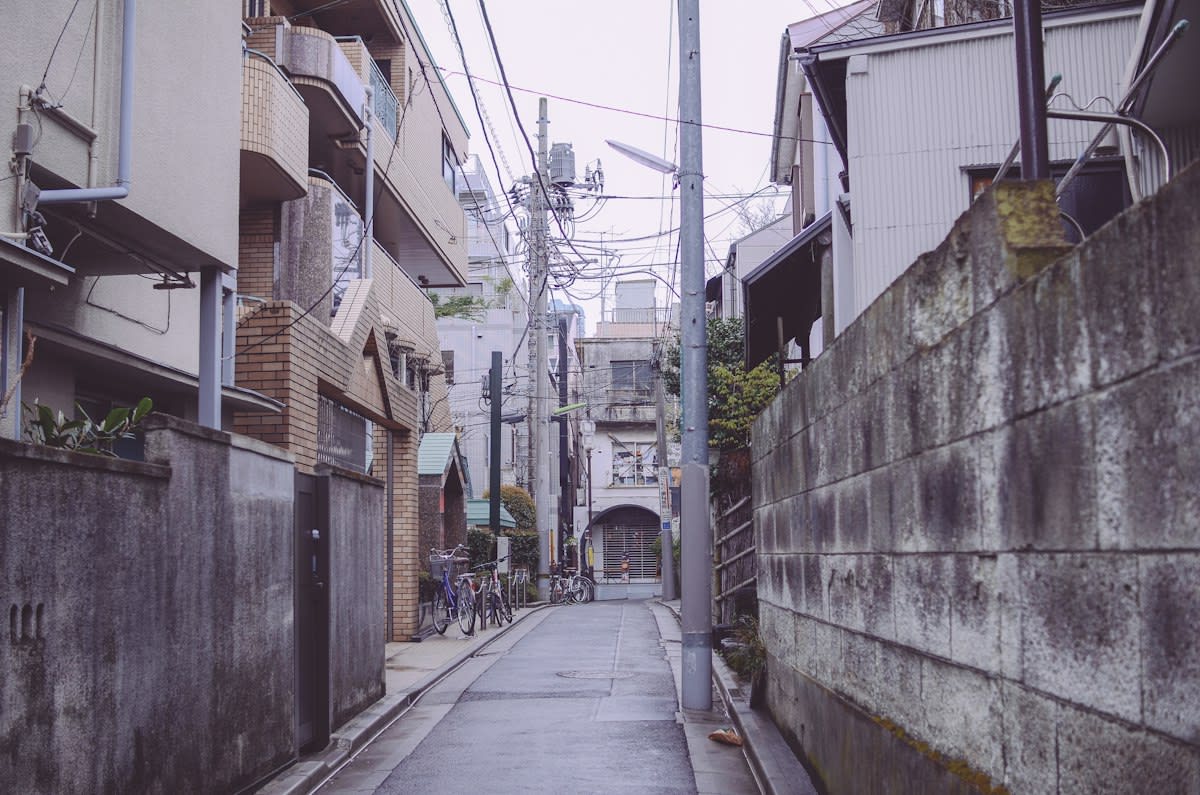
Shimokitazawa soundscapes redefine presence. 4,500 yen marks the entry cost for participants (Source: Noproscenium, 2026). DaisyDoze designed this liminal tour to guide visitors away from street festivals toward hidden landmarks (Source: Noproscenium, 2026). It operates near Shimokitazawa Station between September 19 and October 4, 2026. This event represents a move toward art that exists as a spatialized experience rather than a fixed object.
DaisyDoze Creative Director Kaori Kondo and Artistic Director Yui Takeshima lead the project. Their work involves a disembodied voice provided by actor Masanari Sasaki, which delivers evocative power to the narrative. This audio guidance steers the experiencer through a world inhabited by the spirits of cats (Source: Noproscenium, 2026). The tour uses the physical environment of the district to ground its digital storytelling. Participants move through winding streets rich with history to encounter these auditory spirits.
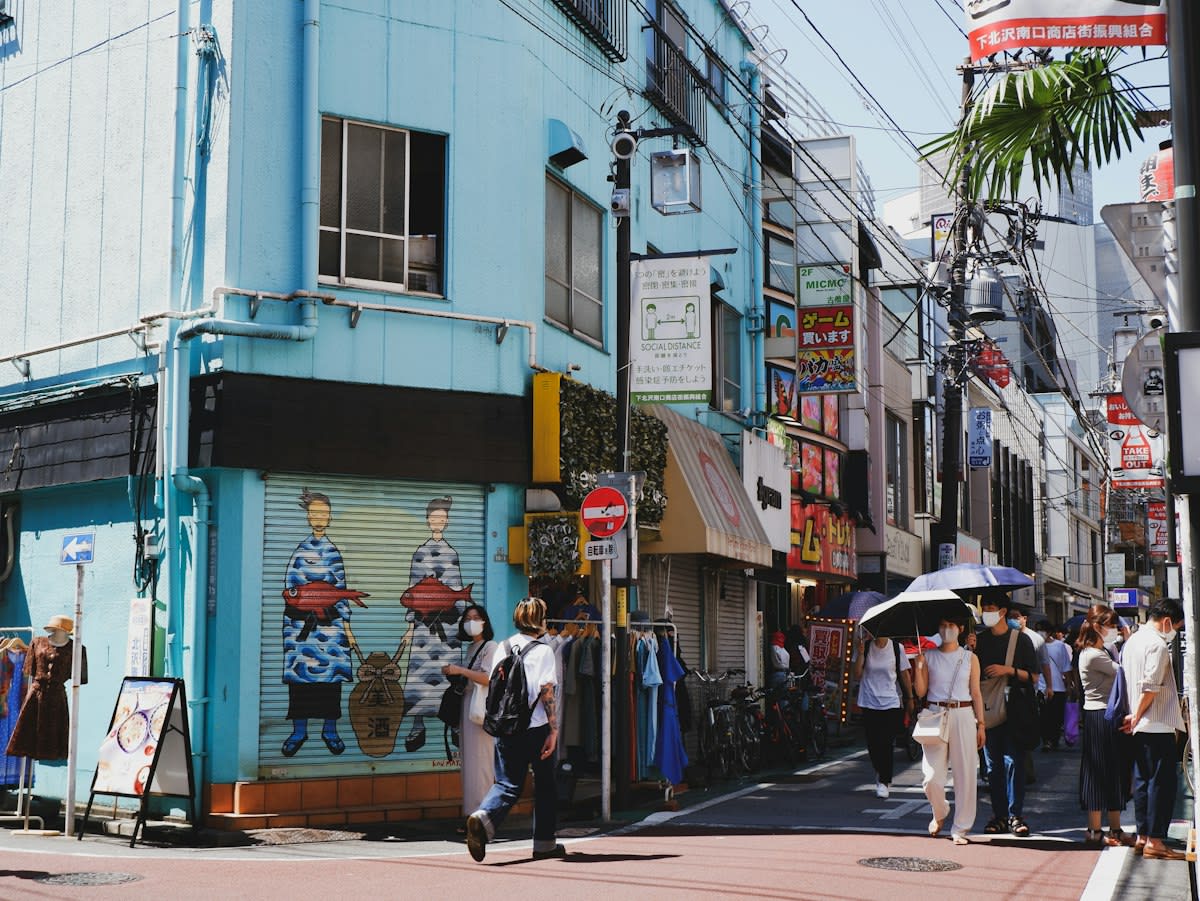
3-D soundscaped narration evokes a world hidden to ordinary senses (Source: Noproscenium, 2026). This methodology moves beyond simple recording by emphasizing what people perceive rather than what an instrument records (Source: HEAD acoustics, 2026). Such spatial design turns passive viewing into a shared sensory journey. This approach is evident in the Prado Museum's virtual tour, which expands classic canvases into virtual environments (Source: Designboom, 2026). It creates a combination of historical accuracy and digital innovation.
"The experience combines original storytelling, meticulous spatial design, and immersive soundscapes, turning passive viewing into an intimate, shared sensory journey."— Alejandro Vergara, Head of Conservation of Flemish Painting and Northern Schools at the Museo del Prado
Audio triggers must be timed to the millisecond to maintain the liminal effect. This precision prevents the user from feeling the disconnect between the physical street and the digital voice. The experience relies on the user's movement to unlock new layers of the narrative. By combining 3D audio with physical walking, the project removes the wall between the observer and the art. This method creates a new way of interacting with urban history.
Spatiality Scales Globally
5 Prado masterpieces were transported via virtual tour to Brooklyn, following previous runs in Tokyo and Shanghai (Source: Designboom, 2026). This project expands the portfolio of immersive spatial environments, which now includes the Grand Egyptian Museum and New York's Hip Hop Museum (Source: Designboom, 2026). The delta between this and previous curation is the move from static observation to active exploration. Where a viewer once stood before a painting, they now inhabit the painting's spatial logic. This change is reflected in the curated archives used to balance history with innovation.
2002 marked the establishment of the first HEAD acoustics subsidiary in Japan (Source: HEAD acoustics, 2026). This company has spent 40 years moving from artificial heads to the study of human perception in cities, offices, and restaurants. Their soundscape methods systematically incorporate perception into the study of any given environment (Source: HEAD acoustics, 2026). This professional framework provides the technical foundation for artistic ventures like Nekomachi. It ensures that the audio triggers align with the biological ways humans process sound in open spaces.
| Project | Location | Core Technology | Primary Objective |
|---|---|---|---|
| Nekomachi | Shimokitazawa | 3-D Soundscapes | Liminal Walking |
| Prado Virtual | Brooklyn/Tokyo | Spatial Design | Active Exploration |
| HEAD acoustics | Global/Japan | Perception Measurement | Urban Standard Design |
Dancers supplement audio guidance in the Nekomachi experience to bridge the gap between sound and sight (Source: Noproscenium, 2026). These performers embody the spirits of cats, weaving through the streets to provide a physical anchor for the disembodied voice. This combination of live performance and spatial audio prevents the experience from feeling like a standard podcast. It forces the participant to remain present in the physical space of Shimokitazawa. The result is a hybrid art form that exists only during the walk.
Practitioners in spatial audio often clash over the balance between narrative guidance and user agency. In Shimokitazawa, the friction occurs when the disembodied voice leads a participant through a crowded festival, creating a chrome-cold contrast between the digital story and the physical chaos. Designers must calculate the exact timing of audio triggers to ensure a dancer's movement aligns with a sound effect. Failure to synchronize these elements breaks the liminal illusion. This returns the user abruptly to the ordinary world, destroying the narrative tension.
Failure Points
Audio sync drift remains the primary failure point for these immersive tours. When a participant lingers too long at a landmark, the spatial audio triggers may misalign with the physical location. This creates a disconnect where the spirit of the cat appears in the audio before the participant reaches the visual cue. Such errors highlight the fragility of relying on precise timing-based narration in dense urban districts. In the Nekomachi project, the denouement requires a perfect return to the ordinary to be successful (Source: Noproscenium, 2026).
Fact-Check & Accuracy Note
Data verified against Noproscenium (Oct 15, 2026), Designboom (Oct 13, 2026), and HEAD acoustics (Oct 18, 2026). Pricing and dates for Nekomachi are confirmed for the Shimokitazawa district.
Editorial Note
Editorial Note: This report examines the move from static art to spatialized audio. The transition from the Edo Women prints (1820-1900) to 2026's 3D soundscapes illustrates the broader move in the Design & Media category.