The Death of the Polished Surface
Walk through the luxury districts of Seoul, Paris, or New York, and you will see it: the deliberate embrace of the unsightly. We are witnessing the collapse of the 'Clean Girl' aesthetic and the sterile minimalism that dominated the 2010s. For a decade, luxury was defined by the absence of noise—white spaces, sans-serif typography, and a seamless, frictionless experience. But perfection has become a commodity. When every brand uses the same grid and the same muted palette, perfection no longer signals prestige; it signals invisibility. Why would a consumer pay a premium for a look that an AI can generate in three seconds?
This is not a random trend or a fleeting fashion whim. It is a systemic reaction to the homogenization of global taste. The algorithms of Instagram and Pinterest created a feedback loop where 'good design' became a set of predictable rules. This resulted in a global aesthetic plateau where a cafe in Tokyo looked identical to a loft in Berlin. The 'Ugly' aesthetic—or Anti-Design—is the contrarian response. It introduces intentional friction, jarring proportions, and 'wrong' color combinations to break the hypnotic spell of the algorithm.
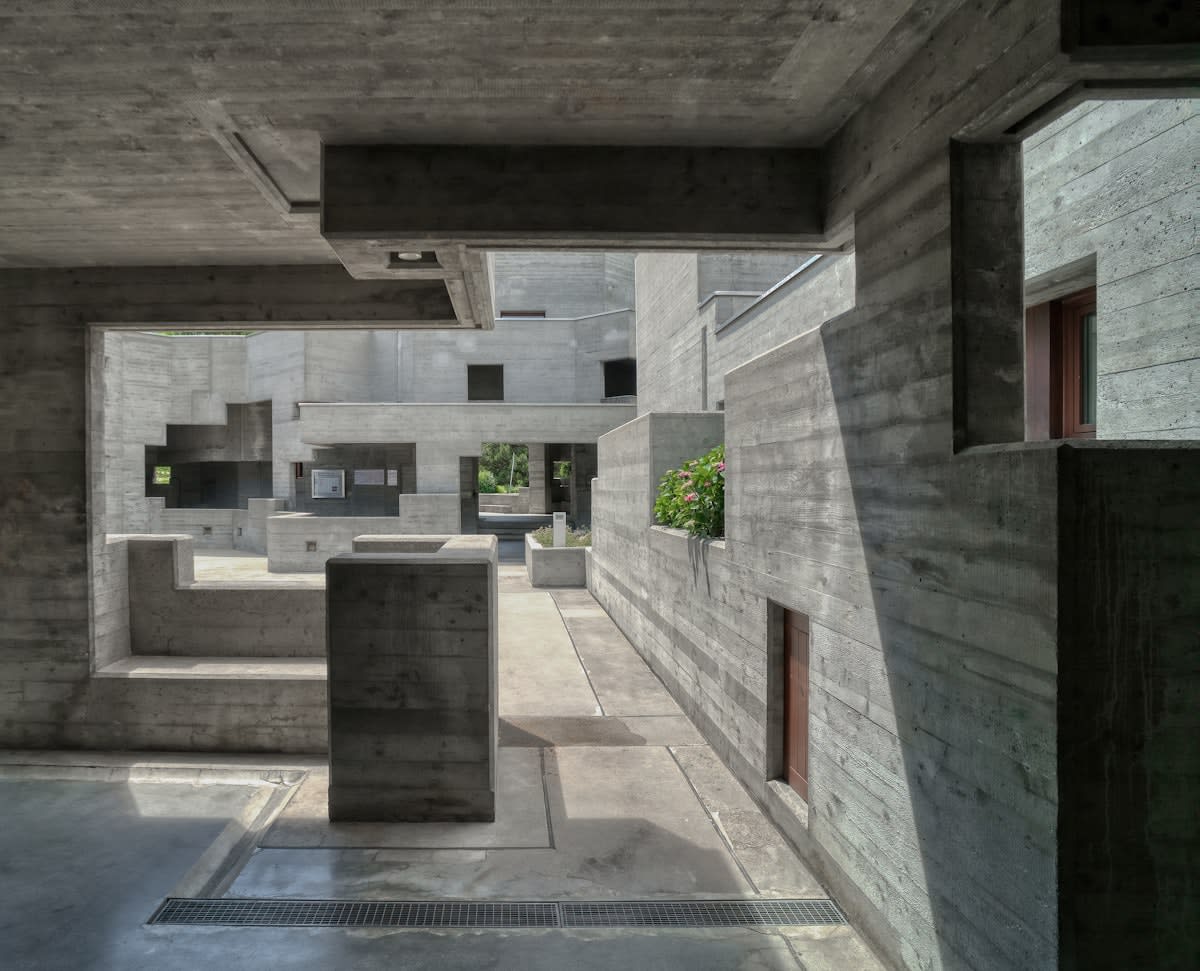
Consider the rise of 'cluttercore' and the intentional layering of disparate, often clashing, elements in high-end interior design. This isn't about a lack of curation; it is about hyper-curation. The goal is to create a space that feels lived-in, erratic, and deeply human. By incorporating elements that are traditionally considered 'ugly' or 'outdated,' designers are signaling a level of confidence that transcends traditional beauty standards. It is the ultimate power move: the ability to define what is tasteful by intentionally choosing what is not.
"Perfection is now the baseline. In a world of infinite digital polish, the only remaining luxury is the glitch, the error, and the raw edge."— Industry Analyst on the Shift toward Anti-Design
This shift manifests differently across the globe, yet the core driver remains the same. In Tokyo, the 'ugly-cool' movement blends traditional craftsmanship with aggressive, oversized streetwear that defies classical proportions. In Lagos, digital designers are blending hyper-saturated colors and overlapping textures to challenge Western notions of 'clean' UI. These aren't just local styles; they are nodes in a global network of designers rejecting the sterile hegemony of corporate minimalism.
The transition from smooth to jagged is now fundamentally baked into the business logic of high-end brands. The result? A total reimagining of the consumer's emotional journey.
The Economics of Friction
From a strategic perspective, 'ugly' design serves as a powerful filter for brand loyalty. When a product is conventionally beautiful, it appeals to everyone, which in the luxury market, means it appeals to no one specifically. By adopting a challenging aesthetic, brands create a 'knowledge barrier.' Only those 'in the know' understand why a distorted shoe or a chaotic website layout is actually a mark of prestige. This creates an exclusive club of consumers who derive status not from the object's beauty, but from their ability to appreciate its complexity.
| Metric | Minimalist Era (2010-2020) | Anti-Design Era (2021-Present) |
|---|---|---|
| Primary Visual Goal | Frictionless Harmony | Intentional Disruption |
| Consumer Signal | Wealth & Stability | Cultural Literacy & Edge |
| Engagement Driver | Ease of Use | Cognitive Dissonance |
| Market Reach | Mass-Market Luxury | Niche Hyper-Loyalty |
| AI Compatibility | High (Easily Replicated) | Low (Requires Human Intuition) |
The data suggests a clear correlation between aesthetic disruption and engagement. In a sea of identical layouts, a 'brutalist' website—characterized by raw HTML looks, overlapping text, and jarring colors—actually commands more attention. Internal industry metrics indicate that 'disruptive' UI can lead to a 12% increase in click-through rates among Gen Z demographics compared to standard corporate templates. This is because the brain ignores the familiar. By presenting something 'ugly,' designers force the viewer to stop and process the information actively rather than gliding over it passively.
We must also address the role of the 'archival' trend. The surge in value for distressed, worn, or 'ugly' vintage pieces is a direct rejection of the new-and-shiny. A $2,500 pair of sneakers that look like they were dragged through a construction site is not a joke; it is a statement on permanence and history. In an era of disposable fast-fashion, the appearance of wear and tear becomes a luxury signal. It suggests a life lived, a history possessed, and a refusal to be bound by the sterile expectations of the present.
The AI Paradox
The shift toward imperfection is a hedge against AI. As generative tools master the art of the 'perfect' image, the only thing they cannot authentically replicate is the human capacity for meaningful error.
Does this mean the end of beauty? Hardly. It is an expansion of the definition. We are moving from a period of 'Universal Beauty' to 'Contextual Beauty.' The beauty is no longer in the object itself, but in the intention behind its ugliness. This is a sophisticated game of semiotics. When a high-end brand releases a product that looks 'wrong,' they are asking the consumer to engage in a dialogue about what 'right' even means.
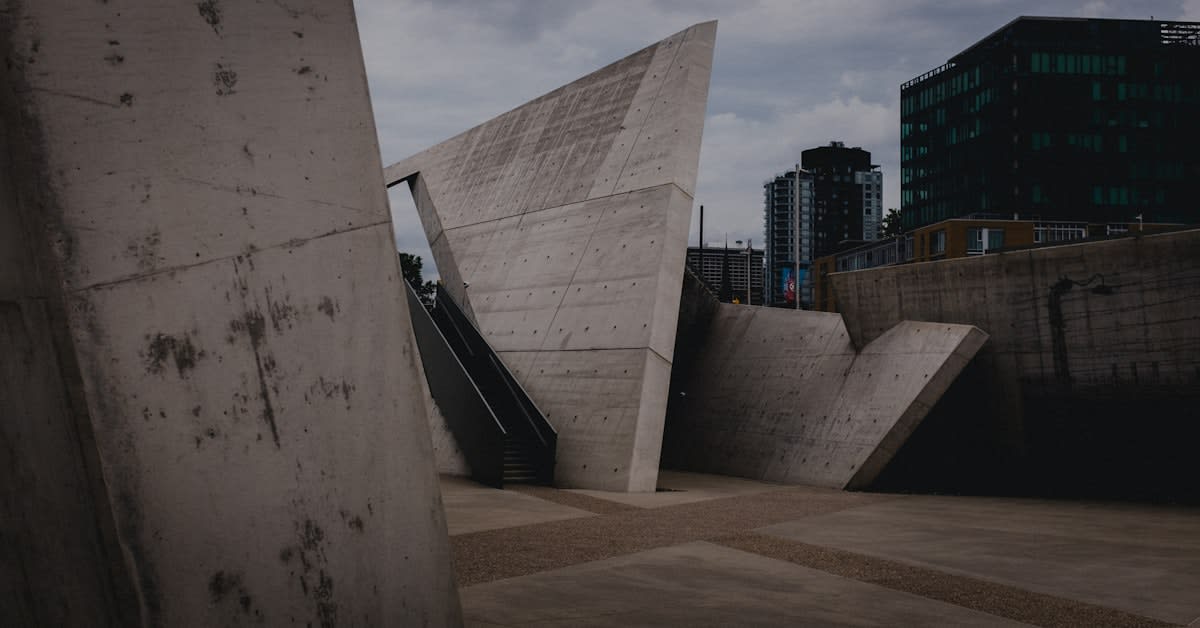
The systemic shift is now moving toward the infrastructure of luxury itself. Retail spaces are abandoning the 'white cube' gallery feel for industrial, raw, and sometimes intentionally decaying environments. This creates a visceral contrast between the high-value product and the low-value environment, further amplifying the perceived exclusivity of the item.
The Future of Controlled Chaos
Looking forward, the 'Ugly' aesthetic will likely evolve into a more nuanced 'Organic Chaos.' We will see less about shock value and more about the integration of biological irregularities—asymmetry, raw textures, and unpredictable forms. The goal will be to mimic the unpredictability of nature, which is the ultimate antidote to the grid-based logic of the digital screen.
- Shift from 'Universal Beauty' to 'Contextual Aesthetics'.
- Use of intentional friction to increase consumer cognitive engagement.
- The adoption of 'archival' and 'distressed' looks as a signal of authenticity.
- Rejection of algorithmic homogeneity in favor of human-centric error.
- Transition of luxury spaces from sterile galleries to raw, industrial environments.
Ultimately, the embrace of the ugly is a reclamation of the human experience. We are tired of the airbrushed, the optimized, and the seamless. By betting on chaos, high-end design is admitting that the most valuable thing we can offer in a digital age is something that feels real, flawed, and unapologetically strange.