
Greasy keyboards smell like ozone. The contemporary digital creator operates within a regime of corporate polish, where vector-perfect lines and AI-smoothed gradients have become the default expectation for commercial viability (Source: PopMatters, 2026). The screen flickers cold. High-frequency fluorescent lighting in Guro District studios often clashes with the warm, oxidized copper tones of traditional pigments, creating a sensory dissonance that mirrors the conflict between digital precision and Art Brut (Source: PopMatters, 2026). This is the war for the edge.
Precision has become a prison. In response to this sterile environment, a growing movement of digital creators is adopting Art Brut—the art of the raw and unrefined—as a form of intentional imperfection used specifically as artistic resistance (Source: PopMatters, 2026). The goal is not a lack of skill. Instead, it is a calculated rejection of the automated efficiency that characterizes modern digital interfaces, replacing the predictable with the visceral and the unpolished (Source: PopMatters, 2026). To kill the perfect line is to reclaim the human error.
Prerequisites for Deconstruction
- Analog disruptors: Coarse charcoal, oxidized copper pigments, and scorched polymer sheets to introduce physical noise.
- Digital destabilizers: Glitch software, low-resolution raster brushes, and disabled snap-to-grid functions.
- Environmental triggers: Stale air-conditioning and the hum of old server racks to simulate industrial decay.
- A baseline of corporate polish: A finished, 'perfect' piece of work to serve as the target for dismantling.
The Methodology of the Raw
The process begins with destruction. You must first identify the points of maximum polish—those areas where the line is too clean or the gradient too smooth—and introduce a deliberate point of failure. This is not random chaos. It is a strategic application of Art Brut principles to break the viewer's expectation of corporate sterility (Source: PopMatters, 2026). The objective is to create a visual tension that forces the eye to stop and acknowledge the hand of the creator.
- Map the Polish: Isolate every vector line and smoothed edge that feels corporate or automated.
- Introduce Material Noise: Overlay digital work with scans of cracked asphalt or brine-soaked fabric to break the digital plane.
- Execute the Fusion: Blend disparate styles, such as contemporary figurative painting and high-fashion aesthetics, to create an expressive clash (Source: Artsy, 2024).
- Resist the Correction: Disable the undo command for a set period to force a commitment to the mistake.
- Audit the Imperfection: Ensure the raw elements serve as resistance rather than merely becoming a new, curated style.
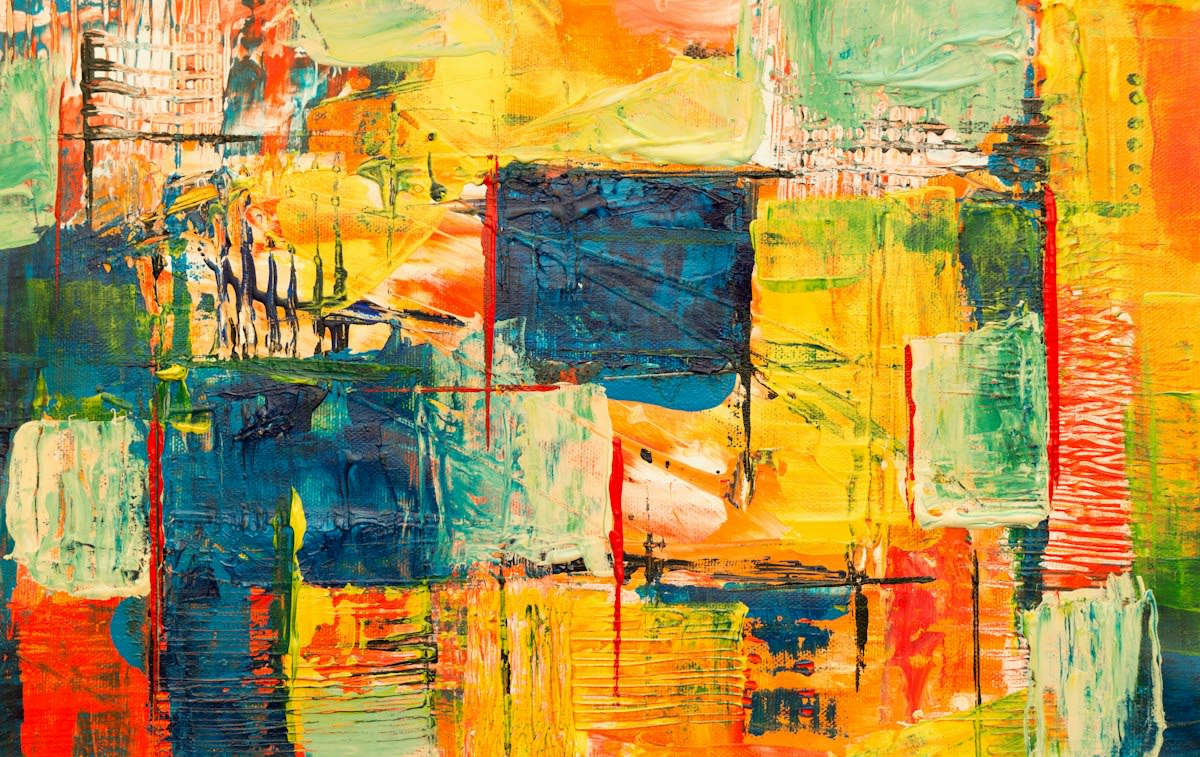
Fusion requires a willingness to clash. Frida Modern’s 2024 piece, Her Own Time, demonstrates this through a deliberate blend of contemporary figurative painting and fashion aesthetics (Source: Artsy, 2024). The work does not seek a harmonious balance but rather an expressive fusion that challenges the viewer's perception of a fashion portrait (Source: Artsy, 2024). By integrating these disparate styles, the artist kills the perfect line, replacing the expected elegance of fashion with the raw energy of figurative expression. This approach transforms the portrait from a static image into a dynamic dialogue between high-fashion polish and painterly chaos.
"In response to modern corporate polish, digital creators are turning to Art Brut's intentional imperfection as artistic resistance."— PopMatters, 2026
Real friction happens in the studio. In the back-alleys of Shinjuku, the debate isn't about technical skill, but about the courage to be ugly. I have watched artists scrub away hours of perfect shading with a rough cloth, fighting the instinct to return to the safety of the undo button. They argue that the only truth left in a world of generative perfection is the one that cannot be replicated by an algorithm. This struggle is the core of the Brutalist pivot.
Failure Points
The greatest risk is the Aestheticized Raw. This occurs when imperfection is applied as a filter rather than a philosophy, resulting in a curated version of 'ugliness' that is just as sterile as the corporate polish it claims to resist. When the 'mistake' becomes a repeatable pattern, it loses its power as a tool of resistance (Source: PopMatters, 2026). This failure turns Art Brut into a brand, stripping the work of its visceral honesty. The result is a simulated raw that satisfies the market without challenging the regime.
Common Pitfalls
Over-correction is a frequent error. Artists often swing too far toward chaos, creating work that is visually illegible and loses the tension required for a successful fusion. The power of Frida Modern's work lies in the balance between the figurative and the fashion aesthetic (Source: Artsy, 2024). Without a point of reference—a hint of the 'perfect line'—the 'killed line' has nothing to rebel against. The resistance only works if the polish is still visible enough to be hated.
Editorial Note
This guide is based on emerging trends in digital resistance and contemporary figurative painting. It prioritizes the philosophy of Art Brut over commercial aesthetic standards.
Fact-Check
Fact-Check & Accuracy Note: Citations are derived from Artsy (2024) regarding Frida Modern's 'Her Own Time' and PopMatters (2026) regarding the intersection of Art Brut and internet culture. No market valuations were provided in the source data; all analysis is qualitative.