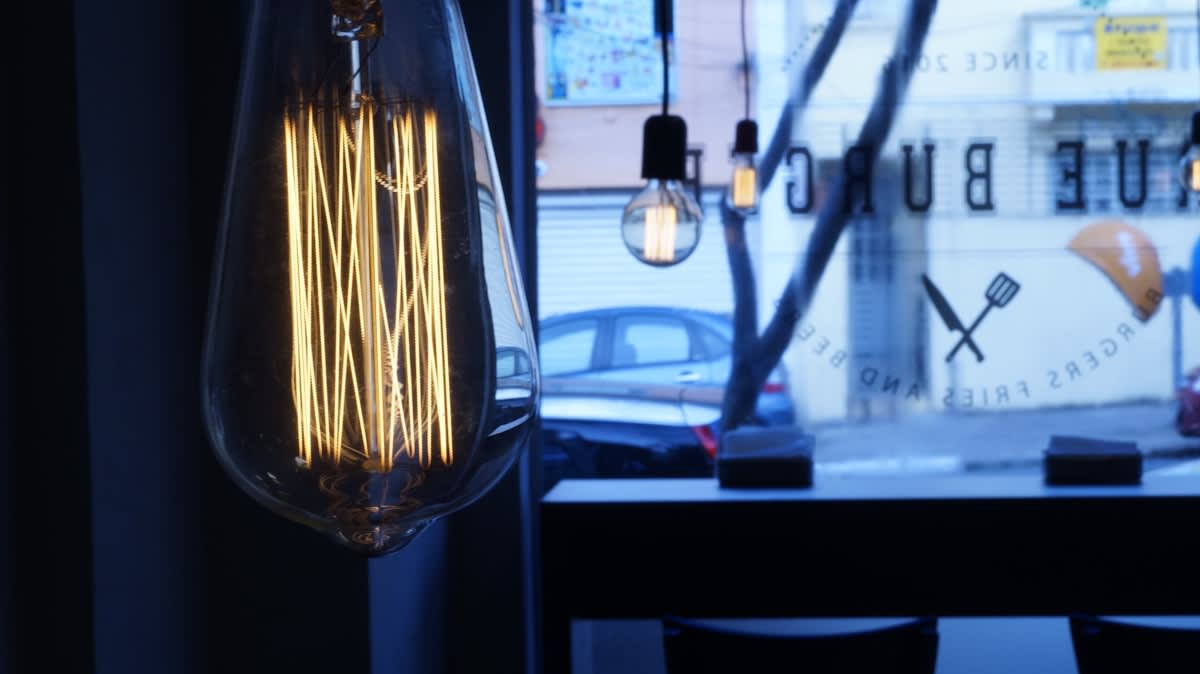
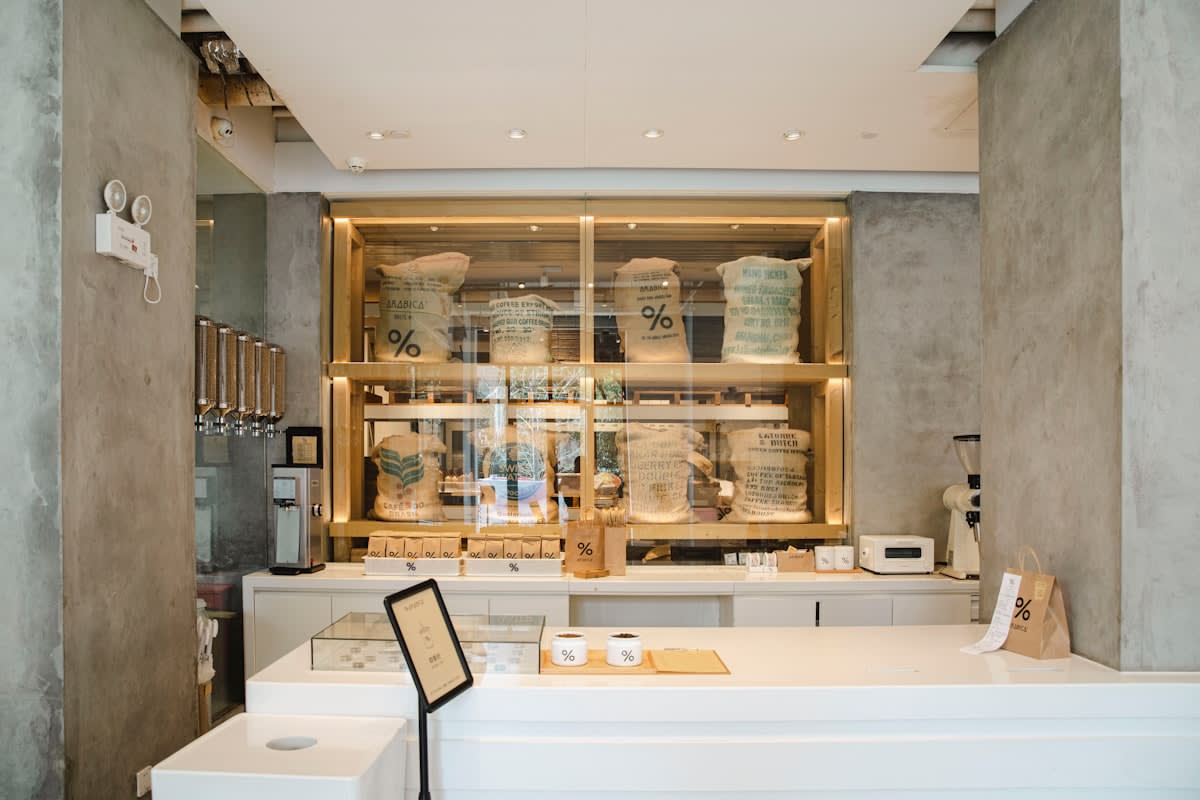
Step off a plane in Reykjavik, wander into a cafe in Kyoto, or check into an Airbnb in Berlin, and you will likely encounter the same visual vocabulary. Raw wood tables, exposed brick walls, hanging Edison bulbs, and a menu featuring avocado toast. This is not a coincidence, nor is it the result of a global design mandate issued by a secret committee. It is the physical manifestation of a digital feedback loop that has effectively flattened the world's interior design into a single, recognizable, and utterly placeless style.
Kyle Chayka identified this phenomenon as early as 2016, coining the term AirSpace to describe this peculiar convergence of aesthetic markers. He observed that the coffee shops and short-term rentals of the world had begun to mirror one another, regardless of their geographic or cultural context. This shift did not happen because of corporate franchising or government policy. Instead, it emerged from the digital platforms that travelers, designers, and business owners use to define what a desirable space should look like.
The Feedback Loop of the Visualized
Why does this happen? The mechanism is simple but relentless: algorithmic reinforcement. When a particular look goes viral on a visual platform, it becomes the benchmark for success. A cafe owner in Los Angeles sees a high-performing image of a Nordic-style interior and replicates it to attract the same demographic. A traveler then photographs that space, uploads it, and the algorithm pushes it to a designer in Tokyo. This creates a closed loop where the only way to ensure visibility and commercial viability is to adhere to the existing visual standard.
In his 2024 work, Filterworld: How Algorithms Flattened Culture, Chayka argues that this 'go viral or die' mentality forces creators to optimize for the algorithm rather than for local context or personal expression. The result is a cultural thinning. We are no longer designing for the people who live in a city, but for the digital ghost of a global traveler who expects a predictable, Instagrammable experience. The space ceases to be a reflection of its environment and becomes a prop for a digital narrative.
"Algorithm will bring conversations, products, and topics, but human curation that reflects real preferences, opinions and discretion is where brands need to go."— Westfield London
This flattening is not merely an artistic tragedy; it is a systemic shift in how value is assigned to physical space. When the 'desirable' is predefined by a global average, the risk of innovation becomes too high for the average entrepreneur. Why experiment with indigenous materials or local architectural traditions when the Edison bulb is a proven asset for driving bookings? The incentive structure of the platform economy rewards compliance over creativity.
But this digital homogeneity is only the first layer of the problem. As we move further into the decade, the tools used to create these spaces are themselves becoming algorithmic.
AI and the Acceleration of Sameness
The integration of Artificial Intelligence into interior design is accelerating this convergence. Designers are now using AI to generate photo-realistic renderings of spaces with unprecedented speed. While this increases efficiency, it also introduces a new layer of standardization. AI models are trained on existing datasets of 'beautiful' interiors, which are already skewed toward the AirSpace aesthetic. Consequently, the AI suggests the very things that are already ubiquitous.
Designers like Yarko Design have integrated AI to provide clients with faster turn-arounds on visual concepts. This capability is powerful, but it risks turning the design process into a selection from a pre-approved menu of algorithmic possibilities. If the AI is trained on a world that already looks the same, it will continue to produce designs that ensure the world continues to look the same. The tool solves the problem of speed, but it may inadvertently solve the problem of originality out of existence.
The Efficiency Trap
The real danger is not that AI replaces the designer, but that it replaces the designer's instinct to question the status quo. When a rendering looks 'perfect' according to the data, the human impulse to add a strange, local, or challenging element is often suppressed in favor of the safe, algorithmic bet.
Despite this, there is a critical distinction to be made. Great design is not just about the image; it is about solving specific, physical problems on a site. AI can simulate a mood board, but it cannot walk onto a physical plot of land and feel the way the light hits a specific wall at 4 PM in October. This tactile, site-specific reality is the only remaining defense against total aesthetic erasure.
This tension between the digital ideal and the physical reality reflects a broader global shift in cultural projection.
Beyond Americanization: The New Global Vector
For decades, this kind of homogeneity was dismissed as 'Americanization'—the projection of US cultural norms onto the rest of the world. However, recent analysis by Tournès suggests a more complex reality. While Americanization was a coordinated project of cultural projection, it is now just one vector among many. The current sameness is not about one country dominating others, but about a global digital infrastructure dominating everyone.
This is what Tournès describes as an invisible architecture of confidence. The tourist economy relies on the belief that tomorrow will resemble today closely enough to justify a booking. A traveler feels safe in a Kyoto cafe because it looks like a cafe they know from London. This predictability is a commodity. The 'AirSpace' look is effectively a visual insurance policy for the global traveler, reducing the friction of international mobility by ensuring that the environment is always legible.
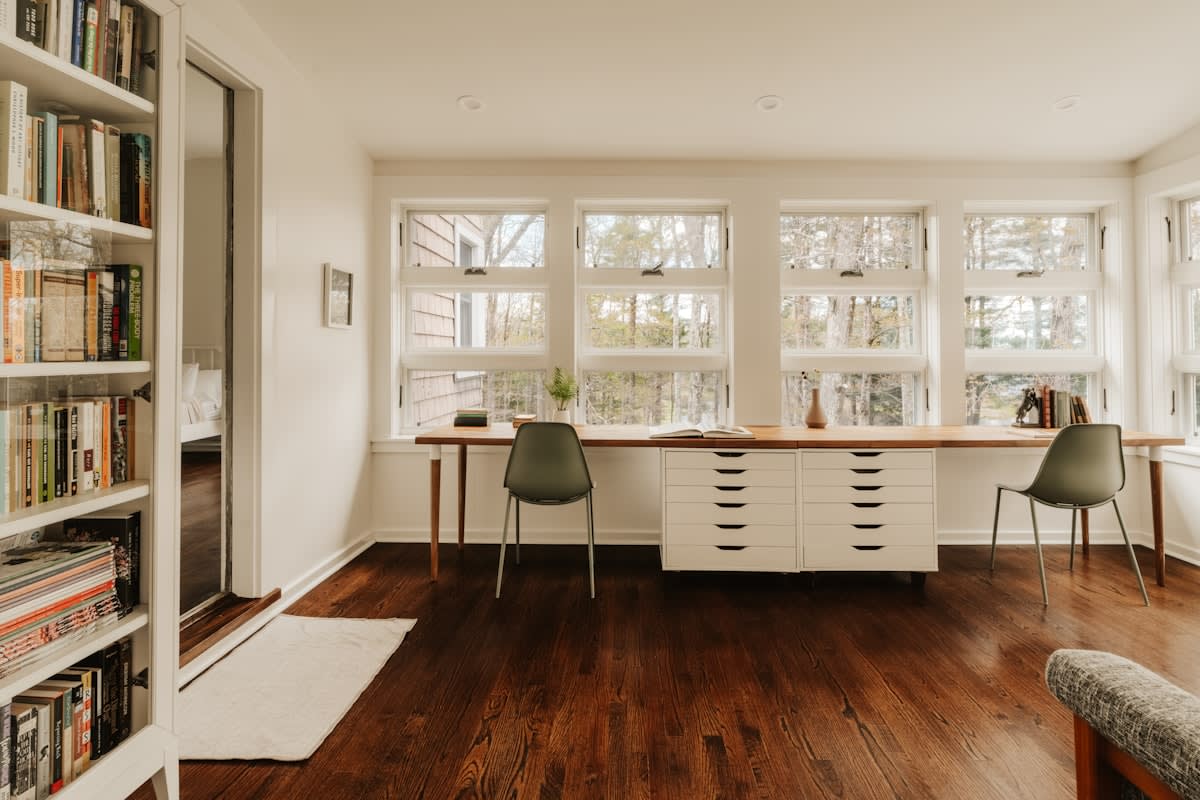
When we strip away the local identity of a space, we are not just losing a style; we are losing the context of the place. If every resort depends on this predictable architecture, the beach itself remains, but the cultural experience of the destination evaporates. The destination becomes a backdrop for a standardized experience rather than a catalyst for genuine discovery.
If the algorithm is the architect of the modern world, then the only way to reclaim local identity is to pivot toward intentional human curation.
The Premium of Human Curation
We are approaching a tipping point where algorithmic sameness becomes a liability. As the world becomes more visually identical, the value of the 'unexpected' increases. Human curation—the act of making choices based on discretion, opinion, and a deep understanding of local nuance—is becoming a luxury good. Brands that can move beyond the algorithm to reflect real human preferences will find a competitive advantage in an ocean of beige minimalism.
| Feature | Algorithmic Curation (AirSpace) | Human Curation (Localist) |
|---|---|---|
| Primary Goal | Predictability & Virality | Authenticity & Context |
| Design Driver | Global Data Averages | Local Materiality & History |
| User Experience | Legibility (Comfort in the Familiar) | Discovery (Challenge of the New) |
| Risk Profile | Low (Proven to perform) | High (Subjective and Experimental) |
| Longevity | Trend-dependent (Fast cycle) | Timeless (Rooted in place) |
The opportunity for the next generation of designers and entrepreneurs lies in this resistance. Instead of optimizing for the 'most likely to be liked' image, the most resilient spaces will be those that embrace the friction of their location. This means integrating materials that are not globally trendy but are locally significant, and designing for the people who live in the neighborhood rather than the people who will photograph it for ten seconds before leaving.
The death of local style is not an inevitability, but a choice driven by the current tools of distribution. By recognizing that the algorithm is a tool for conversation, not a blueprint for creation, we can begin to rebuild spaces that actually belong to the places they inhabit. The future of design is not in the perfection of the rendering, but in the imperfection of the real.