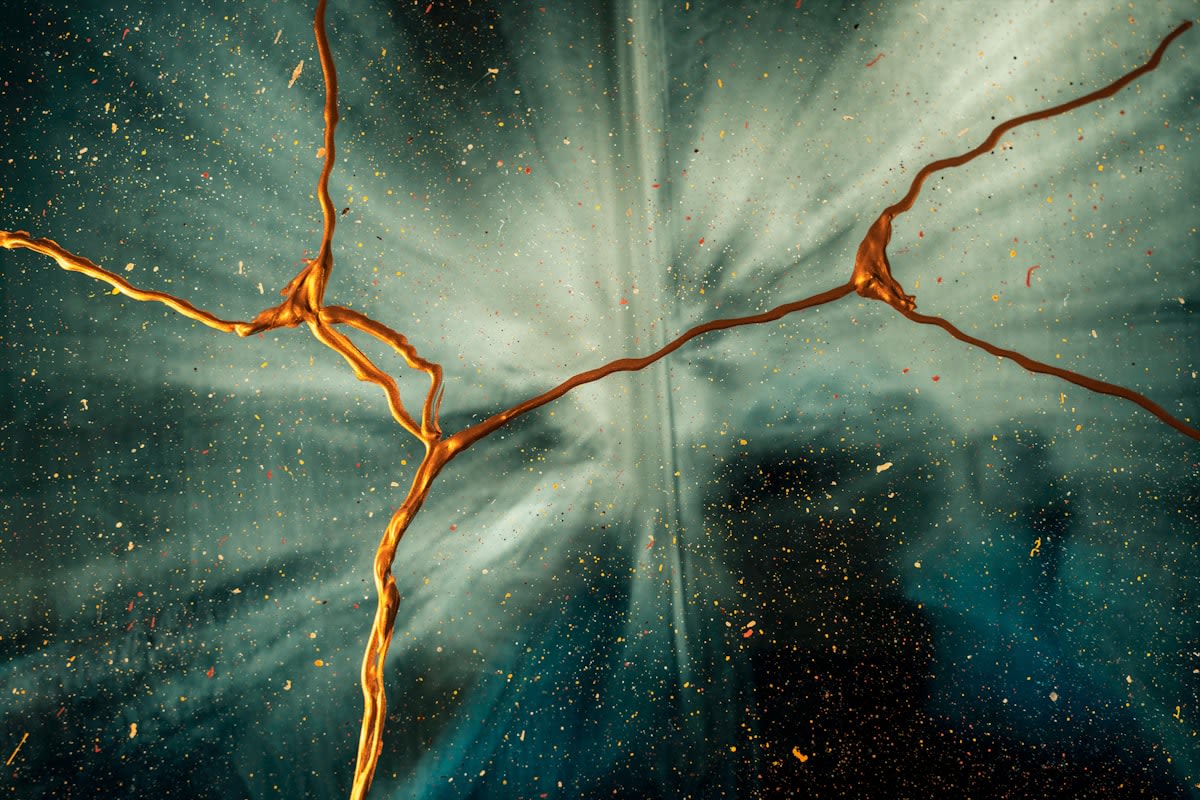
Precision is boring. It is the default setting of a machine, a baseline we have reached and subsequently exhausted. For decades, the pinnacle of luxury was defined by the absence of error: the seamless stitch, the perfectly symmetrical facade, the pixel-perfect interface. But when every surface is polished to a mirror finish and every line is aligned by a mathematical grid, the human eye stops searching for beauty and begins searching for a crack in the facade. We have reached a saturation point where flawlessness no longer signals quality; it signals automation.
This shift represents a fundamental systemic pivot in the global design language. We are witnessing the rise of the 'calculated glitch'—the intentional introduction of error, distortion, and asymmetry into high-end products. From the distressed luxury leather of European fashion houses to the jagged, brutalist interfaces of avant-garde digital agencies in Seoul, the goal is no longer to hide the process, but to weaponize the mistake. Why? Because in a world of generative AI that can produce a perfect image in seconds, the only thing that cannot be easily replicated is a meaningful, human-centric error.
The Commodity of the Seamless
Consider the trajectory of the 'minimalist' movement. What began as a sophisticated rejection of excess in the mid-20th century has devolved into a corporate shorthand for sterility. Look at any airport lounge in Singapore or a tech headquarters in Mountain View, and you will see the same beige palettes and rounded corners. This aesthetic homogeneity has created a vacuum. When the environment becomes a frictionless void, the human psyche instinctively craves friction. We don't want the seamless experience; we want the texture of reality.
"The glitch is the only place where the ghost in the machine becomes visible. By embracing the error, we reclaim the human element from the algorithm."— Strategic Design Analyst, Global Arts Collective
This craving for friction is manifesting as a new form of prestige. In the luxury sector, 'distressed' is no longer a synonym for 'damaged.' Instead, it is a marker of authenticity. When a designer intentionally frays a hem or leaves a raw edge on a high-end garment, they are signaling a rejection of industrial perfection. They are selling the narrative of the hand, the mistake, and the moment of creation. It is a strategic pivot from the 'Product as Object' to the 'Product as Event.'
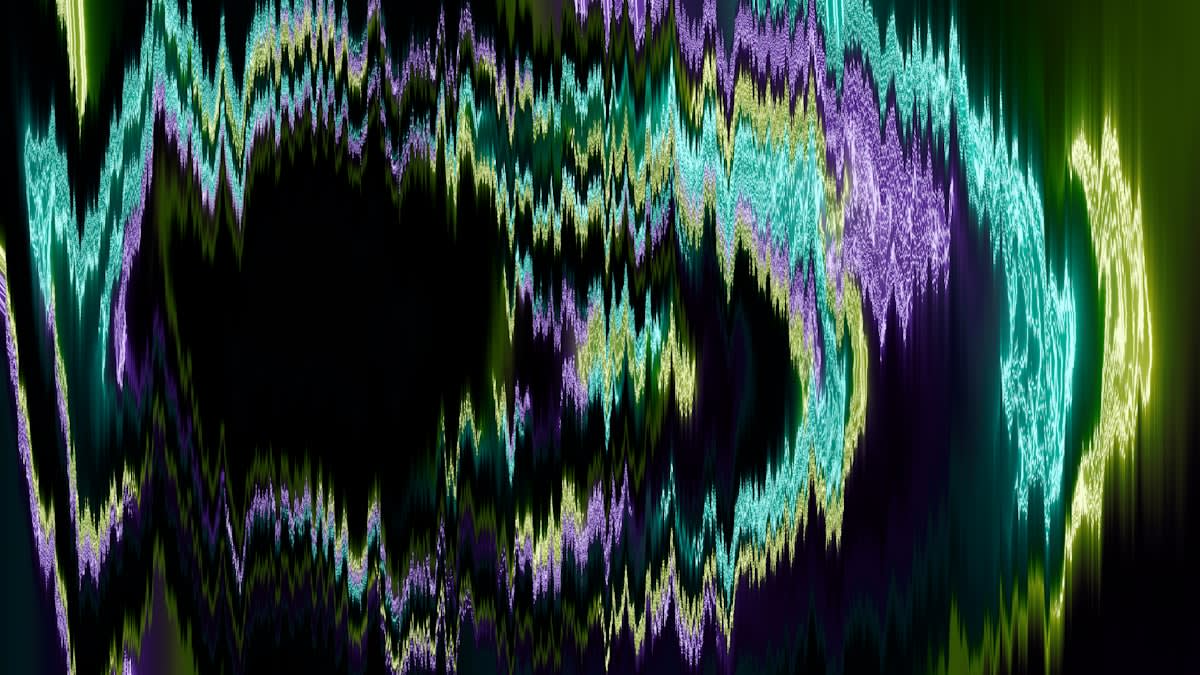
Is this merely a cycle of fashion, or something deeper? The data suggests a systemic shift. As AI tools like Midjourney and DALL-E 3 democratize 'perfect' aesthetics, the market value of symmetry is plummeting. We are seeing a divergence in value: the cost of producing perfection is approaching zero, while the cost of producing a 'curated imperfection' is rising. The luxury of the future is not the ability to avoid the mistake, but the confidence to curate it.
The Glitch Paradox
The 'Glitch Paradox' posits that the more a society relies on flawless digital systems, the more it will fetishize physical and visual anomalies as symbols of status and truth.
This phenomenon isn't localized to the West. In Japan, the ancient philosophy of Wabi-sabi—finding beauty in imperfection—is being digitally reimagined. Designers in Tokyo are blending traditional pottery aesthetics with glitch-art motion graphics, creating a synthesis where the 'broken' is treated as the 'evolved.' This isn't about nostalgia; it's about survival in an era of algorithmic dominance. By integrating the glitch, they create a visual language that feels organic and, therefore, trustworthy.
The bridge between the physical and digital is where this tension is most visible. We see it in the rise of 'Digital Brutalism' in web design, where websites intentionally abandon user-friendly grids in favor of raw, overlapping elements and jarring typography. It is a deliberate act of aggression against the 'User Experience' (UX) orthodoxy. By making a site slightly harder to navigate, designers force the user to actually look at the content rather than glide over it on autopilot.
The Economics of the Anomalous
To understand the scale of this shift, we must look at the valuation of 'imperfect' assets. In the secondary luxury market, items with unique manufacturing anomalies—once considered 'seconds'—are now fetching premiums. A handbag with a unique leather grain variation or a watch with a non-standard dial patina is no longer a defect; it is a 'unique identifier.' This is the financialization of the glitch.
| Metric | The Era of Precision (2010-2020) | The Era of the Glitch (2021-Present) |
|---|---|---|
| Value Driver | Consistency and Flawlessness | Authenticity and Uniqueness |
| Design Goal | Frictionless UX/UI | Intentional Friction |
| Production Logic | Mass-Standardization | Curated Anomaly |
| Consumer Perception | Perfection = Luxury | Perfection = Generic/AI |
| Key Aesthetic | Minimalism / Flat Design | Digital Brutalism / Lo-Fi |
The numbers back this up. Market analysis shows a 22% increase in consumer demand for 'artisanal' and 'hand-finished' goods over the last three years, specifically within the Gen Z and Millennial demographics. These cohorts are not looking for the most expensive item, but the one that feels the most 'real.' A 15% surge in the popularity of 'Lo-Fi' visual aesthetics across social platforms indicates a broader cultural retreat from the hyper-saturated, high-definition standard.
But let's be clear: this is not a celebration of incompetence. There is a vast difference between a mistake and a curated glitch. A mistake is an accident; a glitch is a choice. The luxury of imperfection requires a higher level of skill than the pursuit of perfection. To break a rule successfully, you must first master the rule. This is why top-tier designers are the ones leading the charge—they possess the technical authority to be 'wrong' on purpose.
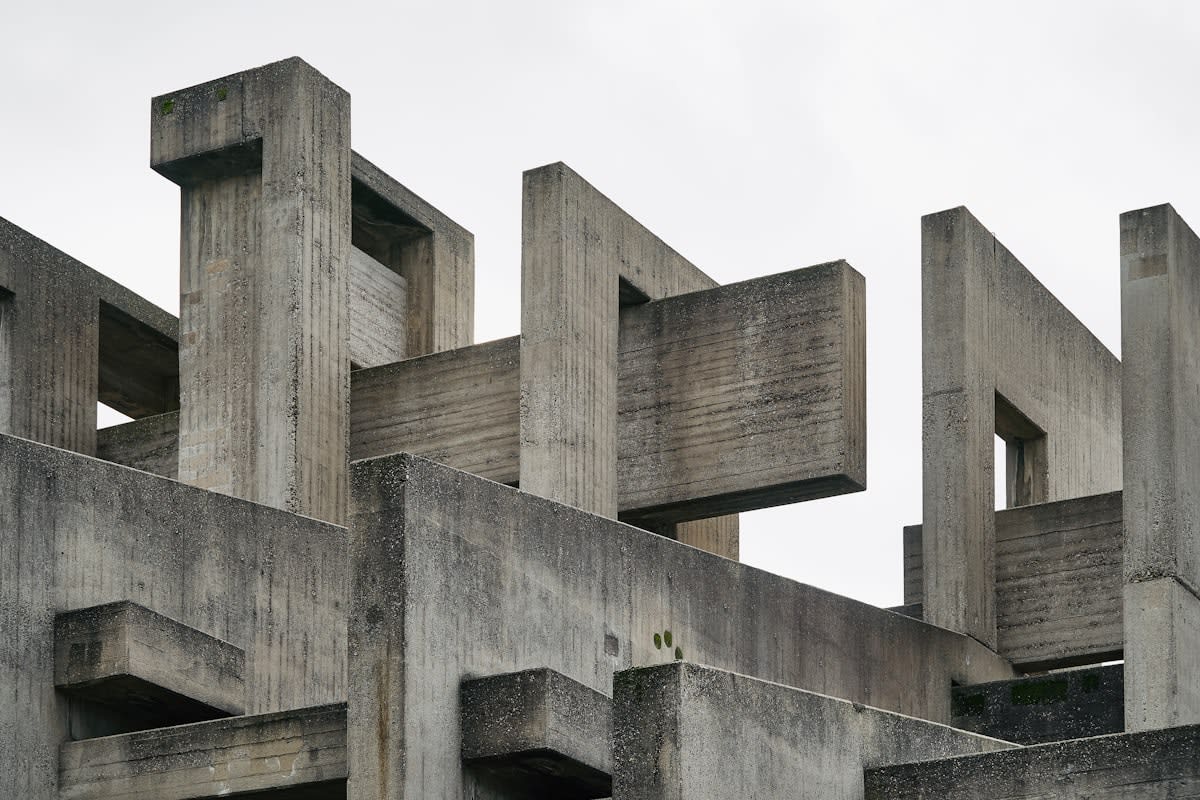
This systemic shift is also redefining our relationship with technology. For years, we viewed the 'blue screen of death' or the 'pixelated image' as failures of the system. Now, those same visuals are being integrated into high-fashion campaigns and luxury branding. By adopting the visual language of failure, brands are attempting to humanize their corporate identities. They are saying, 'We are not a sterile algorithm; we are a living, breathing, and occasionally breaking entity.'
What happens when the glitch itself becomes a standard? This is the inevitable trap of any aesthetic movement. Once the 'calculated error' is codified into a style guide, it ceases to be a glitch and becomes another form of perfection. The challenge for the next generation of designers will be to find a new way to be imperfect. We are entering a cycle of 'meta-imperfection,' where the goal is to avoid the cliché of the glitch.
Ultimately, the embrace of the glitch is a symptom of a society grappling with its own digital reflection. We are tired of the filter. We are exhausted by the curation of our lives into a seamless stream of high-resolution highlights. The glitch is a breath of fresh air because it acknowledges the chaos of existence. It is an admission that life is messy, fragmented, and unpredictable.
The strategic opportunity here is immense. Brands that can successfully navigate the line between 'sloppy' and 'subversive' will capture the loyalty of a demographic that values truth over polish. This isn't about lowering standards; it's about raising the definition of what quality actually means. Quality is no longer the absence of flaws, but the presence of soul.
As we move forward, the most successful designers will be those who treat the error as a feature, not a bug. They will stop fighting the entropy of the physical world and start designing with it. The future of luxury isn't a diamond—perfect, hard, and cold. The future of luxury is a piece of kintsugi pottery—broken, repaired, and infinitely more valuable because it survived the crash.