The Great Physical Pivot
The screen is a liar. It promises total connectivity while delivering a profound sense of isolation, a paradox that has finally pushed the world's most digital generations toward a visceral hunger for the tangible. We are witnessing a massive pivot where the seamlessness of the cloud is no longer the ultimate goal; instead, the goal is friction. Young adults in Tokyo, Berlin, and New York are not abandoning technology, but they are aggressively integrating 'intentional obstacles' back into their lives. They want the smudge of ink on their fingers, the crackle of a needle on a record, and the anxiety of a camera with only 36 frames.
Compare the cultural mood of early 2023 to today. Twelve months ago, the discourse was dominated by the total absorption of reality into the Metaverse and the efficiency of Generative AI. Now, the delta is clear: there is a sharp, corrective swing toward the physical. The 'Digital-First' mantra has evolved into 'Physical-Essential.' This isn't a nostalgic retreat into the past, but a strategic adaptation to a world where the boundaries between work, life, and the internet have completely dissolved. Physicality provides the only remaining boundary that cannot be bypassed by an algorithm.
"The digital world is a frictionless void. We are returning to the physical not because we hate the cloud, but because we need to feel the weight of our own existence."— Elena Rossi, Industrial Design Lead
Why does this shift feel so urgent now? The answer lies in the cognitive load of the infinite scroll. When every piece of media is accessible and ephemeral, nothing feels permanent or precious. By choosing a physical medium, the user reintroduces scarcity. A physical book cannot be interrupted by a push notification. A vinyl record cannot be skipped with a mindless swipe. This forced mindfulness is the primary driver of the tactile turn, transforming passive consumption into an active, sensory event.
The Sonic Weight: Vinyl and the Ritual of Listening
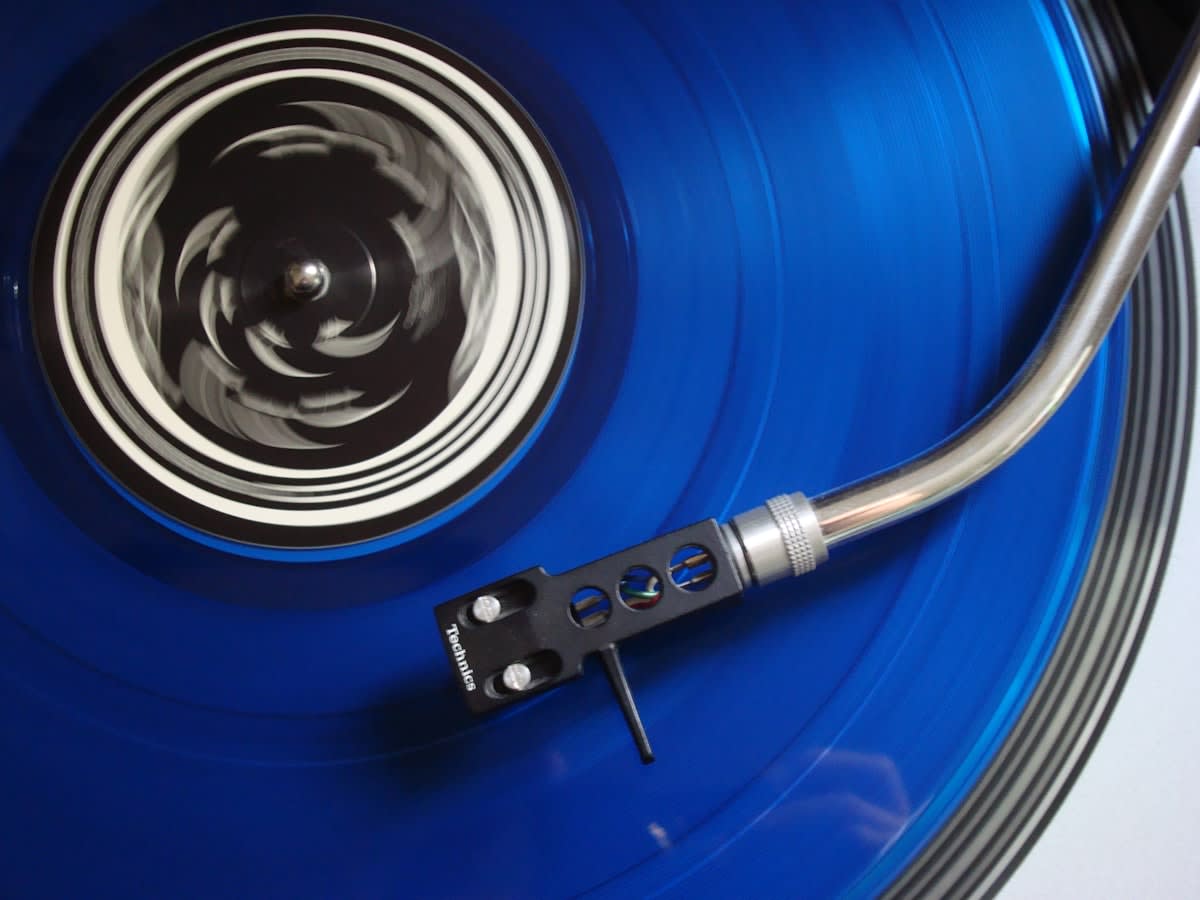
The vinyl resurgence is the most visible marker of this trend. Global vinyl sales have surged to 15-year highs, with some markets reporting over 30 million units sold annually. But look closer at who is buying. It is not just the aging audiophile; it is the 19-year-old who has never owned a CD. In Japan, the 'Kissa' or listening cafe culture is seeing a massive revival among Gen Z, who treat the act of listening as a meditative practice. They aren't just buying music; they are buying a physical artifact that proves the music exists in the real world.
| Feature | Digital Streaming | Physical Media (Vinyl/Tape) |
|---|---|---|
| Ownership | Licensed Access | Permanent Possession |
| Engagement | Passive/Background | Active/Foreground |
| Discovery | Algorithmic Suggestion | Curation/Physical Browsing |
| Sensory Input | Visual/Auditory | Visual/Auditory/Tactile/Olfactory |
The appeal of the record lies in its intentional friction. It requires a physical commitment: the act of sliding the disc from its sleeve, the careful placement of the needle, and the mandatory pause halfway through the album to flip the side. This ritual transforms music from a background utility into a foreground event. In an era of hyper-efficiency, the inefficiency of the record player is its greatest luxury. It forces the listener to surrender to the artist's intended sequence, rejecting the fragmented nature of the playlist.
This movement extends beyond the audio. We see it in the resurgence of cassette tapes and the niche growth of 8-track collectors. The common thread is a rejection of the 'invisible' nature of digital files. When you hold a cassette, you hold a physical manifestation of a specific moment in time. It is a tangible anchor in a sea of ethereal data.
This craving for the tangible is now bleeding into the way we capture our visual history.
The Grain of Truth: Film Photography and Slow Media
Film photography has transitioned from a professional relic to a youth obsession. Market data suggests a 25% increase in film camera sales among consumers under 25 over the last 18 months. The allure is not the quality—digital sensors are objectively superior—but the unpredictability. The light leaks, the grain, and the delayed gratification of developing a roll of film create a tension that a smartphone filter simply cannot mimic. It introduces a risk factor: you might mess up the shot, and that failure makes the successful images more valuable.
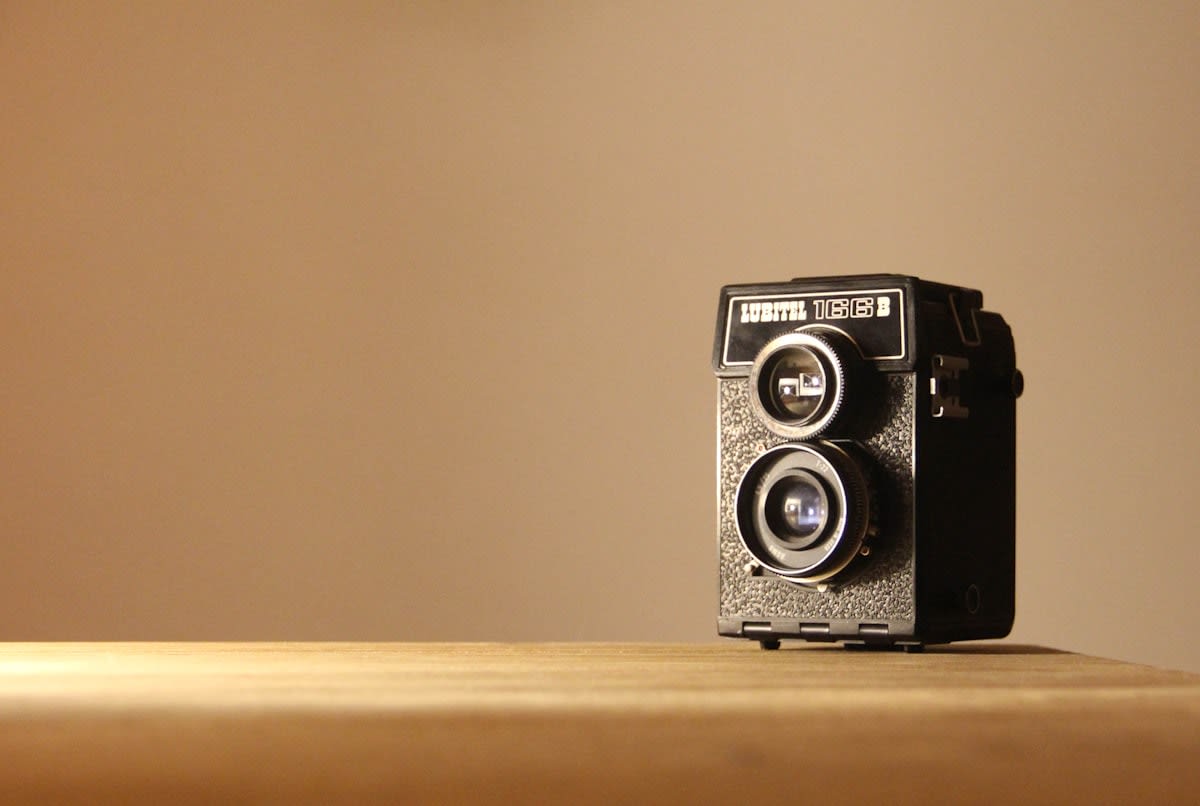
In cities like Seoul and Bangkok, film labs have become social hubs. The process of waiting for scans to arrive via email has become a modern ritual of anticipation. This is 'Slow Media.' It is a direct rebellion against the instantaneity of Instagram and TikTok. By limiting themselves to 36 frames, photographers are forced to be intentional. They look at the world more closely, wait for the right light, and compose with a level of care that is lost when you can take 500 bursts of a single subject.
The Slow Media Shift
The 'Slow Living' movement is no longer just about gardening and baking; it has entered the realm of media consumption. It is an intentional choice to prioritize quality of experience over quantity of content.
This shift isn't just about the image; it's about the memory. A digital photo is a file; a film photo is an object. When you hold a physical print, the memory is tethered to a piece of paper. This tactile connection creates a stronger emotional resonance, making the image feel like a relic rather than a data point.
The obsession with the physical doesn't stop at art; it has permeated the very way we organize our thoughts.
The Stationery Surge: Writing in the Age of LLMs
As Large Language Models begin to automate the act of writing, the physical act of handwriting has become a radical act of identity. In South Korea, the high-end stationery market has seen a consistent CAGR of 4-6%, driven by a youth culture obsessed with 'planner' aesthetics. Journals, fountain pens, and washi tape are not just tools; they are instruments of mindfulness. Writing by hand slows the brain down, allowing for a type of reflection that is impossible when typing at 80 words per minute.
- Cognitive Retention: Studies suggest that handwriting information leads to better conceptual understanding than typing.
- Emotional Externalization: The physical pressure of a pen on paper provides a sensory outlet for stress and emotion.
- Digital Detox: The journal is one of the few remaining 'dead zones' where notifications cannot penetrate.
- Aesthetic Ownership: Customizing a physical planner allows for a level of personal expression that a digital app template cannot match.
There is a delicious irony here: many of these analog enthusiasts use digital apps to track their analog habits. They take a photo of their handwritten journal to post on a 'StudyGram' account. This suggests that the tactile turn is not a rejection of the digital, but a hybrid evolution. The digital world is for distribution; the physical world is for creation and reflection. The two are beginning to exist in a symbiotic relationship where the physical provides the depth and the digital provides the reach.
Implications for Design and Media
For designers and brands, this trend is a wake-up call. The era of the 'minimalist, flat, digital-everything' aesthetic is peaking. We are seeing a return to skeuomorphism—design that mimics real-world textures—and a renewed interest in haptic feedback. Brands are realizing that to capture the attention of Gen Z, they need to provide a tactile experience. This means heavier paper stock for packaging, embossed textures, and physical 'unboxing' experiences that feel like events rather than transactions.
Growth in Analog Hobby Interest (Relative Scale)
Executive Insight
+18.4%
YTD Growth
The resilience of the physical is not a fluke. It is a biological necessity. Humans are tactile creatures; our brains are wired to interact with a three-dimensional world. When we spend 12 hours a day interacting with a glass rectangle, we create a sensory deficit. The 'Tactile Turn' is simply the body's way of correcting that deficit. It is an act of resilience, a way for the digital native to reclaim their humanity from the efficiency of the machine.
As we move forward, the most successful products will not be those that remove all friction, but those that introduce the right kind of friction. The future is hybrid. It is a world where we use AI to organize our calendars but use a fountain pen to write our secrets. It is a world where we stream music for the commute but play a record for the soul. The tactile turn is not a trend; it is a homecoming.