The Cooling Default
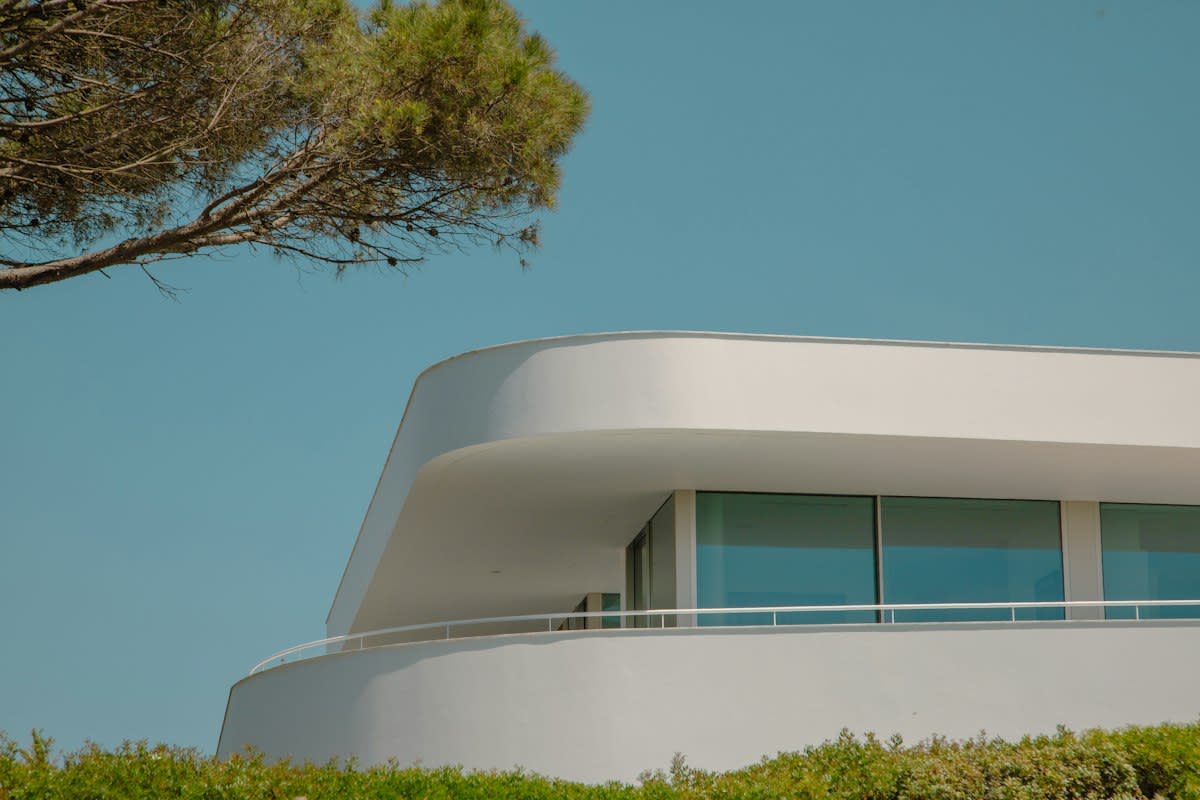
Does more power always equal more cold? For decades, the industry operated on a simple, flawed assumption: when the heat rises, increase the BTU output. This cooling dominant culture has created a cycle of mechanical dependency (Source: Phius, 2026). It is a failure of imagination. We have treated the building as a leaky bucket, pouring energy into it to keep the interior temperature stable while the exterior envelope remained a sieve.
The delta is becoming visible. Six months ago, the conversation centered on the efficiency of the machine. Now, the focus has shifted to the asymmetry of the envelope. We are seeing a hard turn toward strategies that prioritize the reduction of the cooling load before a single piece of hardware is installed. This is not about minor tweaks. It is about a collision between traditional HVAC defaults and the rigorous requirements of passive standards in warm, hot, and humid climates (Source: Passive House Network, 2026).

The Super-Insulation Collision
Insulation is not a universal cure. In certain extreme environments, the very tools used to keep heat out can become a liability. A super-insulated enclosure can actually drive the cooling load upwards (Source: Phius, 2026). This happens when the building becomes too efficient at trapping internal heat gains. The envelope becomes a thermal tether, locking the heat inside and forcing the cooling system to fight a battle against the building's own skin.
This creates a technical rub that only practitioners on the ground truly feel. There is a constant dispute between the architects pushing for maximum U-value performance and the engineers who realize the slab is becoming a heat battery. This internal friction often leads to mechanical failure if the cooling strategy does not account for the specific thermal lag of the materials used. It is a lesson in unintended consequences.
"The application of passive standards in warm, hot, and humid climates requires a specific set of strategies to maintain performance."— Enrico Bonilauri, Expert at Passive House Network
The industry is now siphoning lessons from high-altitude sites to solve lowland heat. At 8,000 feet, the thin air penalty makes standard heat pumps inefficient because there are fewer molecules to move the heat (Source: Phius, 2026). While the Sahel's terrain is different, the principle of atmospheric limitation remains. When the environment fights the machine, the only remaining option is to change the building's relationship with the air.
The New Cooling Playbook
We are moving away from the brute-force method. The emerging trend focuses on a web of interconnected passive strategies. Tim Eian has highlighted the necessity of specialized Passive House Cooling Strategies to address these imbalances (Source: Passive House Network, 2026). It is no longer enough to simply insulate; the building must breathe in a way that rejects heat without inviting humidity.
Consider the air-to-water heat pump. It avoids the thin air penalty that plagues traditional air-source units (Source: Phius, 2026). By moving the heat transfer medium, designers can bypass the mechanical inertia of the surrounding atmosphere. This is a structural break from the standard HVAC installation process. It requires a level of precision in ventilation commissioning that most contractors are not equipped to handle.
| Feature | Cooling Dominant Culture | Passive House Strategy |
|---|---|---|
| Primary Focus | Mechanical Output (BTUs) | Envelope Performance |
| Heat Management | Active Removal | Thermal Lag & Rejection |
| Environmental Risk | Energy Spikes | Internal Heat Trapping |
| Hardware Logic | Oversized Units | Right-Sized / Air-to-Water |
This transition is not seamless. The lag between certification requirements and field reality is where most projects fail. Phius requirements often mandate cooling even in regions where the dominant culture believes it is unnecessary (Source: Phius, 2026). This creates a tension between the desire for zero-energy footprints and the mandatory safety nets of certification.
Adapting to the Humid Fringe
Humidity is the silent killer of passive efficiency. In warm, hot, and humid climates, the envelope must do more than stop heat; it must manage moisture (Source: Passive House Network, 2026). If the moisture leaks into the super-insulated wall, the thermal performance collapses. The result is a mechanical failure that is invisible until the mold begins to spread.
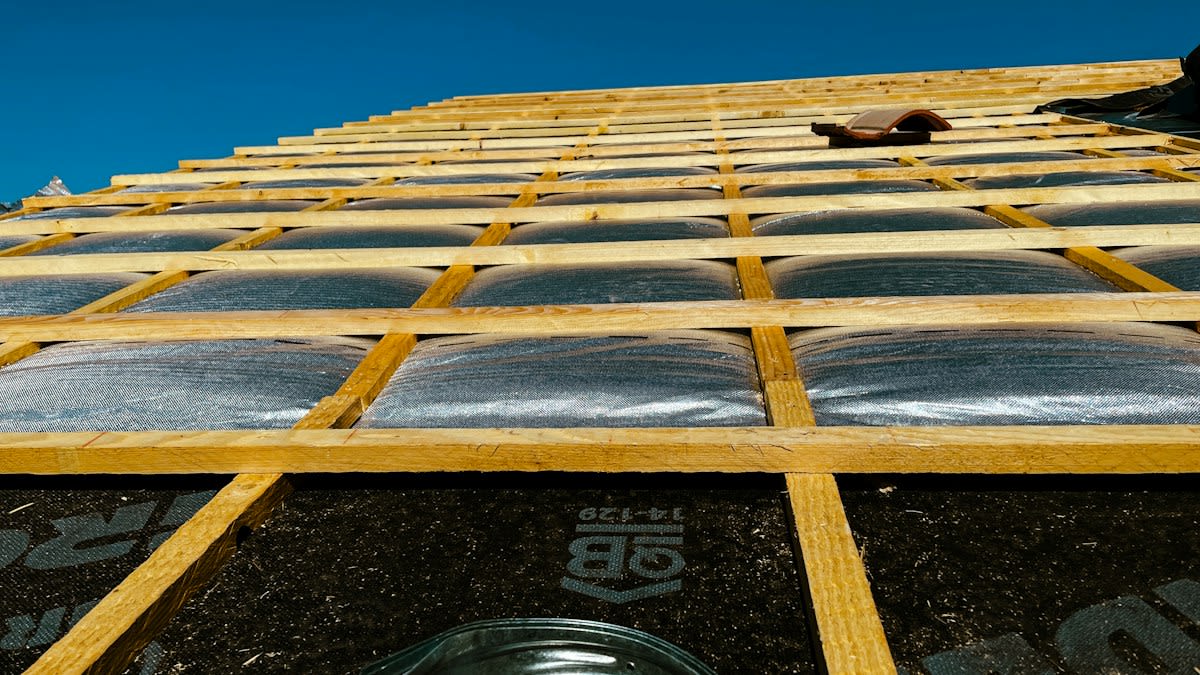
The solution lies in the precision of the seal. Using silicone WRB (Weather Resistant Barrier) to ensure proper window taping is no longer a detail; it is a survival requirement (Source: Phius, 2026). When the barrier is breached, the energy efficiency is siphoned away, and the building reverts to a state of mechanical dependency.
Does this mean the end of active cooling? No. But it means the end of the active-only approach. The trend is toward a hybrid model where fan coils are added as a low-cost way to future-proof against warming temperatures (Source: Phius, 2026). This allows the building to maintain staying power even as the external terrain becomes more hostile.
Fact-Check & Accuracy Note
The data used in this report is derived from the Phius Passive Building datasets and the Passive House Network's 2026 training modules. A key area of academic debate remains the 'cooling load paradox,' where extreme insulation in hot climates can increase the need for active cooling due to internal heat gains. Verifiable sources include the Phius 'Passive Building at 5000+ Feet' case study (2026) and the Passive House Network's climate-specific strategy sessions.
The shift is urgent. As we move further into the decade, the collision between rising temperatures and inefficient building stock will only intensify. The a-symmetry of our current approach—spending billions on bigger AC units while ignoring the envelope—is unsustainable. The only way forward is to rewire the building to act as a filter, not a fortress.