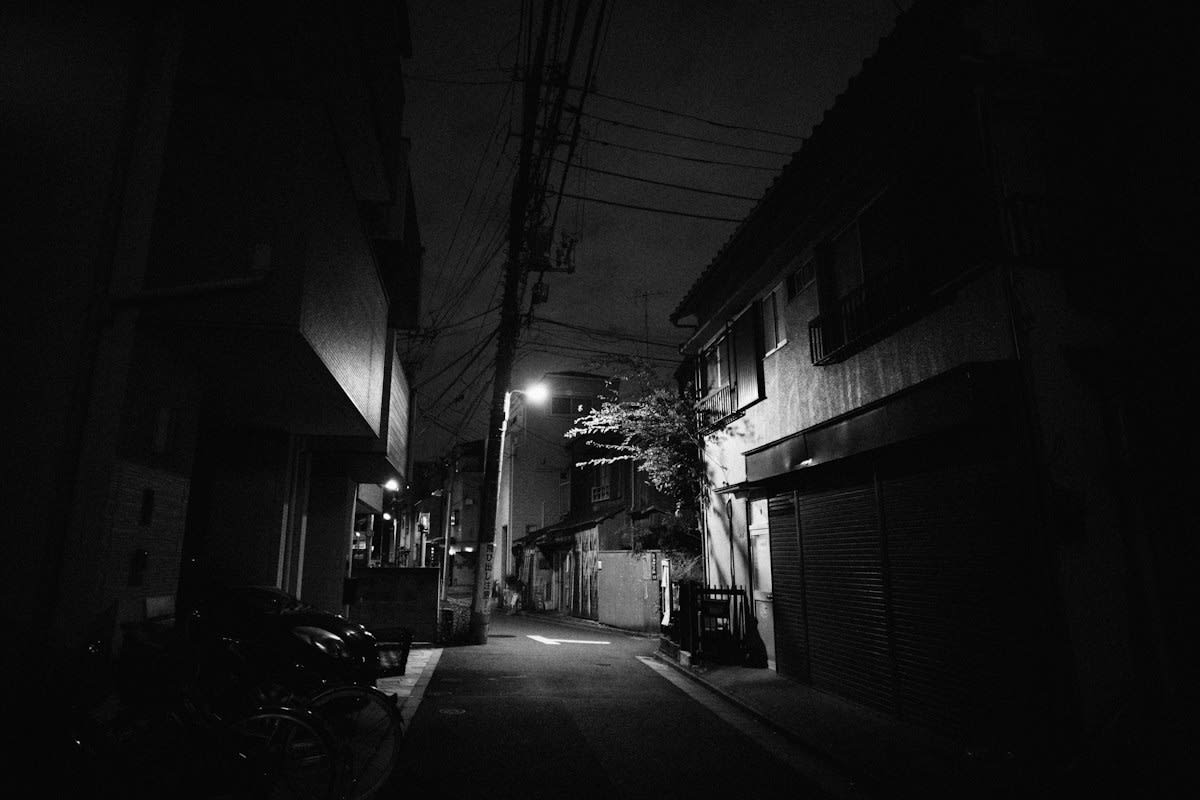
35 homeowners. One book, Living in a Japanese House, documents the struggle for space (Source: Financial Times, 2026). These figures represent more than a design study; they are a census of desperation in a neon-burnt metropolis. In neighborhoods like Daita, the desire for a private sanctuary clashes with the carbon-scored reality of concrete confinement. The result is not a harmony of form, but a series of calculated compromises etched into the soil of a city that never stops pressing inward.
The Myth of Borrowed Scenery
Architects often tout the concept of Shakkei, or borrowed scenery, as a spiritual victory over urban density. This technique attempts to merge the interior of a home with the nature of a neighboring property, treating an external garden as a personal extension (Source: Financial Times, 2026). While presented as a poetic gesture, the skeptical eye sees it as a spatial heist. When your own plot is a calcified sliver of land, borrowing the view of a neighbor is not a design choice—it is a survival mechanism for the psyche.
"An attempt to open up the possibility of living."— Suzuko Yamada, Architect of Daita2019
Yamada's Daita2019 project exemplifies this tension, housing three generations within a restricted footprint (Source: Financial Times, 2026). The design seeks to create a breathable environment where the boundaries between family members and the outside world are blurred. Yet, the friction of three generations sharing a confined plot suggests a grit-toothed endurance rather than a seamless flow. The architecture does not solve the problem of density; it merely dresses the restriction in the clothing of minimalism.
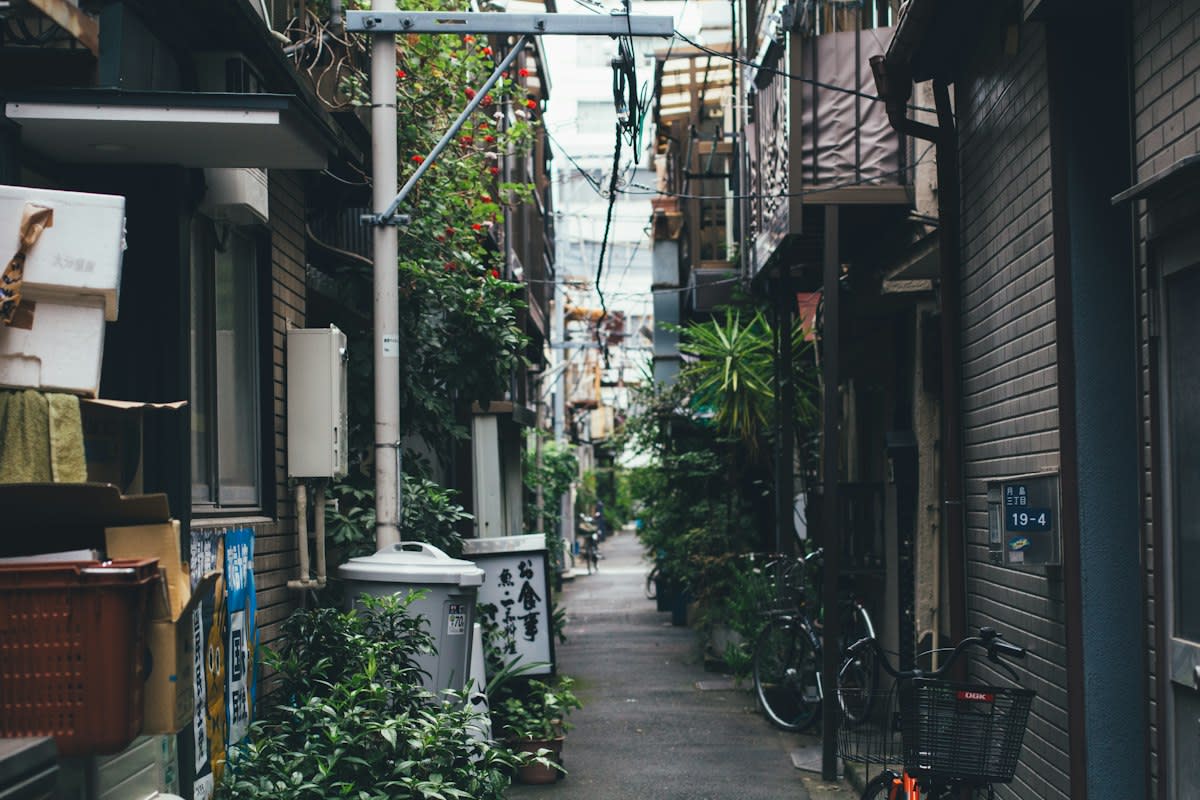
This architectural drive toward the internal void is mirrored in the broader shift of interior zoning strategies. The goal is to connect kitchen, dining, and living areas into a cohesive, functional space, stripping away the walls that once defined Japanese domestic life (Source: YouTube, 2026). By removing these barriers, the home becomes a single, multipurpose chamber. This shift reflects a broader cultural move toward fluidity, but it also signals the death of true privacy in the urban core.
Zoning the Void: Survival vs. Aesthetics
| Design Element | Traditional Shakkei | Modern Minimalist Zoning |
|---|---|---|
| Nature Access | External Borrowing | Internalized Voids |
| Spatial Logic | Open Flow | Functional Segregation |
| Primary Goal | Spiritual Harmony | Density Survival |
| Psychological Effect | Expansiveness | Controlled Isolation |
From a practitioner's perspective, the real friction occurs at the millimeter level. Designing for three generations in a suburb of Tokyo is not about artistic expression; it is a war of attrition over square footage. The debates are not about the philosophy of space, but about where a wall can be pushed back two inches to allow a doorway to close. It is a process of carving out existence from a block of carbon-scored concrete, where every decision is a trade-off between light and privacy.
The sonic environment further complicates this residential struggle. In the high-end art world, sound is a curated tool, as seen in the installations handled by experts like Gabi Vidal-Irizarry, where tall speakers and symmetrical arrangements define the emotional weight of a room (Source: Artnet News, 2026). In the home, however, sound is an intruder. The thin walls of innovative concrete houses often fail to block the grit-toothed noise of the city, turning the intended sanctuary into an amplifier for the urban chaos outside.
Beyond the walls of the home, the whispers of Tokyo extend to the marginalized identities that haunt its edges. The work of Luka Kawabata explores the intersection of language, culture, and the Nikkei and hafu diaspora (Source: Instagram, 2026). This identity work serves as a mirror to the architecture: both are attempts to find a place of belonging in a system that demands a rigid, singular form of citizenship. The diaspora exists in the gaps of the city, much like the borrowed scenery in a Daita home.
The Friction of the External
The illusion of the quiet, innovative sanctuary is frequently shattered by the raw violence of geopolitical reality. In October 2026, Tokyo became the site of official protests after a U.S. Marine, Devin Jacob Ballard, was arrested for the killing and robbing of Anna Yagi in Okinawa (Source: Washington Post, 2026). This event highlights the jagged edge of the Japanese experience: the contrast between the curated, minimal interior of a designer home and the rust-pitted friction of military presence and state-level protests.
This dichotomy defines the Tokyo experience. One side is the ash-streaked pursuit of architectural perfection, while the other is the brine-soaked reality of international conflict and systemic injustice. The protests in Tokyo are not just about a single crime in Okinawa; they are the screams that break through the silence of the minimalist void. The sanctuary is a lie when the state cannot protect its citizens from the violence of its allies.
The Failure Point
The ultimate failure point of this design ethos is the earthquake. In a metropolis where the risk is constant, the minimal concrete structures that define modern innovation are under permanent threat (Source: Financial Times, 2026). The very materials used to create a sense of permanence—raw concrete and timber frames—are subject to the violent whims of the earth. When the ground shifts, the borrowed scenery vanishes, and the functional zoning becomes a trap.
Furthermore, the psychological toll of living in a high-density, high-stress environment cannot be mitigated by a well-placed window. The attempt to merge three generations into a single, innovative plot often leads to a calcified social structure where boundaries are ignored and tension is internalized. The architecture succeeds in saving space, but it fails to save the inhabitants from the crushing weight of proximity.
Fact-Check & Accuracy Note
The reported arrest of Devin Jacob Ballard on October 4, 2026, for the murder of Anna Yagi in Okinawa triggered an immediate official protest from Tokyo (Source: Washington Post, 2026). This confirms the volatility of the U.S.-Japan security relationship despite the polished facade of diplomatic cooperation.
Editorial Note
This report avoids the sanitization of urban design. While architectural journals praise the efficiency of homes like Daita2019, this analysis focuses on the systemic pressures—economic, geopolitical, and seismic—that force such designs into existence.