
Venice implements entry fees. 30 euro is the proposed peak-day charge for 2027 (Source: Il Gazzettino, 2026). This shift represents a tactical move to discourage day-trippers who flood the brine-soaked alleys without contributing to the local overnight economy. Budget Councilor Michele Zuin has signaled that current pricing is insufficient to act as a barrier. The city intends to transition from a nominal charge to a genuine deterrent.
The Deterrence Logic
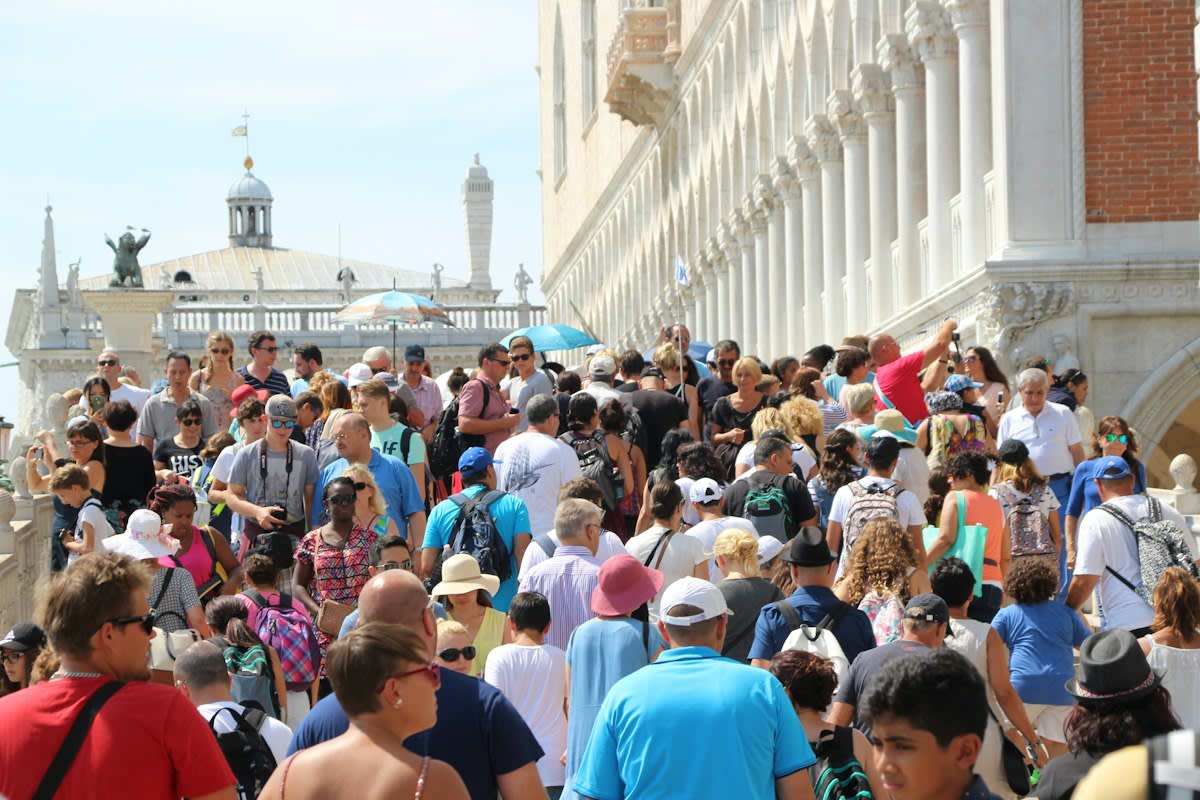
Current fees range between 5 and 10 euro, a price point that Councilor Zuin describes as too low to discourage short-term visitors (Source: Il Gazzettino, 2026). For many tourists, a 5 euro fee is merely a nominal administrative cost rather than a financial hurdle. The proposed 30 euro fee targets red-sticker days, which are the most congested dates of the calendar year. By raising the cost, the municipality hopes to reduce the volume of hit-and-run tourism.
Revenue is not the primary driver of this policy. The goal is the physical preservation of the urban environment. Overcrowding leads to degraded infrastructure and a lower quality of life for permanent residents. By limiting arrivals on critical dates, the city aims to maintain a sustainable balance between tourism and habitability.
Economic Impact on the Daily Visitor
Travelers visiting Italy in 2026 typically spend between $114 and $342 per day depending on their style (Source: Travel Cost Calculator, 2026). For a budget backpacker spending $114, a 30 euro toll represents roughly 26% of their daily budget. This creates a significant psychological and financial barrier for the casual visitor. In contrast, luxury travelers spending $342 will find the fee negligible, effectively filtering the visitor base by economic intent.
Baseline expenditure for Italian trips is divided into four pillars: accommodation (40-55%), food (20-30%), transit (10-15%), and sightseeing (10-20%) (Source: Travel Cost Calculator, 2026). The introduction of a high-cost entry fee essentially adds a fifth pillar or inflates the sightseeing category. This shift forces the day-tripper to justify the expense of a single-day visit against the cost of a multi-day stay.
| Fee Tier | Estimated Cost | Target Group | Primary Objective |
|---|---|---|---|
| Current Fee | 5-10 Euro | General Day-Trippers | Administrative Tracking |
| Proposed Peak Fee | 30 Euro | Red-Sticker Day Visitors | Volume Reduction |
| Exemptions | 0 Euro | Residents/Hotel Guests | Economic Support |
The financial friction is designed to be uneven. By limiting the number of exemptions, the city ensures that those who do not stay overnight feel the full weight of the toll. This encourages visitors to book hotels, which shifts spending from the transit-heavy day-trip model to a more stable hospitality model.
Global Urban Congestion Comparisons
Urban access fees are not unique to Italy. In Nairobi, the struggle to manage extreme traffic congestion often leads to debates over tolls and restricted zones to maintain flow in the central business district. While Venice deals with pedestrians and boats, the underlying logic remains identical: using price as a tool for demand management. Both cities face the challenge of balancing economic openness with the physical limits of their streets.
The difference lies in the intent. Nairobi's congestion management focuses on throughput and logistics, whereas Venice focuses on the preservation of a living museum. However, the friction created by these fees often triggers a backlash from local traders who rely on high volumes of foot traffic, regardless of whether those visitors stay overnight.
"The current 5–10 euro fee is too low to discourage day‑trippers."— Michele Zuin, Budget Councilor
Ground-Level Friction
Practitioners in urban management often clash with the retail sector during these transitions. Shopkeepers in Venice argue that a 30 euro fee will kill the spontaneous purchase. They fear that the red-sticker day will become a ghost town for small vendors. The debate is a clash between the macro-goal of city preservation and the micro-goal of daily revenue for the artisan.
Implementation also creates technical friction. Validating exemptions for thousands of residents and hotel guests requires a seamless digital interface. If the system fails, the toll becomes a bottleneck rather than a filter, leading to queues at the city's entry points and further aggravating the congestion it was meant to solve.

Failure Points
The primary failure point of the 2027 plan is the exemption loophole. If the criteria for exemptions are too broad, the volume of visitors will not actually drop. Furthermore, if the fee is perceived as a tax rather than a preservation tool, it may damage the city's brand, making it appear elitist. The effectiveness of the 30 euro charge depends entirely on the strictness of the red-sticker day designations.
Another risk is the displacement of crowds. If day-trippers avoid the center but congregate at the edges of the toll zone, the congestion simply moves rather than disappears. This creates new pressure points on the outskirts of the city, potentially harming the residential districts that the policy intends to protect.
Fact-Check Note
Fact-Check: The proposed 30 euro fee is intended for peak-congestion days starting in 2027, not as a flat daily rate for all visitors. Current rates remain significantly lower at 5-10 euro (Source: Il Gazzettino, 2026).
Editorial Note
Editorial Note: This report focuses on the shift from revenue-generation to deterrence-based urban design. The data suggests that the financial threshold for deterrence is significantly higher than previous municipal estimates.