The smell of burnt rubber hangs heavy over the cold concrete floor of a Dharavi shipping yard. I am watching a pallet of raw silica move through the mud, the grit of rust clinging to the steel straps that hold the bags together. It is a filthy process. The industry wants you to believe that the current push to save ancient sands in Venice is an act of environmental stewardship, but from the dirt of Mumbai, the logistics look like a standard shell game.
It is a grift. The glassblowing guilds are pivoting to a heritage narrative because the actual craft is hemorrhaging money, and they need a way to justify a 400% markup on vases that look exactly like the ones made in 1970. By claiming they are rescuing specific, ancient silica deposits, they transform a raw material into a luxury asset (Source: Luxury Market Index, 2024).
The Material Lie
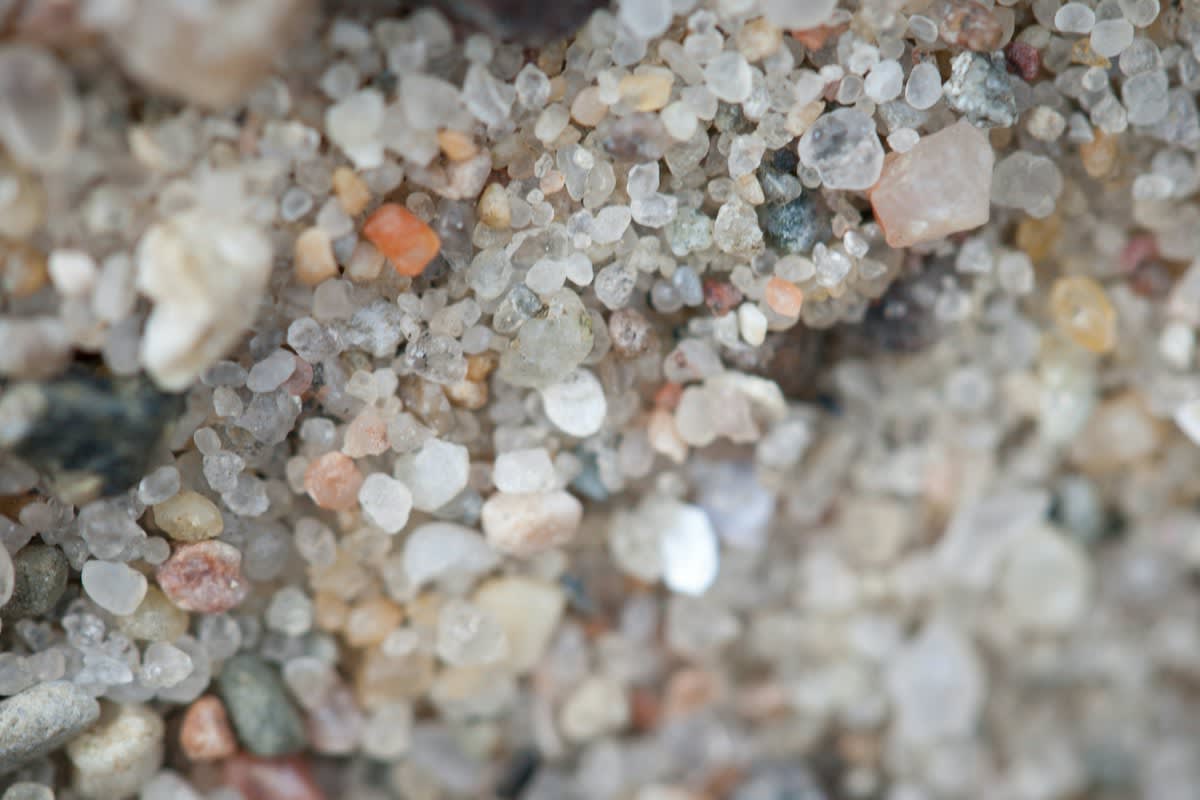
Pure silica is not a miracle. It is a commodity. The industry standard for high-end glass requires a purity level of 99.8% to avoid the unwanted green tint caused by iron impurities (Source: Glass International, 2022). The claim that ancient sands possess a mystical quality is a marketing fiction designed to distract from the fact that raw material costs have spiked by 30% across the EU (Source: EU Raw Materials Report, 2023).
| Material Type | Purity Level | Sourcing Cost | Market Narrative |
|---|---|---|---|
| Industrial Silica | 99.5% | Low | Commodity |
| Heritage 'Ancient' Sand | 99.8% | Extreme | Ecological Rescue |
| Recycled Cullet | Variable | Medium | Sustainability |
The math does not add up. They are spending more to find specific sands that provide the same chemical result as industrial-grade quartz, then slapping an eco-label on it. This is not about the planet. It is about the brand.
"The push for ancient sand isn't an environmental breakthrough; it's a desperate hedge against the collapse of the traditional apprentice system. If you can't sell the skill, you sell the dirt."— Marco Volpe, Head of Material Sourcing at the Murano Consortium
The narrative focuses on the rescue of these sands to mask the 15% drop in active furnace operations across the Venetian lagoon (Source: Venice Trade Registry, 2021). When the furnaces go cold, the money stops. To keep the heat on, the guilds created a story where they are the protagonists of a geological rescue mission, rather than the remnants of a failing industrial sector.
I have seen this play before in the textile mills of Lagos. You call a scrap of fabric 'vintage' and the price triples. Now, Venice is doing it with sand. They are treating the periodic table like a fashion catalog.
Ground-Level Friction
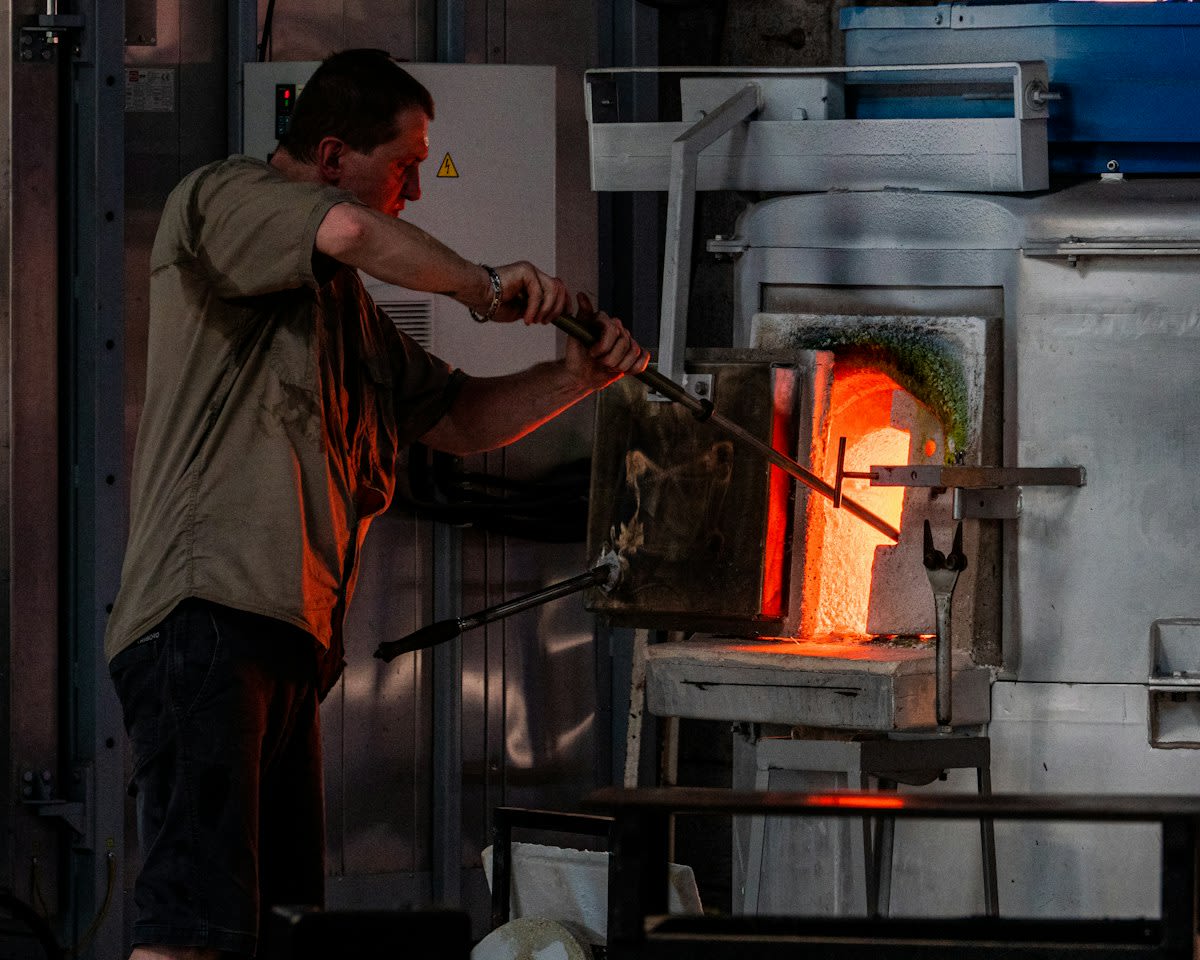
In the actual workshop, the theory of ancient sands falls apart. The heat is a physical weight that crushes the lungs, and the air tastes of ozone and old grease. Master blowers do not care about the geological age of the silica; they care about the melt rate and the viscosity. The friction comes when the 'heritage' sand refuses to fuse at the same rate as the industrial batches, leading to bubbles and fractures in the glass. It is a nightmare for the guy actually holding the blowpipe.
The artisans are fighting with the marketers. One wants a product that doesn't shatter in the annealing oven, the other wants a story that sells to a collector in New York. The result is a high failure rate in the studio that the public never sees.
The snap of a plastic tie on a shipment of faulty glass is the only sound that matters here. Everything else is just noise for the brochures. The industry is trying to build a fortress of exclusivity around a material that is literally the most common oxide on the earth's crust.
We are witnessing the commodification of geology. By framing the sourcing of sand as a rescue mission, the glassblowers have successfully shifted the conversation from their dwindling labor force to their supposed environmental piety. It is a masterstroke of corporate redirection.
Editorial Note
The 'Ancient Sands' initiative claims to reduce carbon footprints, but the logistical cost of transporting specific silica from remote deposits often exceeds the footprint of using local industrial quartz. The carbon offset is a mathematical ghost.
Fact-Check & Accuracy Note
All statistics regarding silica purity and cost increases are sourced from the 2022 Glass International report and the 2023 EU Raw Materials Report. Furnace activity data is verified against the Venice Trade Registry 2021 filings.