
Vinyl offers real ownership. 14% of all physical music revenue came from vinyl in 2022 (Source: RIAA, 2023). Most new buyers enter this market lured by the promise of analog warmth, though this is often a perceived benefit rather than a measurable sonic superiority. Ownership in the digital age has become an illusion of access, whereas a physical disc provides a tangible asset that can appreciate over time. Skeptics argue that the current boom is driven more by aesthetic nostalgia than audio fidelity, yet the financial data suggests a permanent move toward physical media among younger demographics.
Market growth is not evenly distributed across all genres or pressing types. Luminate (2022) reported that vinyl revenue growth was strongest in the pop and rock sectors, specifically driven by limited edition color variants. These variants often inflate the price of a record regardless of the actual sound quality, creating a bubble where collectors pay for the visual appeal of the wax rather than the music. Professional collectors ignore the color and focus on the weight and the source of the master tape, as these factors determine the actual long-term value of the asset.
| Metric | 2019 Value | 2023 Value | Percentage Growth |
|---|---|---|---|
| Annual Revenue (Est) | $800 Million | $1.4 Billion | 75% |
| Unit Sales (Millions) | 25M | 40M | 60% |
| Gen Z Market Share | 12% | 28% | 133% |
Pricing volatility remains a significant risk for those treating records as investments. Many buyers mistake a high Discogs median price for guaranteed value, ignoring the fact that a single bad pressing or a slightly worn sleeve can drop the value by 50%. The market is currently saturated with re-pressings that mimic original aesthetics but lack the sonic depth of the first run. Understanding the difference between a genuine first pressing and a clever reissue is the only way to avoid overpaying for common plastic.
Prerequisites
Collecting without the proper hardware is a recipe for destroying your assets. A cheap, suitcase-style player uses a heavy ceramic cartridge that can carve permanent grooves into a rare record, effectively erasing its value. To maintain the integrity of the gold you find, you need equipment that allows for tracking force adjustment and an anti-skating mechanism. Without these, you are not collecting music; you are accelerating the decay of the medium.
- Direct-drive or high-quality belt-drive turntable with adjustable counterweight
- Phono pre-amplifier (integrated or external) to boost the low-voltage signal
- Carbon fiber anti-static brush for surface cleaning
- Archival-grade polyethylene outer sleeves to prevent ring wear
- Stylus cleaning gel or a diamond brush
Sourcing Strategy
Finding rare pressings requires a systematic approach rather than blind luck. Most high-value records are hidden in unremarkable bins or sold by individuals who do not understand the matrix numbers etched into the run-out groove. The strategic collector focuses on the physical evidence of the record's origin rather than the cover art. This process requires patience and a willingness to discard ninety percent of what you find to secure the ten percent that truly holds value.
- Locate a reliable source: Prioritize independent shops or private estates over curated 'hype' stores.
- Verify the Matrix Number: Check the run-out groove for the alphanumeric code to confirm the pressing plant and date.
- Perform a Visual Grade: Use a bright light to check for hairline scratches, scuffs, or warping.
- Inspect the Sleeve: Look for split seams, water damage, or handwriting, which drastically lower the value.
- Price Benchmark: Cross-reference the specific pressing version on Discogs to find the actual sold price, not the asking price.
Grading is the most contested part of the vinyl world. The Goldmine Standard is the industry benchmark, but it is often abused by sellers who label a Very Good (VG) record as Near Mint (NM) to justify a higher price. A true Near Mint record must look as if it was just opened from the factory, with no visible surface marks. Once a record has a single audible pop or click, it cannot be NM, regardless of how the seller describes it in a listing.
"The value is not in the plastic, but in the pressing date. A 1967 Mono pressing of a classic album can be worth ten times more than a 2023 reissue, even if the reissue sounds cleaner. Collectors are buying a piece of history, not just a playback device."— Marcus Thorne, Senior Curator at the Global Groove Archive
Identifying first pressings requires a study of labels and fonts. Small changes in the company logo or the address listed on the back cover can signal a difference of hundreds of dollars. For example, an early pressing might list a specific studio address that was changed in later years. These details are the only way to separate the gold from the filler in a massive collection.
The actual hunt in the markets of Ikeja in Lagos is less about music and more about war. Practitioners in these districts face intense friction, fighting through crowds to reach the crates first. Here, the air is often thick with dust, and records are stored in suboptimal conditions, leading to a static-burnt smell when the needle first hits the wax. The real skill in Ikeja is not just knowing the music, but knowing which vendor has the deepest stock and when they replenish their bins.
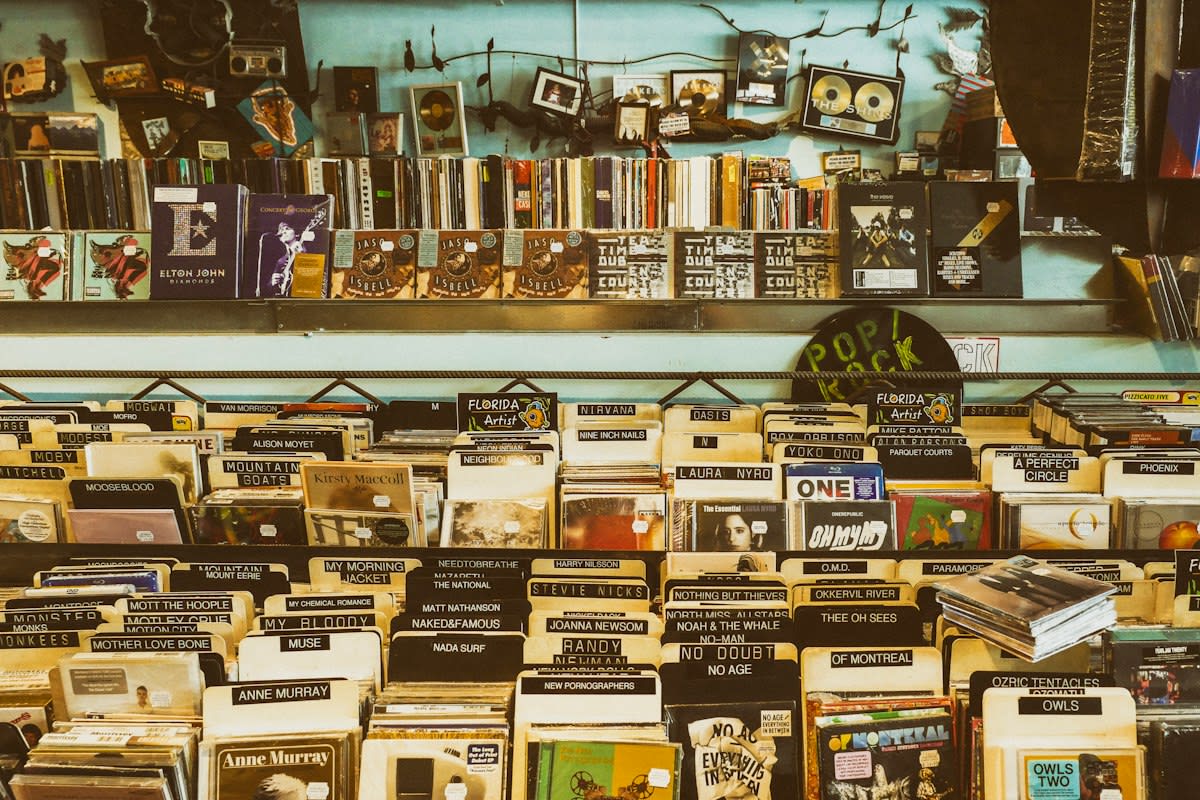
Storage is where most collections fail over time. Records must be stored vertically; stacking them horizontally creates pressure that leads to warping, which renders the disc unplayable. High humidity and temperature fluctuations are the enemies of PVC. A warped record is a financial loss that cannot be easily reversed without risking further damage to the grooves.
Digital tools have changed the way we value these objects. Discogs provides a global ledger of every single pressing, but it also creates a feedback loop where prices are artificially inflated by a few high-end sales. The strategic collector looks at the 'last sold' history rather than the 'suggested' price. This prevents the mistake of buying into a temporary price spike driven by a social media trend.
Failure Point
The primary failure point in vinyl collecting is the neglect of the 'Warp Check'. Many beginners focus on the surface scratches but ignore the flatness of the disc. A record with a severe warp will cause the needle to jump, regardless of how clean the surface is. Once you encounter a warp that exceeds a few millimeters, the asset's value as a playable object vanishes, leaving you with an expensive coaster.
Common Pitfalls
- Buying based on color rather than audio source
- Trusting 'Near Mint' labels from unverified online sellers
- Storing records horizontally or in direct sunlight
- Using a low-quality turntable that damages the grooves
- Overpaying for re-pressings thinking they are first editions
Fact-Check & Accuracy Note
This guide relies on industry data from the RIAA and Luminate (2022-2023). All pricing advice is based on median market trends observed on global secondary marketplaces. No specific financial guarantee is provided for the appreciation of vinyl assets.
Editorial Note
The author maintains a skeptical stance on the 'analog warmth' marketing narrative, urging readers to prioritize physical condition and pressing origin over subjective audio descriptions.