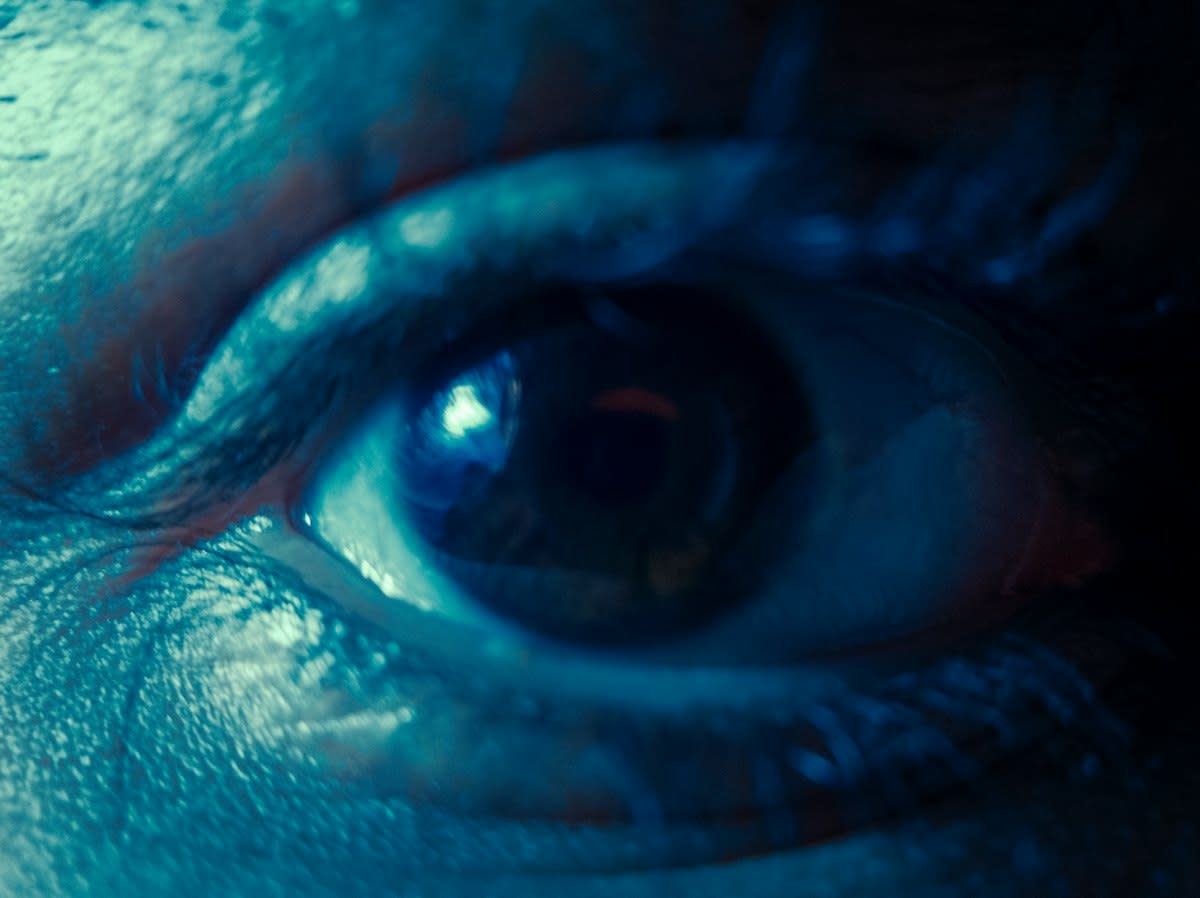
Perfect pixels are a tell. When a digital render lacks the chaotic entropy of a real-world lens, the human brain triggers an immediate rejection response that no amount of resolution can override. This is the authenticity gap. Do you trust your renders? Most artists rely on software defaults that scrub away the very imperfections that signal truth to the human brain. Stop the cleaning.
The Mechanics of Rejection
The eye knows. When a digital skin tone lacks the subsurface scattering of actual human flesh, the viewer feels a visceral repulsion that no 8K resolution can fix. This is the Uncanny Valley effect. According to research on human perception, the brain detects a mismatch between the perceived category of an object and its actual movement or texture (Source: IEEE Xplore, 2021). Why does this happen? We evolved to detect microscopic anomalies in facial symmetry to judge health and trust. A render that is too clean becomes a biological warning sign.
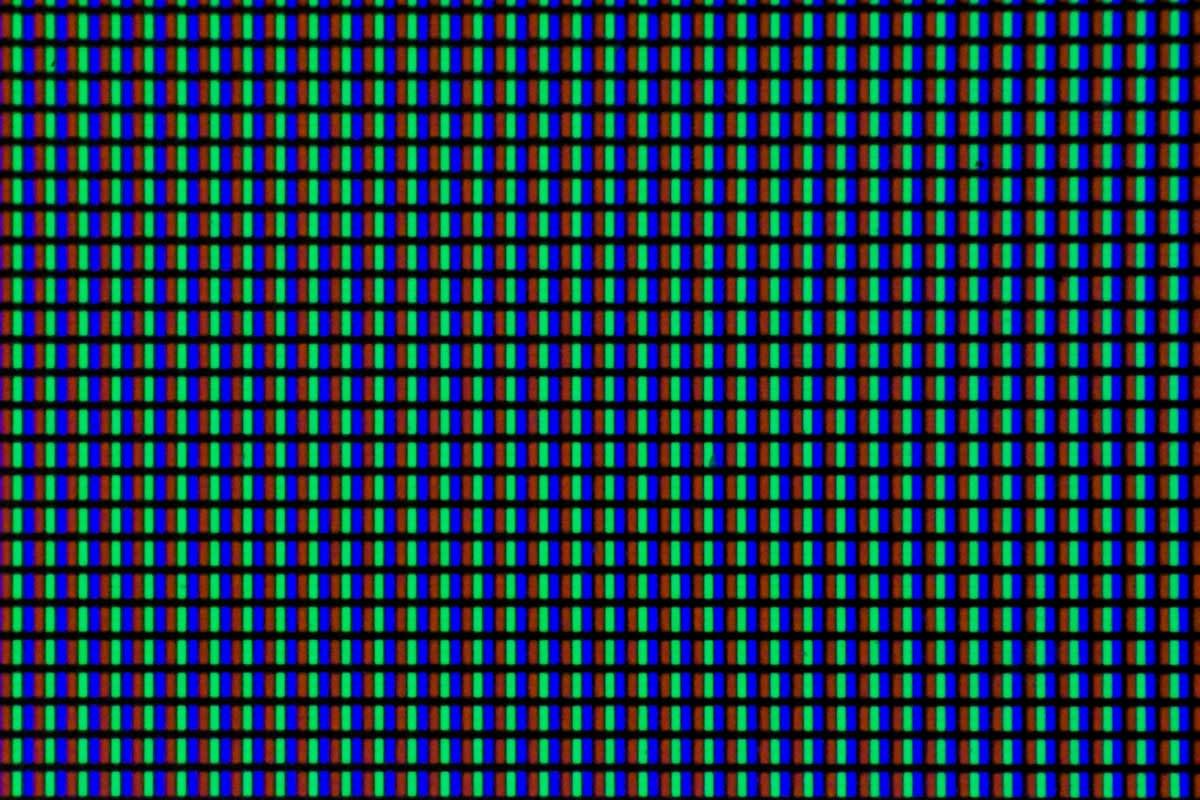
Entropy is truth. In the high-pressure environments of Seoul's virtual idol industry, designers often over-smooth skin textures to meet local beauty standards, yet this creates a mechanical failure in global markets where authenticity is weighted higher than perfection (Source: Korea Creative Content Agency, 2022). The result is a visual void. The image looks like plastic because it lacks the micro-pores and uneven pigmentation of a living organism.
Prerequisites for Authenticity
You cannot fake truth without the right tools. Before attempting to fix an authenticity failure, you must move beyond the standard software presets. Most artists fail because they treat noise as a post-process additive rather than a fundamental property of the light capture. You need a deep understanding of the physical terrain of your chosen medium.
- Raw sensor noise profiles from the specific camera used in the plate
- A calibrated HDR monitor capable of displaying true black levels
- Subsurface scattering maps based on actual biological dermis data
- Chromatic aberration profiles from vintage glass lenses
- A reference library of non-Western skin tones and textures
Light is a weapon. If your light source is a mathematical point rather than a physical area, the shadows will be too sharp. This creates a sterile environment. Real light bounces, bleeds, and degrades as it hits surfaces. You must simulate the decay of the photon.
The Recovery Protocol: 4 Steps to Restore Truth
- Audit the Symmetry: Locate every perfectly mirrored element in your composition and introduce a 2-5% variance in scale, rotation, or texture. Human faces and nature are never symmetrical; perfection is the first signal of a fake.
- Layer the Entropy: Instead of adding a global noise filter, apply noise in layers. Start with low-frequency luminance shifts, add mid-frequency grain, and finish with high-frequency sensor noise based on the ISO of your reference plate (Source: American Cinematographer, 2020).
- Inject Optical Imperfection: Add subtle chromatic aberration at the edges of the frame and a slight lens blur that mimics the physical depth of field. A perfectly sharp image across the entire plane is a mathematical impossibility in real-world optics.
- Calibrate the Weight: Ensure every digital object interacts with the environment through occlusion and ambient contact shadows. If an object does not seem to displace the air or press into the surface beneath it, the brain registers a float, causing an immediate authenticity failure.
The process is iterative. You must step away from the screen for ten minutes to reset your visual baseline. When you return, the errors will jump out at you. Do not trust your first pass.
"The goal of a visual artist is not to create a perfect image, but to create a believable one. The moment the viewer notices the effort spent on perfection, the authenticity is lost."— Masahiro Mori, Professor and Theorist of the Uncanny Valley
The Grain War: Practitioner Frictions
Internal studio disputes often center on the Grain War. The Technical Director demands an 8K clean plate to ensure maximum flexibility in post-production, while the Creative Director insists on adding heavy film grain to hide the mechanical failure of the CGI. This creates a tug-of-war where the colorist eventually strips the grain to 'clean' the image, accidentally deleting the only thing making the render believable. I have seen million-dollar shots ruined because a junior artist thought a 'clean' image was a 'better' image. They forgot that in the real world, nothing is clean.

Consider the Nigerian film industry, Nollywood. Early digital transitions suffered from a saturation of brightness and a lack of shadow depth, making scenes feel like soap operas rather than cinema (Source: African Cinema Journal, 2018). This was not a lack of talent, but a default setting in the hardware. The hard turn toward authenticity happened when cinematographers began intentionally degrading the digital signal to mimic the weight of 35mm film.
Common Pitfalls
Over-correcting is a danger. If you add too much noise, the image looks like a corrupted file rather than a real photograph. You must find the equilibrium between the sterile and the distorted. Most failures occur when the artist treats authenticity as a filter rather than a foundation.
- Using a single noise layer for the entire image
- Ignoring the physics of light bounce in corners
- Creating perfectly smooth gradients in the sky
- Neglecting the micro-jitter of handheld camera movements
- Applying the same texture to every surface in a scene
Fact-Check & Accuracy Note
This guide relies on the psychological principles of the Uncanny Valley and established cinematography standards from the American Society of Cinematographers (ASC). Academic debate continues regarding the 'Turing Test for Visuals,' specifically whether AI-generated imagery can ever fully bypass human detection without the intentional introduction of human-like error.
Truth is messy. The most successful images are those that embrace the fray of the real world. Stop chasing the perfect pixel and start chasing the perfect mistake.