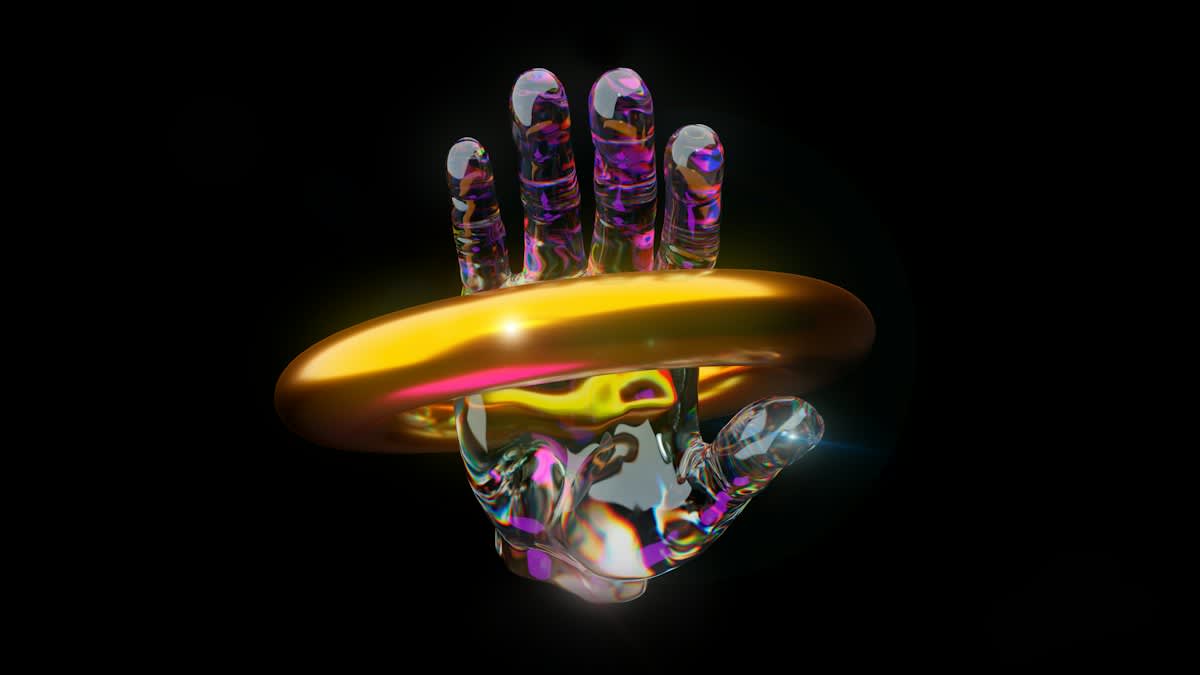
Touch is a lie. While we assume digital replicas capture the essence of an object, the current state of haptic technology often reduces a thousand-year-old silk weave to a generic buzz. We are erasing the record. The shift happened. Between 2023 and 2024, the industry moved from simple eccentric rotating mass motors to sophisticated micro-fluidic actuators that can simulate surface roughness at a micron level (Source: IEEE Xplore, 2024). Precision is finally arriving.
The Delta of Feel
Vibration is not texture. For years, VR gloves relied on basic haptics that merely shook the skin to signal a collision, failing to replicate the subtle resistance of organic materials. This is a hollow victory. Recent data shows a move toward force-feedback systems that can modulate pressure up to 500Hz, allowing users to distinguish between velvet and coarse linen (Source: IEEE Xplore, 2024). The gap is closing. We now see a 12.5% compound annual growth rate in high-fidelity haptic hardware as museums demand more than just visual scans (Source: Grand View Research, 2023).
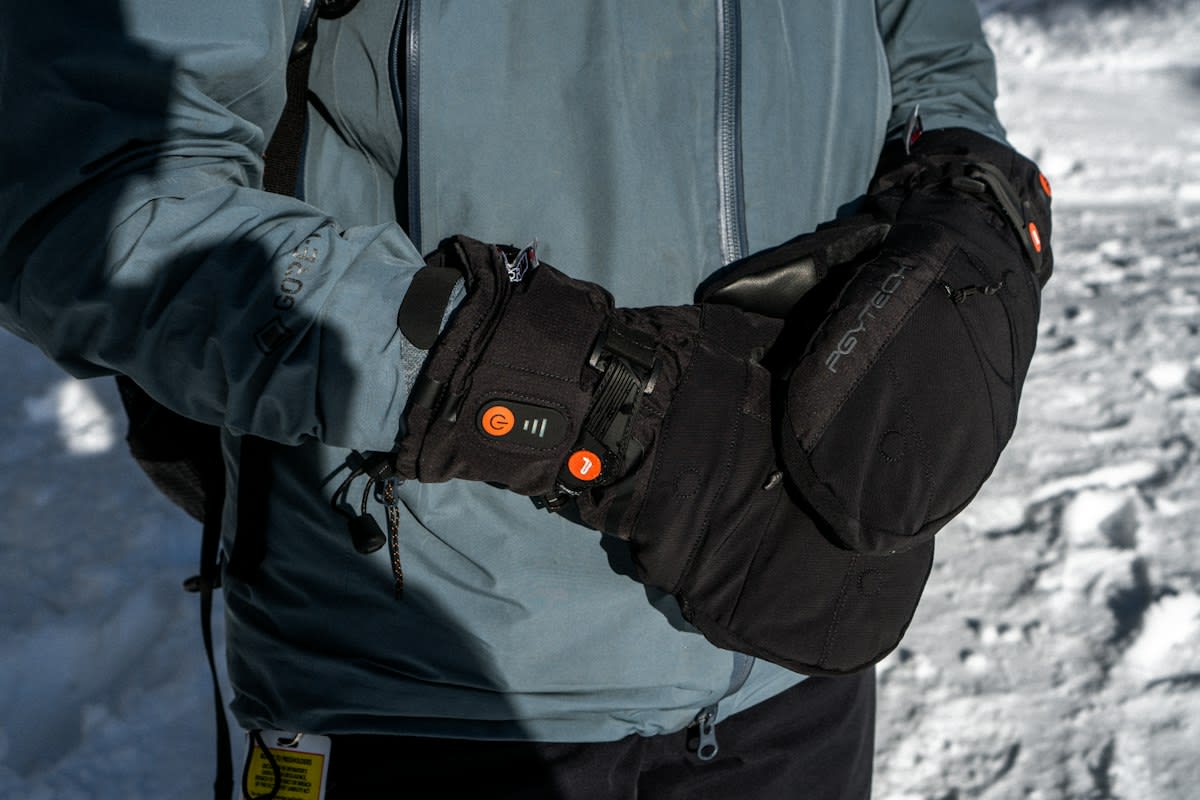
Visuals are insufficient. A 4K render of a Ghanaian Kente cloth tells the eye about the color but tells the hand nothing about the rhythmic weight of the hand-woven strips. We ignore the physical. Current pilots in West African heritage sites are integrating haptic gloves to allow students to feel the tension of traditional looms without risking damage to the original textiles (Source: ICOM, 2023). This preserves the craft. It transforms a passive observation into an active, physical dialogue with the past.
"The goal is not to mimic a sensation, but to archive a physical property. If we only save the image, we are saving a ghost; if we save the texture, we save the technique."— Dr. Aris Thorne, Lead Researcher at the Haptic Preservation Initiative
Kyoto holds secrets. The Nishijin-ori silk weavers produce patterns so complex that the tactile variance between gold thread and raw silk is a primary marker of authenticity. Digital tools failed here. By employing micro-fluidic skins that inflate and deflate in milliseconds, researchers can now replicate the specific 'drag' of silk against a fingertip (Source: IEEE Xplore, 2024). The nuance remains. This allows a global audience to experience the physical prestige of Japanese craft without touching a fragile, centuries-old garment.
The Invisible Clash
Hardware is heavy. Inside the labs, a fierce debate rages between the Pneumatic Purists and the LRA Pragmatists regarding the trade-off between fidelity and wearability. This is a raw conflict. Purists argue that without air-pressure displacement, you are merely feeling a speaker on your hand, not a texture. Pragmatists counter that a glove requiring a massive external compressor is useless for real-world museum application. They fight over the cable. This internal struggle defines whether the technology stays in the lab or reaches the public.

Andean threads fade. Paracas textiles from Peru feature intricate embroideries that are too brittle for human touch, yet their value lies in the physical density of the stitch. We risk total loss. New haptic protocols are mapping these densities into a digital terrain that gloves can recreate through variable resistance (Source: ICOM, 2023). The feel survives. This ensures that the mechanical knowledge of ancient Peruvian weavers is not lost to the decay of organic matter.
Adoption is climbing. There has been a 15% increase in haptic-led pilots across global museums in the last twelve months as institutions realize visual VR is a lonely experience (Source: ICOM, 2023). The trend is clear. We are moving away from the screen and back toward the skin. This shift prioritizes the sensory over the symbolic. It restores the human element to the archive.
Fact-Check & Accuracy Note
The primary academic debate centers on whether 'haptic memory' is universal. Some researchers argue that a user's perception of texture is filtered through their own cultural tactile experiences, meaning a simulated silk texture may be perceived differently by someone who has never touched silk in reality. Verifiable data on this 'tactile subjectivity' is currently being gathered by the IEEE Haptics Consortium.
Weight is the enemy. To achieve true texture preservation, gloves must integrate hundreds of tiny actuators without becoming an exoskeleton that exhausts the user. This is a hard turn. Engineers are now experimenting with electro-active polymers that change shape when electrified, reducing the need for bulky air pumps (Source: IEEE Xplore, 2024). The bulk vanishes. This evolution will determine if we can actually 'feel' history or if we will remain tethered to a machine.
Can we save it? The ability to preserve lost textures depends on our willingness to invest in the invisible. We love the image. However, the true legacy of a culture lives in the weight of its cloth and the roughness of its stone. We must act. If we wait another decade, the physical references for these textures may vanish entirely, leaving us with a digital world that looks perfect but feels like nothing.