
The Logic of the Loom
Textiles are not merely clothing; they are the earliest hard drives of human civilization. From the Nile Valley to the Indus Valley of North-Western India around 2500 BC, weaving evolved alongside the transition from nomadic hunting to communal, food-storing civilizations (Source: UDIT, 2026). By 5000 BC, cotton cultivation and weaving had already reached an advanced stage, creating a medium where data—social status, lineage, and spiritual beliefs—could be encoded into physical patterns (Source: UDIT, 2026). Why does this matter today? Because in an era of digital fragility, the physical weave offers a permanent, offline record that survives when servers fail.
The encoding process is often hidden in plain sight. Consider the triaxial weaving found in mad weave patterns, where complex wallpaper symmetry groups create a visual language that is as much about mathematics as it is about art (Source: Taylor & Francis, 2026). These patterns aren't random decorations. They are specific data sets. When a weaver employs these symmetries, they are utilizing a geometric cipher that can convey community identity or historical events without writing a single word. The challenge for the modern practitioner is maintaining the integrity of this code against the pressure of mass production.
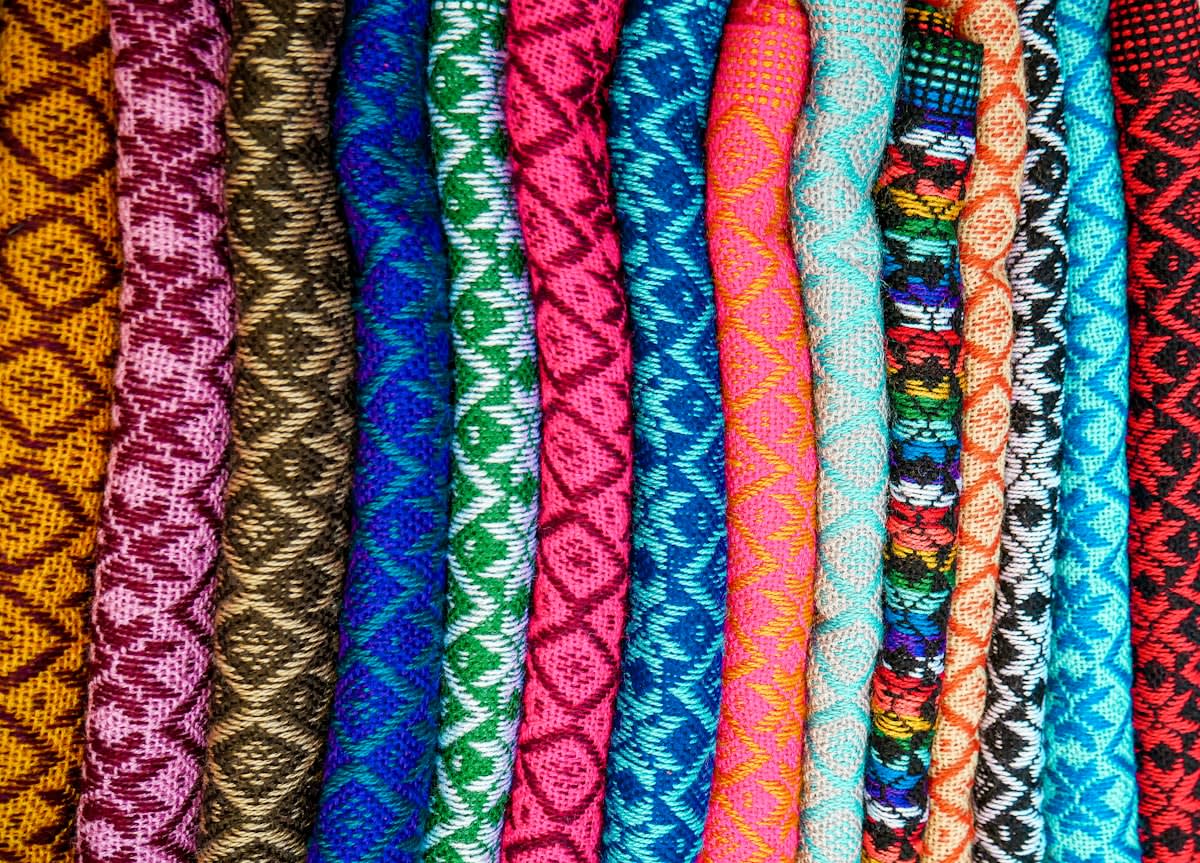
However, this encoding is under threat from what some call the weaponization of tradition. We see this when contemporary designers strip a textile of its provenance to serve a modern aesthetic. A recent flashpoint occurred when designer Francis Libiran used inaul—a textile deeply associated with the Maguindanaon and Iranun communities—to create a skin-tight bustier, claiming to make the heritage dangerous and modern (Source: radar.ph, 2026). The Bangsamoro Commission for the Preservation of Cultural Heritage (BCPCH) objected, noting that such portrayals diminish the cultural significance of the weave (Source: radar.ph, 2026). This is where the data is lost: when the 'how' and 'why' of the weave are discarded for the 'look' of the garment.
"I didn’t preserve tradition. I weaponized it. Filipino heritage, but make it dangerous. Make it modern. Make it LIBIRAN."— Francis Libiran, Fashion Designer
The tension between creative freedom and cultural preservation is the primary friction point for anyone working in this field. The real struggle isn't in the weaving itself; it's in the argument over who owns the code. When a designer claims to modernize a textile, they often strip away the metadata—the specific meaning of a weave—leaving a hollow shell. This is the ugly reality of the industry: a constant battle between aesthetic innovation and the preservation of ancestral records that can't be recovered once the original pattern is broken.
Prerequisites for Heritage Encoding
Before attempting to encode or preserve data within a textile, you need more than just a loom. You need a foundational understanding of the material's history and the technical specifications of the weave. Without these, you aren't encoding data; you're just making fabric.
- Technical Knowledge: Mastery of triaxial weaving or specific symmetry groups to ensure data consistency (Source: Taylor & Francis, 2026).
- Material Authenticity: Access to original silk and wool threads, as modern reweaving can destroy the academic and historical value of a piece (Source: World Art News, 2026).
- Chemical Records: Authentic dye recipes, such as those found in 19th-century guides for Anatolian hemp mats (Source: Ceremonial Weaving, 2026).
- Provenance Documentation: A rigorous history of ownership and origin to validate the data encoded in the textile (Source: World Art News, 2026).
- Metadata Frameworks: An understanding of decolonial digital preservation to avoid outsourcing cultural memory to foreign servers (Source: MDPI, 2026).
The material choice is non-negotiable. In the world of museum-quality antique European tapestries, the distinction between original threads and modern reweaving is what dictates the work's value (Source: World Art News, 2026). If you replace a 17th-century silk thread with a synthetic polyester, you haven't just fixed a hole; you've deleted a piece of the historical record. The physical substance is the medium for the data.
The Implementation Process
Encoding data into a textile requires a disciplined approach that bridges the gap between ancient craft and modern data management. Whether you are preserving a traditional pattern or creating a new encrypted weave, the following steps ensure the information remains retrievable and authentic.
- Define the Metadata: Determine what information needs to be encoded. This could be a specific community marker, a date, or a lineage record. Refer to historical guides—like those containing 35 specific weaving patterns—to ensure the markers are authentic (Source: Ceremonial Weaving, 2026).
- Map the Symmetry: Use triaxial weaving or specific wallpaper symmetry groups to embed the data into the structure of the cloth. This ensures that the 'secret' is integrated into the geometry of the piece rather than just being a surface-level image (Source: Taylor & Francis, 2026).
- Execute with Material Integrity: Use period-accurate dyes and fibers. Avoid the temptation to use 'easier' modern materials, which erodes the provenance and academic value of the record (Source: World Art News, 2026).
- Establish a Provenance Chain: Document the weaver, the location, and the intent. In the international art market, documented provenance is the only way to distinguish a meaningful cultural record from a decorative object (Source: World Art News, 2026).
- Implement a Decolonial Digital Layer: If digitizing the textile, use metadata regimes that allow for multiple layers of description and community annotation. Avoid reducing cultural divergences to 'errors' to be corrected by centralized platforms (Source: MDPI, 2026).
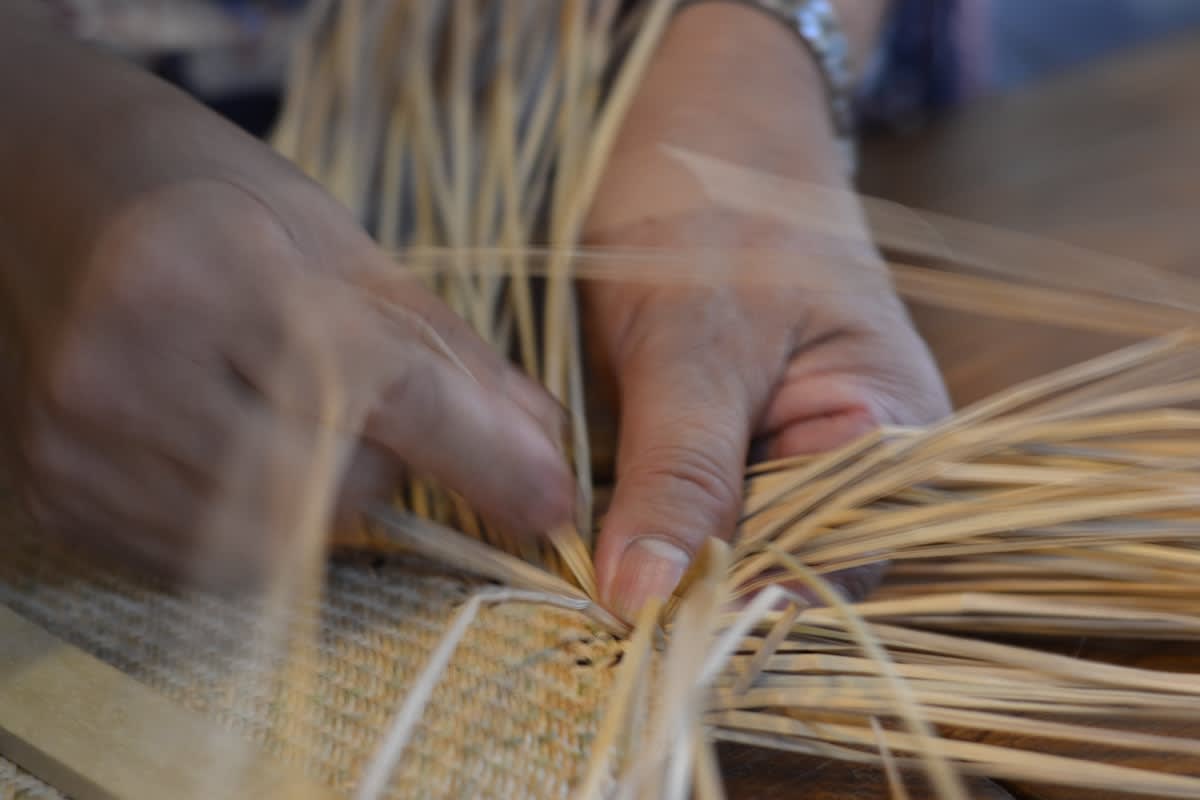
The final step—digital layering—is where most practitioners fail. When museums in the Global South digitize their collections, they often outsource the storage to major platforms in the Global North due to a lack of local resources (Source: MDPI, 2026). This creates a new kind of erasure where the digital version of the textile is governed by foreign metadata regimes. To truly protect the encoded data, you must maintain management environments capable of recording interpretative provenance and parallel fields for community annotation (Source: MDPI, 2026).
Common Pitfalls
Even the most experienced weavers encounter friction. The most common mistakes usually stem from a desire for efficiency or aesthetic appeal over historical accuracy.
- The Modernization Trap: Attempting to make a textile 'modern' by altering patterns, which effectively deletes the encoded cultural data (Source: radar.ph, 2026).
- Material Substitution: Using synthetic fibers that mimic the look of silk or wool but lack the chemical signature required for academic authentication (Source: World Art News, 2026).
- Metadata Reductionism: Using digital archives that force complex cultural histories into rigid, predefined categories, erasing the nuance of the original weave (Source: MDPI, 2026).
- Provenance Gaps: Failing to document the chain of ownership, which renders the textile's 'secret' data unverifiable in a professional or museum context (Source: World Art News, 2026).
Fact-Check & Accuracy Note
The claims regarding the origins of weaving in the Indus Valley (2500 BC) and cotton cultivation (5000 BC) are sourced from UDIT (2026). The technical details on triaxial symmetry are based on Taylor & Francis (2026). The debate over the inaul textile is documented by radar.ph (2026) and the BCPCH. The challenges of digital heritage preservation in the Global South are sourced from MDPI (2026). Ongoing debate exists regarding the balance between artistic evolution and cultural preservation in contemporary fashion.