
Ink-stained bonds rot in steel vaults. The current financial machinery relies on multi-day settlement windows and manual reconciliation processes that bleed efficiency across the fiber-optic rails of global commerce (Source: Chetu, 2026). In the greasy corridors of Lower Manhattan clearing houses, the friction of paper is a tax on every trade. This legacy system demands intermediaries whose sole utility is verifying that a transfer actually occurred, a process that is now being replaced by silicon-etched ledgers.
The Operator's Toolkit: Prerequisites
Success requires specific hardware and logic. You cannot run a tokenized asset on a standard centralized database; you need a decentralized ledger that functions as a single source of truth rather than a series of disconnected, updated silos (Source: Chetu, 2026). This requires a robust understanding of private key management to prevent total asset loss, as these assets are not insured or guaranteed by the Federal Deposit Insurance Corporation (Source: Fidelity Digital Assets, 2026). Access to a high-throughput blockchain network is mandatory to capture the transaction fees that fuel the ecosystem.
- Decentralized Ledger: A non-individual database for transparent ownership tracking.
- Private Key Infrastructure: Secure storage for the only keys that can move the asset.
- Smart Contract Code: The silicon-etched logic that automates the transfer of ownership.
- Liquidity Rails: A network capable of handling 24/7 market activity (Source: Morgan Stanley, 2026).
- Compliance Layer: Tools to ensure the tokenized asset meets jurisdictional laws.
Execution: The Tokenization Process
Execution begins with asset classification. The operator must determine if the asset is physical—such as real estate or a government bond—or digital from inception, such as a fund share or a data asset (Source: Chetu, 2026). This distinction dictates the legal wrapper required to link the physical world to the LED-bleached reality of the blockchain. Once the asset is categorized, the operator moves to the coding phase where ownership is symbolized by a token.
- Identify the Asset: Determine if the target is a physical bond or a digital fund share (Source: Chetu, 2026).
- Select the Network: Choose a blockchain where transaction fees benefit the network's native token to optimize value capture (Source: Globe and Mail, 2026).
- Deploy Smart Contracts: Write the code that replaces manual reconciliation and multi-day settlement windows (Source: Chetu, 2026).
- Mint the Tokens: Create the digital symbols of ownership on the decentralized ledger.
- Establish Custody: Implement private key management systems to mitigate the risk of cybersecurity threats (Source: Chetu, 2026).
- Open the Market: List the asset for 24/7 trading to provide investors with new portfolio opportunities (Source: Morgan Stanley, 2026).
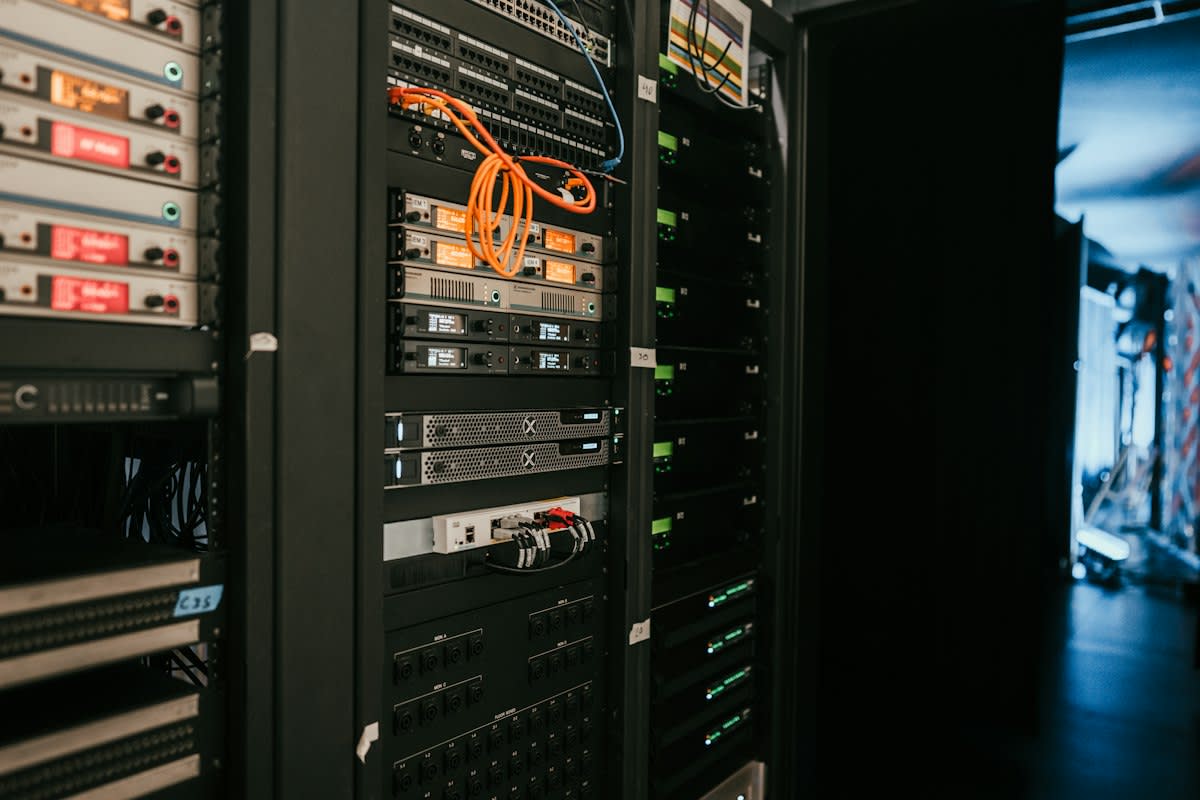
The friction of this process is most visible during the custody phase. In the field, this looks like a violent clash between grey-haired compliance officers and LED-bleached developers in windowless rooms. The bankers want the safety of a vault; the developers want the speed of a private key. This tension is where the real work happens, as the industry attempts to build tools for risk management that are still maturing (Source: Chetu, 2026).
The Economics of the New Rail
Value is no longer captured by the middleman. In the tokenized model, the primary beneficiaries are the services that manage the tokenization process and the blockchain networks themselves (Source: Globe and Mail, 2026). Every time a tokenized asset changes hands, the network captures a transaction fee. These fees often route back to the network's native token, creating a direct link between trading frequency and token price (Source: Globe and Mail, 2026).
"The value created by tokenization is most commonly captured by the services that charge for handling the tokenization process itself and by the blockchain networks on which the tokenized assets are held and traded."— Michael Selig, CFTC Chairman (Source: Globe and Mail, 2026)
| Feature | Legacy Paper System | Tokenized System |
|---|---|---|
| Settlement Speed | Multi-day windows | Instant/Near-instant |
| Verification | Manual reconciliation | Decentralized ledger |
| Market Hours | Banking hours | 24/7 Access |
| Intermediaries | High reliance on brokers | Automated smart contracts |
Institutional adoption is moving in waves. While few clients currently invest in pure crypto, there is a growing appetite for tokenized emerging market equities or high-yield bonds (Source: Morgan Stanley, 2026). Firms like BlackRock are actively hiring for roles to analyze the economic rationale for these initiatives and manage external technology providers to drive execution (Source: BlackRock, 2026). This is not a speculative gamble but a strategic overhaul of the capital markets ecosystem.
The Failure Points
Tokenization swaps old risks for new, more violent ones. A flaw in a smart contract can be just as devastating as fraud in a traditional system, but it happens at the speed of light (Source: Chetu, 2026). If a private key is lost or stolen, the asset is gone; there is no manager to call to reset a password. These assets are highly volatile and can become illiquid at any moment, meaning an investor could lose the entire value of their position (Source: Fidelity Digital Assets, 2026).
- Smart Contract Bugs: Code errors that allow unauthorized asset drainage.
- Private Key Loss: The permanent loss of access to the decentralized ledger.
- Cybersecurity Threats: Attacks targeting the silicon-etched infrastructure.
- Liquidity Crashes: The sudden inability to trade a tokenized asset for cash.
- Regulatory Void: Lack of FDIC insurance or government guarantees (Source: Fidelity Digital Assets, 2026).
Operator's Warning
The biggest risk is the 'single point of failure' in the code. While traditional fraud requires a human actor, a smart contract bug is a systemic failure that can wipe out an entire asset class in seconds. Always prioritize audited code over speed of deployment.
The final hurdle is adoption. Institutional products are currently laying the groundwork for 24/7 markets, but the volume is still concentrated among high-risk tolerance investors (Source: Morgan Stanley, 2026). For the average investor, the move to digital asset rails is happening in the background, hidden behind the interfaces of wealth management firms who are slowly integrating these tools into broader portfolios.
Fact-Check & Accuracy Note
All data in this guide is derived from 2026 industry reports from Chetu, Morgan Stanley, BlackRock, Fidelity, and The Globe and Mail. No projections beyond the provided research were used.
Editorial Note
This guide was written from the perspective of a field operator. It focuses on the mechanics of execution rather than the theoretical benefits of tokenization.