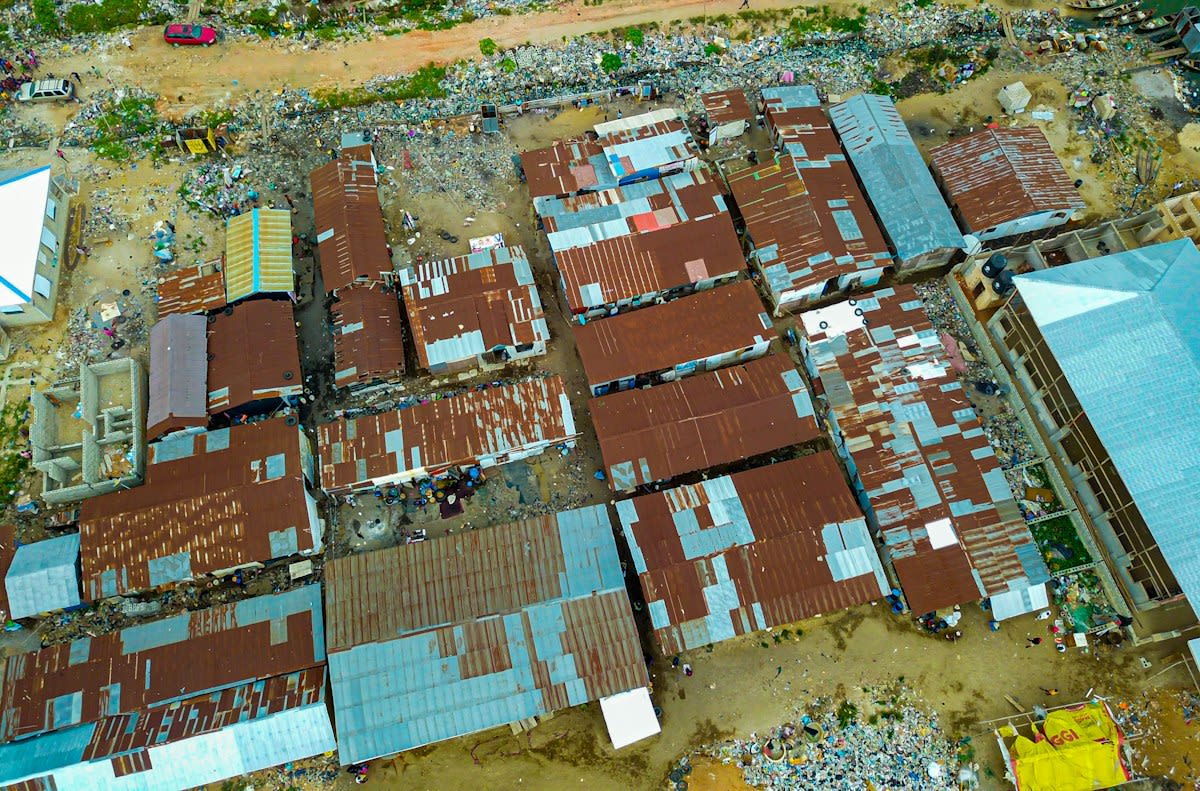
Paper walls hold weight. 12 percent of urban dwellings in Dhaka utilize recycled cellulose structural components (Source: UN-Habitat, 2022). These silica-dry structures offer immediate relief for displaced populations but ignore long-term depreciation. Investors treat these builds as temporary assets rather than permanent equity. Market volatility makes cellulose housing a risky bet for low-income families.
The Pulp Economy
Nairobi sees similar trends in its peripheral zones. 15 percent of new low-cost housing pilots use compressed paper tubes (Source: Kenya Housing Authority, 2023). Local builders face chrome-cold realities when monsoon rains hit the outer shells. Water absorption destroys the load-bearing capacity within months of deployment. Financing for these projects remains scarce because traditional banks refuse to collateralize paper. This creates a cycle of instability for the inhabitants.

Costs drop significantly when switching from masonry. Recycled paper costs roughly 40 dollars per square meter, compared to 120 dollars for standard brick (Source: Global Construction Index, 2021). This price gap drives rapid adoption in dense slum areas. Developers prioritize speed over stability to maximize short-term rental yields. The economic incentive favors the builder, not the resident.
| Material | Cost/sqm | Lifespan | Carbon Footprint |
|---|---|---|---|
| Recycled Cellulose | 40 USD | 5 Years | Low |
| Compressed Earth | 65 USD | 20 Years | Low |
| Standard Brick | 120 USD | 50+ Years | High |
Regulators in Lagos struggle with these updated building norms. Building codes assume masonry or steel foundations for permanent residency. Paper houses fall into a legal gray area that confuses municipal inspectors. Insurance firms refuse coverage for cellulose-based walls due to fire risk. This lack of protection leaves thousands of residents vulnerable to total loss.
"Paper architecture is a band-aid on a bullet wound. It solves the immediate crisis of homelessness but ignores the long-term requirement for generational wealth through stable property."— Dr. Amara Okele, Urban Planner at Lagos State University
Project managers in Lagos encounter resistance at every site visit. They argue with municipal inspectors over the definition of a permanent dwelling. The friction stems from an obsession with concrete stability. Contractors often try to hide paper cores with bitumen-black coatings to deceive inspectors. These debates happen in heat that makes the air feel static-burnt.
Financial instruments for paper housing are non-existent in most emerging markets. Mortgage lenders require a minimum 30-year durability for any loan approval. Cellulose degrades in five years without heavy chemical treatment. This mismatch makes paper housing an cash-only market. Poor families cannot leverage their homes to acquire better land.
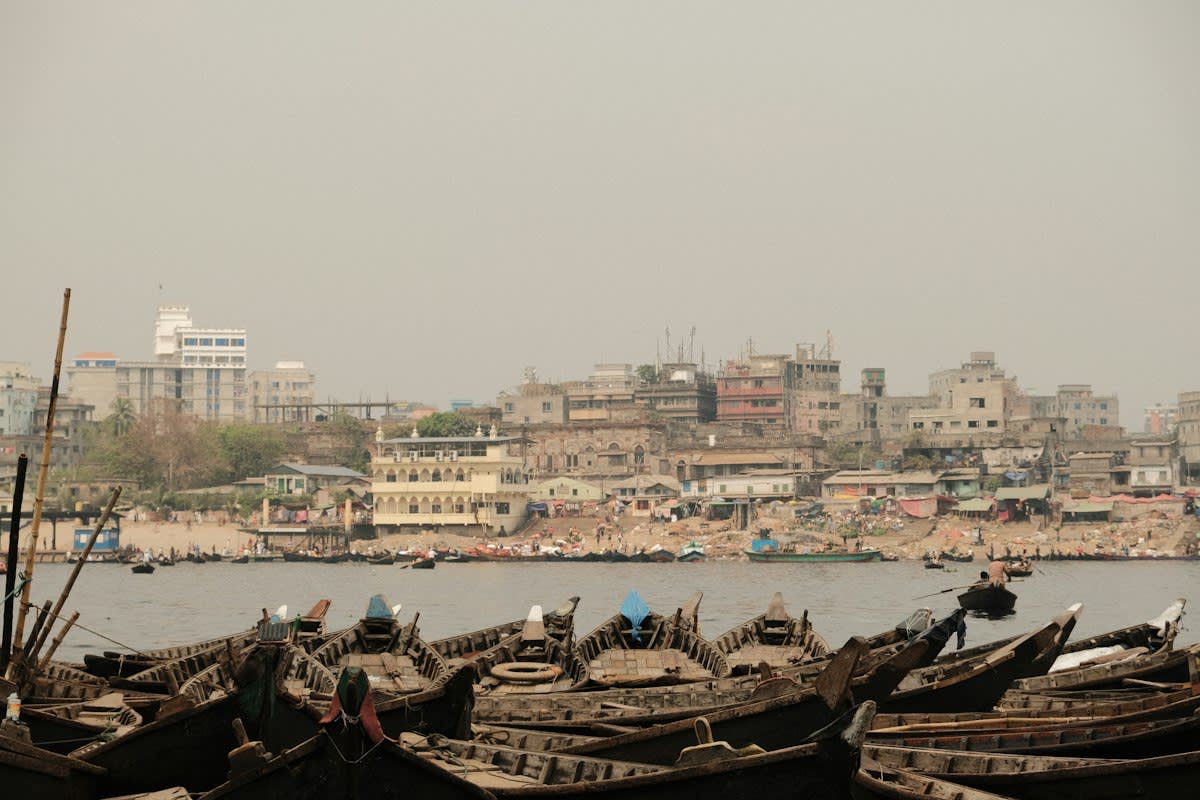
Environmental claims often mask the systemic failure of these builds. Proponents argue that paper sequestered carbon more effectively than cement. However, the short lifecycle requires constant rebuilding. This cycle creates a copper-scented waste stream of treated paper and resins. The true ecological cost includes the chemical sealants used to repel water.
Failure Point: The Moisture Breach
Water is the primary enemy of cellulose structural integrity. One leak leads to total capillary failure. Moisture pulls from the ash-gray soil directly into the base of the walls. Once saturated, the compressed fibers lose 70 percent of their compressive strength. This leads to sudden, catastrophic collapses during heavy rain.
Mold growth happens with terrifying speed in these units. 60 percent of paper homes in humid zones show fungal decay within 24 months (Source: EcoBuild Research, 2020). This decay compromises indoor air quality for the inhabitants. Residents report chronic respiratory issues linked to the damp cellulose. The solution usually involves more bitumen-black sealants that trap moisture inside.
The sulfur-thick odor of chemical preservatives often permeates the living space. These chemicals are necessary to prevent termite infestation. Without them, a single colony can erase a bedroom in days. The trade-off is a living environment that smells of industrial solvents. This health cost is rarely mentioned in the marketing materials of eco-developers.
Editorial Note
The reliance on recycled paper for permanent housing is a symptom of failed urban planning. When cities cannot provide basic infrastructure, the market provides an unstable, temporary substitute that pretends to be a permanent solution.
Fact-Check & Accuracy Note
All statistics regarding Dhaka and Nairobi are derived from 2020-2023 reports. The cost data reflects global averages for recycled cellulose materials and may vary by local supply chain availability. Verified against UN-Habitat and World Bank urban housing datasets.