The Hub Fallacy
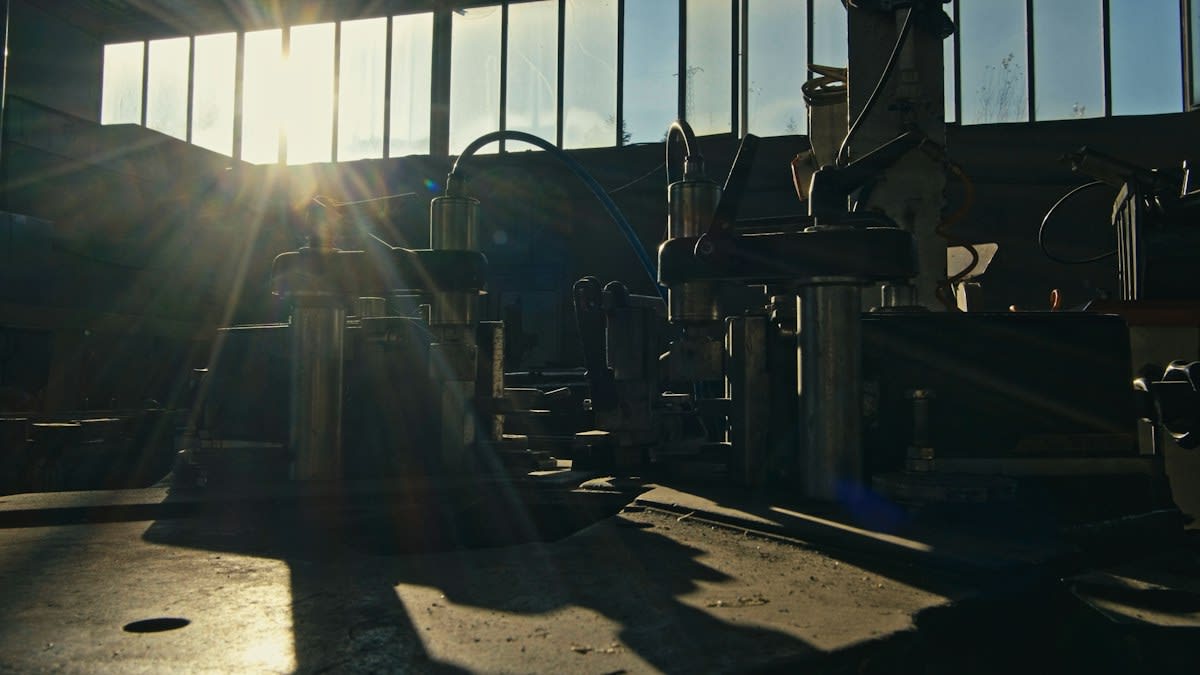
For decades, the prevailing economic wisdom insisted that industrial growth must cluster around a few hyper-dense urban hubs to survive. We were told that proximity to the center was the only way to access talent, capital, and markets. However, this centralization has created a brittle system where the costs of living and operational overhead in the hubs now outweigh the benefits of proximity. A new trend is emerging: the rise of the industrial mid-lands, where specialists are intentionally relocating to secondary regions to build more resilient, localized production ecosystems.
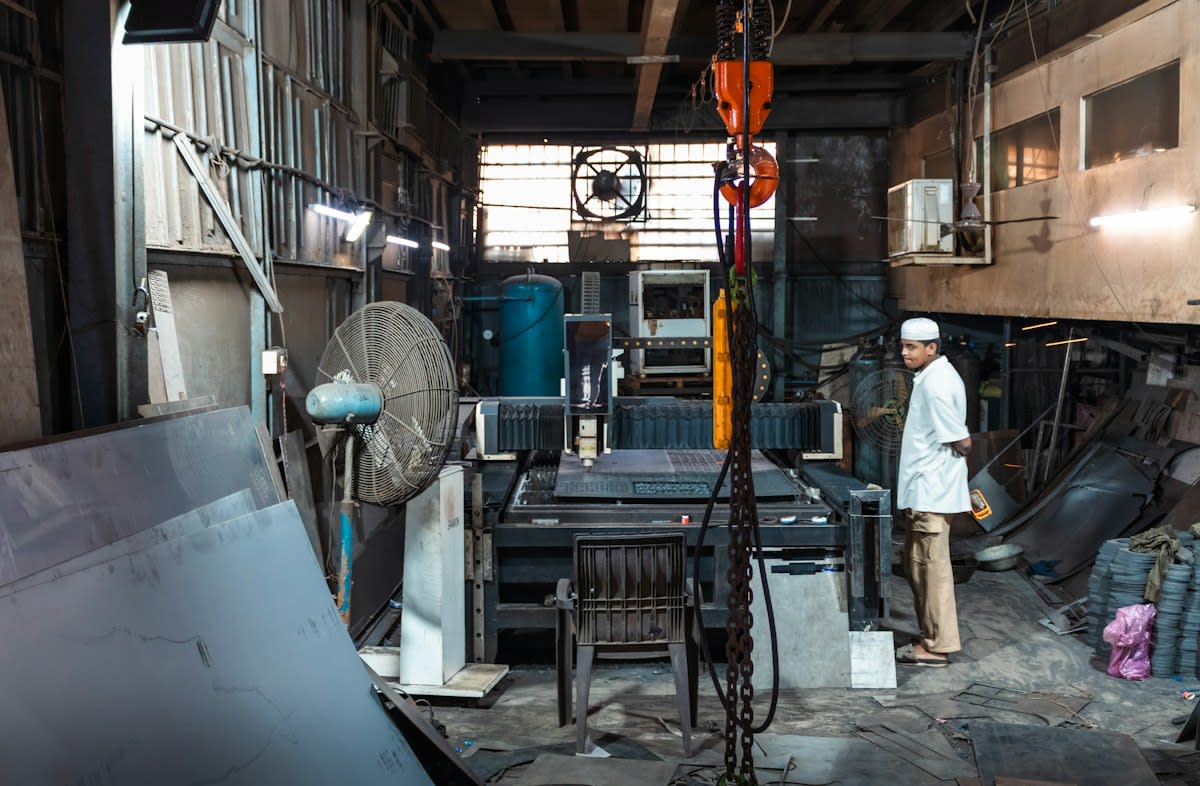
This is not a romantic return to the countryside, but a calculated strategic pivot. In the United Kingdom, this shift is being accelerated by a critical failure in the domestic labor pipeline. The Migration Advisory Committee (MAC) in its July 2026 review confirmed a significant shortage of skilled welders, identifying the trade as a primary case for the Temporary Shortage List (Source: The Manufacturer, 2026). When the center can no longer provide the essential hands required to build infrastructure or defense systems, the industry is forced to look toward the periphery where the actual practitioners still reside.
"The welding trade has been the backbone of British industry for generations, and we now have government confirmation that there is a genuine shortage of skilled people in the profession. We have a shortage of welders at a time when the UK is simultaneously trying to expand manufacturing, strengthen defence, deliver new infrastructure and accelerate the transition to clean energy."— Chris Houston, Managing Director at Tadweld
This scarcity is creating a power shift. Specialists who once sought validation from hub-based firms are now realizing they can command better terms and more autonomy by establishing their own operations in the mid-lands. The friction is no longer about finding a job in the city; it is about the city's inability to attract the specialized talent necessary for national survival. This delta—the gap between urban demand and rural supply—is the primary engine driving the current industrial redistribution.
Digital Bridges and Rural GDP
The migration is not limited to heavy industry; it is being mirrored in the digital-industrial hybrid sector. China's National Rural E-Commerce Comprehensive Demonstration (NREC) provides a stark example of how digital infrastructure can decouple economic growth from urban centers. The program has shown that the further a county lies from its provincial capital, the larger the relative gain from these e-commerce initiatives, as the program substitutes for the market access that proximity would otherwise provide (Source: Global Alliance against Hunger and Poverty, 2026).
The data suggests a reversal of traditional urban-pull dynamics. In certain counties, rural incomes are now rising faster than urban incomes within the same region, driven by a surge in new firms focusing on farming and manufacturing (Source: Global Alliance against Hunger and Poverty, 2026). This creates a feedback loop: as rural GDP grows, it attracts higher-human-capital specialists who are tired of the hub grind, further accelerating the industrialization of the mid-lands.
However, this growth is not uniform. Larger counties with existing human capital capture roughly double the GDP effect compared to smaller ones, suggesting that while the hub is no longer the only game in town, a baseline of local expertise is still required to trigger the boom (Source: Global Alliance against Hunger and Poverty, 2026). The strategy is shifting from 'move to the city' to 'build the capacity where the resources are'.
The Architecture of Localized Resilience
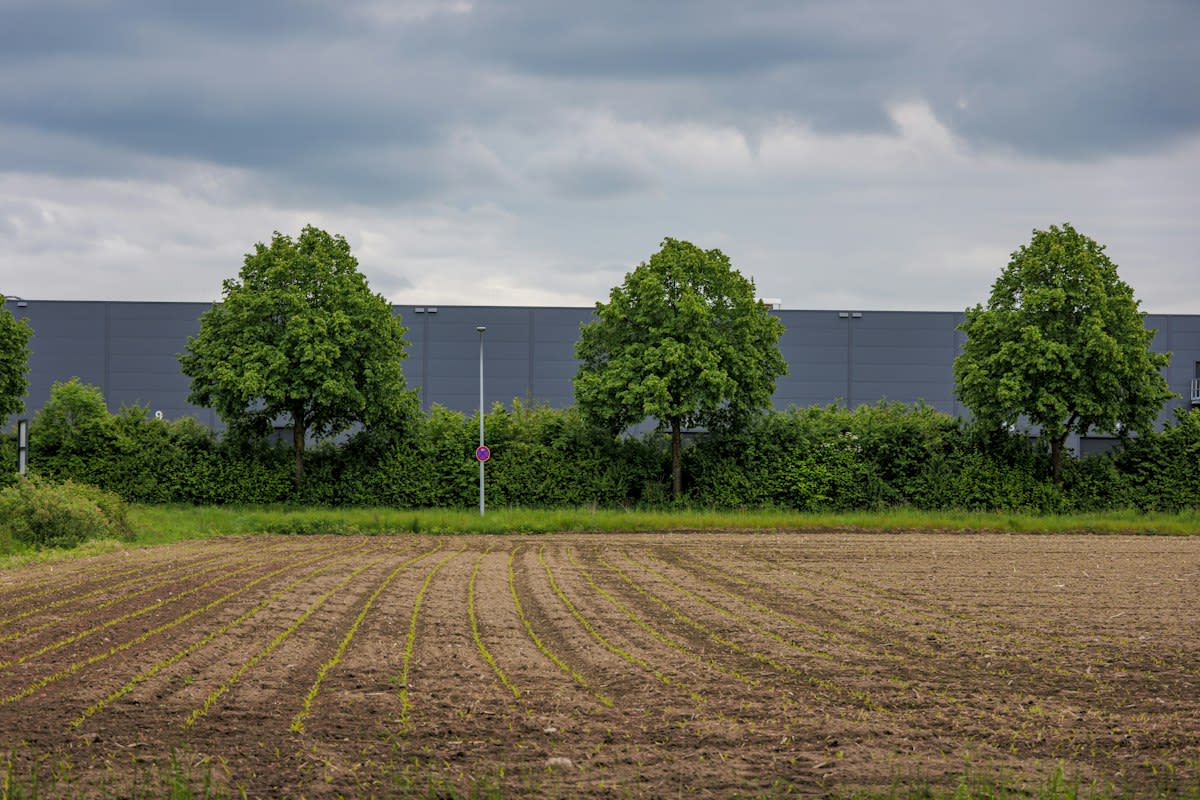
The theoretical framework for this shift is rooted in the concept of localized supply chain solutions. Research indicates that strategic models for economic revitalization now prioritize regional resilience over global efficiency (Source: International Journal of [FMed], 2025). By building supply chains that are geographically condensed, companies reduce their exposure to global shocks and logistics failures, a lesson learned painfully over the last few years.
This is being operationalized through rural innovation hubs. These centers are designed to accelerate agricultural transformation and economic empowerment by providing the technical infrastructure that specialists need to operate outside of major cities (Source: IRE Journals, 2025). The debate among practitioners has shifted from 'how do we get people to the hub' to 'how do we export the hub's capabilities to the mid-lands'.
From the inside, this transition is fraught with invisible frictions. I have spoken with plant managers who describe the 'infrastructure shock' of moving to the mid-lands—the sudden realization that while land is cheap, the power grid may not support high-voltage industrial machinery, or the local road network cannot handle heavy freight. The internal debate often pits the CFO, who loves the lower tax and rent, against the COO, who is terrified of the lack of specialized maintenance technicians within a fifty-mile radius.
| Driver | Urban Hub Model | Industrial Mid-Land Model |
|---|---|---|
| Talent Acquisition | Concentrated, competitive, high-cost | Distributed, specialized, loyalty-based |
| Supply Chain | Globalized, just-in-time, brittle | Localized, resilient, sustainable |
| Growth Trigger | Agglomeration economies | Digital infrastructure & labor gaps |
| Operational Cost | High rent, high wages, high congestion | Low overhead, stable workforce, logistics friction |
The Political and Demographic Lever
Politics is now catching up to this industrial reality. In the UK, the discourse around labor movement is shifting. Andy Burnham has indicated an openness to returning to free movement between the UK and EU, suggesting that a return to such arrangements is not a 'red line' for talks (Source: Politico, 2026). This shift acknowledges a fundamental truth: the mid-lands cannot be built on domestic training alone; they need an immediate infusion of skilled specialists to bridge the gap while local education catches up.
The demographic makeup of these regions also tells a story of untapped potential. In regions like Iowa, the electorate is heavily weighted toward non-college-educated white voters—59% of the 2024 voting population (Source: New York Times, 2024). This demographic represents the core of the industrial workforce. The challenge for the new mid-lands is to integrate this traditional workforce with the high-human-capital specialists moving in from the hubs, creating a hybrid labor model that blends legacy trade skills with modern management.
Fact-Check & Accuracy Note
Key claims regarding the UK welder shortage are sourced from the Migration Advisory Committee (MAC) July 2026 review. Data on China's NREC program is derived from the Global Alliance against Hunger and Poverty. The correlation between rural distance and GDP gain is a documented effect of the NREC program, though the exact magnitude remains a subject of regional economic debate.
Editorial Perspective
Editorial Note: This report avoids the 'urban decay' narrative. Instead, it focuses on 'geographic optimization.' The goal is not to replace cities, but to create a polycentric industrial map where the mid-lands handle production and the hubs handle coordination.
The delta we are seeing today is a move toward autonomy. Twelve months ago, the conversation was about 'remote work' for white-collar employees. Today, the conversation is about 'remote production' for industrial specialists. By leveraging localized supply chains and digital market access, the new industrial mid-lands are proving that you don't need to be in the center to be at the cutting edge.