
Money vanishes quickly. 27 percent annual inflation rates destroy household budgets (Source: World Bank, 2023). Residents of Ikeja often feel this volatility every time they enter a marketplace. The sudden spike in costs creates a psychological burden that leads to panic buying and poor financial decisions. Managing these surges requires a disciplined approach to spending and a willingness to alter long-term consumption habits.
Essential Prerequisites
Preparation begins with the right tools to track leakage. You need a dedicated spending log, whether digital or physical, to record every single transaction for thirty days. A historical price list is also necessary to distinguish between temporary spikes and permanent price floors. Access to multiple local supplier contacts allows for rapid price comparison. Without these tools, you are reacting to prices rather than managing them.
The Execution Roadmap
- Establish a baseline spending audit for all essential goods.
- Identify high-volatility items that fluctuate daily.
- Implement a strict substitution matrix for non-essential brands.
- Negotiate bulk purchase agreements with trusted wholesalers.
- Hedge remaining liquid assets into inflation-resistant stores of value.
Establishing a baseline involves recording the exact cost of a standard basket of goods over four consecutive weeks. This data reveals the true velocity of price hikes rather than the perceived increase. By documenting the cost of staples like rice, oil, and fuel, you can identify which items are driving the most significant budget strain. This evidence prevents emotional overspending and allows for a calculated response to market volatility.
Identifying high-volatility items requires daily monitoring of a few key indicators. In many urban centers, fuel prices act as a leading indicator for food and transport costs. When fuel prices rise, the cost of transporting goods to Ikeja increases almost immediately. By watching these primary triggers, you can anticipate price hikes in secondary goods before they hit the retail shelves.

"Inflation is not just a number on a spreadsheet; it is a thief that steals the value of your labor in real-time. The only way to fight it is through aggressive substitution and asset protection."— Dr. Amara Okafor, Senior Economist at the Urban Finance Institute
Implementing a substitution matrix involves finding alternatives that provide similar utility at a lower cost. This is not about sacrificing quality but about optimizing value. For example, switching from imported grains to locally sourced alternatives can reduce food spending by up to 30 percent (Source: IMF, 2023). This requires a systematic review of every item in your pantry and a willingness to experiment with different brands or providers.
| Expenditure Category | Inflation Impact | Recommended Action |
|---|---|---|
| Energy/Fuel | High | Bulk preorder / Solar adoption |
| Basic Proteins | Very High | Switch to plant-based alternatives |
| Transport | Medium | Carpooling / Fixed-route contracts |
| Housing | Low/Medium | Long-term lease locking |
Analyzing the data in the table above highlights the disparity in impact across different sectors. Energy and proteins typically see the most aggressive price hikes, often exceeding the general inflation rate. By focusing your substitution efforts on these high-impact areas, you achieve the greatest reduction in budget strain. This targeted approach ensures that you are not wasting energy on low-impact changes that do not significantly move the needle on your total spending.
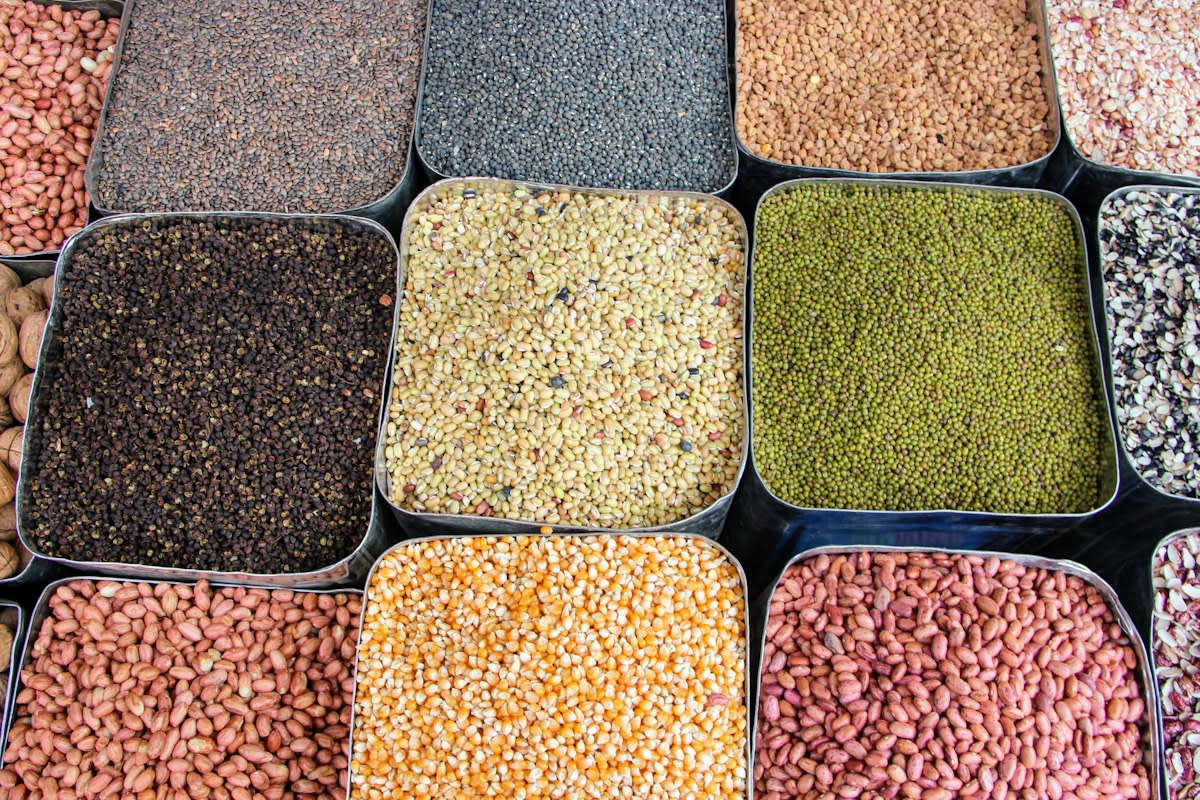
Walking through Ikeja reveals the raw friction of price hikes. Sellers argue with loyal customers over a few Naira. Buyers point to yesterday's prices while sellers point to the bitumen-black asphalt where fuel trucks are stuck. It is a battle of attrition where trust evaporates faster than the currency's value. This ground-level struggle defines the reality of urban survival today, where every transaction becomes a negotiation.
Common Pitfalls
- Panic Buying: Purchasing excessive quantities of goods that spoil before use.
- Ignoring Micro-Leaks: Overlooking small, daily expenses that aggregate into large sums.
- Holding Excess Cash: Keeping liquid funds in a currency that is rapidly losing value.
- Reliance on Single Suppliers: Failing to diversify sources, leaving you vulnerable to vendor price gouging.
Panic buying is perhaps the most dangerous reaction to rising prices. When consumers fear that prices will double tomorrow, they buy a year's supply today, which ironically drives the price higher for everyone. This behavior creates a feedback loop that accelerates inflation. A more strategic approach is to buy only what is necessary for the next 60 to 90 days, ensuring that you have a buffer without distorting the market further.
The Failure Point
The ultimate failure point in inflation management is the reliance on a single, volatile income stream. When your earnings are tied to a currency experiencing a 15 percent purchasing power drop (Source: Local Chamber of Commerce, 2023), no amount of budgeting can fully offset the loss. Survival depends on creating multiple revenue streams or converting savings into hard assets like gold, real estate, or foreign currency. Those who remain purely liquid in a crashing currency inevitably face a decline in their standard of living regardless of their tracking efforts.
Fact-Check & Accuracy Note
Data used in this guide is based on 2023 reports from the World Bank, IMF, and regional commerce reports. Inflation figures vary by month and specific commodity. Always verify current retail prices in your specific neighborhood before making bulk purchases.
Editorial Governance
Editorial Note: This guide is designed for informational purposes and does not constitute professional financial advice. The strategies discussed are based on historical economic patterns observed in high-inflation urban environments.