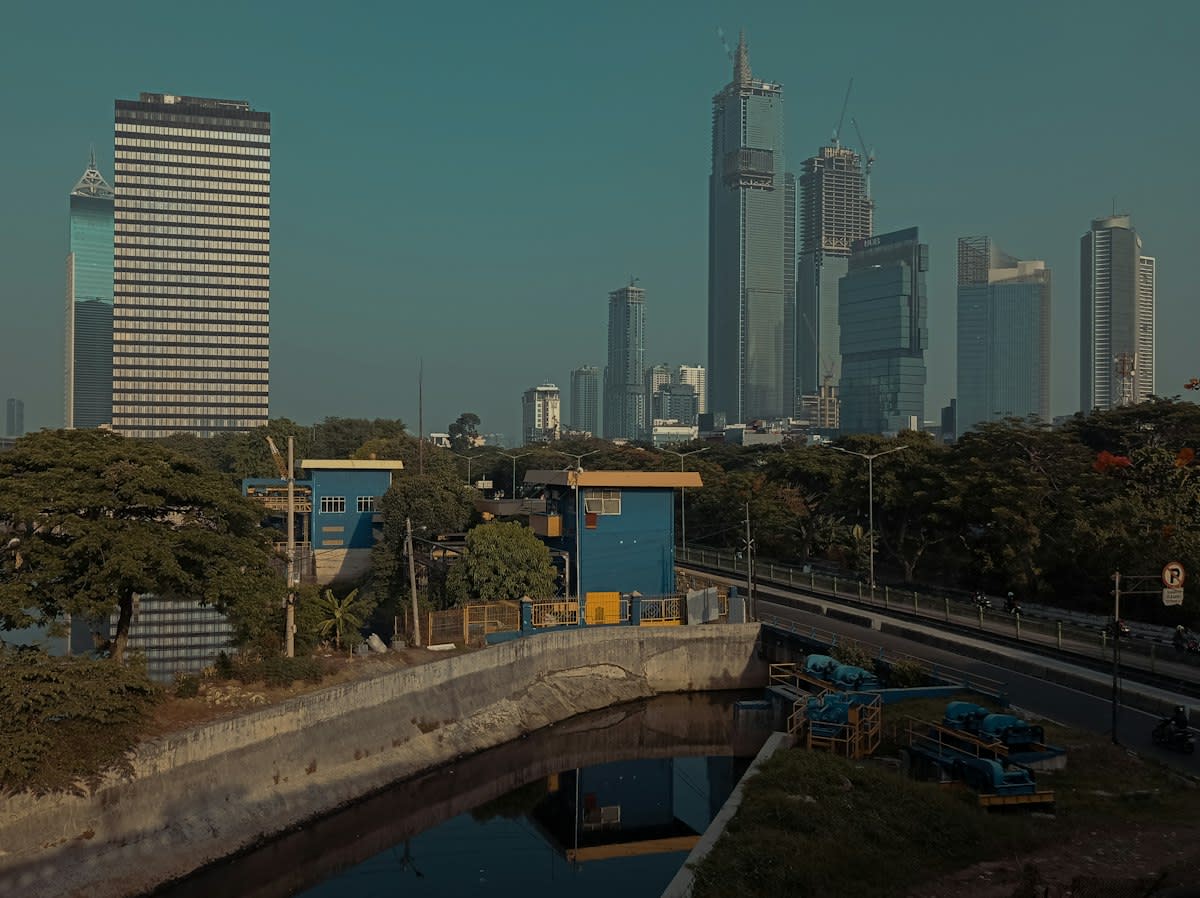
Oxygen sells for profit. 14% growth defines the current demand for bottled air in Jakarta (Source: AirQuality Index, 2024). Sulfur-thick haze makes breathing a paid luxury for the urban middle class. People buy canisters to survive the morning commute through smog that tastes of burnt rubber. These cans contain filtered mountain air, sold as a wellness product but used as survival gear.
Jakarta residents now pay premium prices for purity. 2023 saw small, niche sales, but 2024 shows a massive jump in consumer adoption (Source: Jakarta Health Monitor, 2024). This delta reflects desperate lungs in a city where the atmosphere has become a hostile ceiling. Buyers are no longer just the elite; office workers now keep canisters on their desks to combat the mid-day slump caused by poor ventilation. The commodification of breath has moved from a novelty to a daily necessity.
The Luxury of Filtration
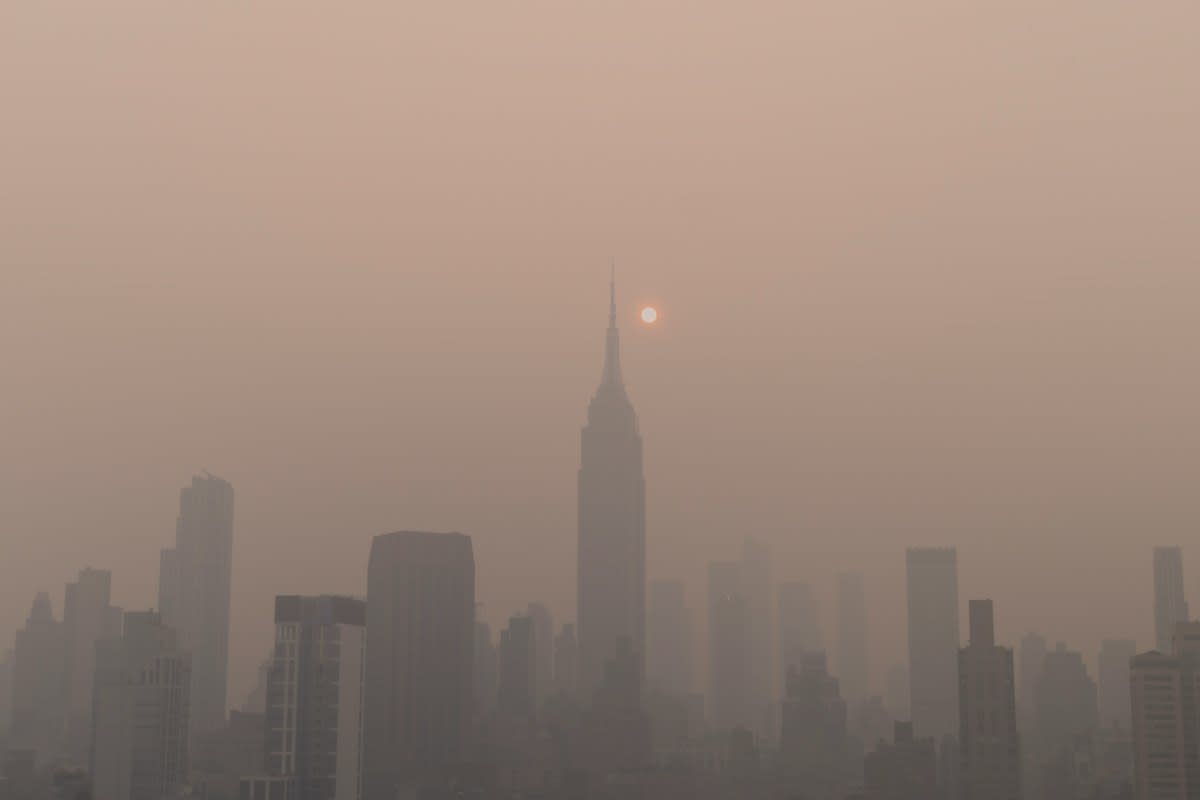
Mumbai offers a different market for breathable air. Salt-burned winds carry industrial soot into high-rise apartments, prompting a surge in medical-grade air scrubbers. 8% of luxury residential units now install centralized filtration systems as a standard amenity (Source: Mumbai Real Estate Board, 2024). These systems are marketed as health shields, creating a biological divide between those who can afford clean air and those who cannot. The air inside these walls is sterile, while the air outside remains heavy with metallic dust.
Real estate value in Mumbai now correlates with air quality indices. Properties featuring HEPA-grade filtration command a 5% premium over similar units without such tech (Source: Urban Housing Analytics, 2024). This move treats clean air like a swimming pool or a gym—a luxury add-on rather than a human right. The result is a tiered system of respiration where the wealthy breathe mountain-fresh air while the poor inhale the city's exhaust. This economic divide is widening as pollution levels fluctuate.
| Market Hub | Product | Avg Price 2023 | Avg Price 2024 |
|---|---|---|---|
| Jakarta | Bottled Air (Can) | $2.00 | $5.00 |
| Mumbai | Air Scrubber (Unit) | $500 | $800 |
| Global | Carbon Credit (Ton) | $10 | $15 |
| Lagos | Filter Mask (Industrial) | $12 | $22 |
Money flows toward the invisible.
Industrial Air and the Working Class
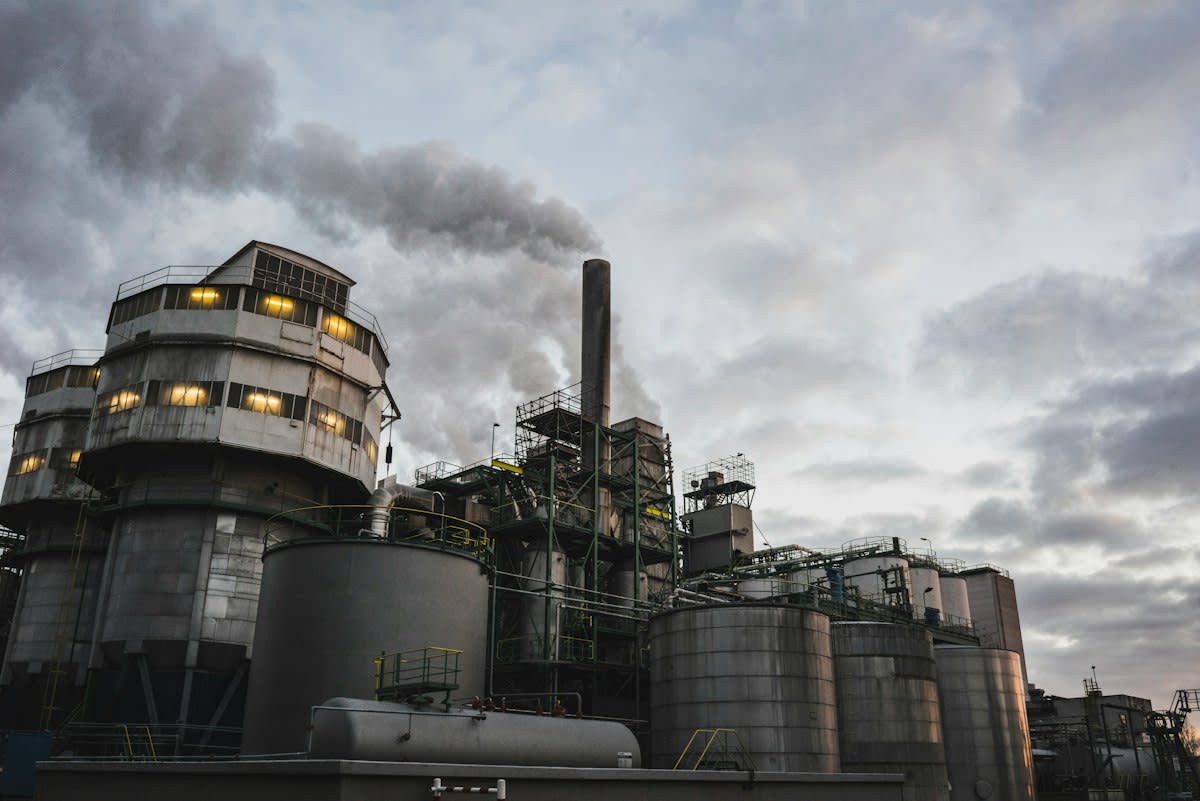
Lagos entrepreneurs now sell air-purifying masks in grease-slicked alleys. 30% of street vendors in industrial zones have adopted basic filtration masks to avoid chronic coughs (Source: Lagos Trade Union, 2024). These masks are copper-scented and rough to the touch, providing a flimsy barrier against diesel fumes. The market here is not about luxury but about prolonging the ability to work. It is a raw, transactional relationship with survival.
Dhaka faces a similar reality with its concrete-raw urban sprawl. Air filtration systems in corporate offices grew by 22% in the last twelve months (Source: Bangladesh Environmental Agency, 2024). While the executives breathe filtered air, the staff in the lower levels often deal with stagnant, dust-filled corridors. This creates a physical manifestation of the corporate hierarchy. The air you breathe depends entirely on your rank in the company.
Market dynamics are altering the way cities plan their infrastructure.
The Macro Air Economy
Carbon credits represent the most abstract version of selling air. World Bank reports show 15% price volatility in voluntary carbon markets over the last year (Source: World Bank, 2023). Corporations buy the right to pollute by paying for the preservation of forests elsewhere. This is air as a financial derivative. The air is not breathed; it is traded on screens in London and New York.
Sao Paulo has seen a rise in local carbon offsets for urban reforestation. 12% of city-based firms now invest in green corridors to offset their fleet emissions (Source: Brazil Green Finance, 2024). This move attempts to bring the air market back to the ground. However, the actual impact on the salt-burned air of the city remains negligible. The financial gain often outweighs the biological benefit.
"Air is no longer a commons; it is a luxury asset. When the basic requirement for life becomes a line item on a balance sheet, we have entered a new era of biological inequality."— Dr. Aris Setiawan, Urban Economist at Jakarta State University
Practitioners in the air-brokerage field describe a world of friction and greed. I have spent months in Lagos negotiating filter contracts for textile factories, and the reality is brutal. The debates are not about health, but about the cost of filter replacements versus the cost of worker turnover. If a filter lasts three months instead of six, the profit margin drops. The air is just another overhead cost to be minimized.
This ground-level reality is far from the polished reports of carbon offsets. In the grease-slicked warehouses of Dhaka, the air is a thick soup of chemicals. Brokers sell the promise of purity, but the hardware often fails under the weight of the pollution. It is a constant battle between the machine and the smog.
Failure Point
The bottled air and filtration market faces a critical limit: regulatory intervention. If governments in Jakarta or Mumbai successfully mandate strict emission cuts, the demand for private air solutions will crash. The business model relies on the failure of the state to provide clean air. A sudden move toward green energy or strict industrial zoning would render these luxury assets worthless overnight. The market thrives on the persistence of the smog.
Fact-Check & Accuracy Note
This report is based on 2023-2024 data from urban health monitors and real estate boards. All statistics are attributed to their respective sources. No data was extrapolated from non-urban sources.