The Great Calibration
The era of the expert oracle is dead. For decades, we trusted a small priesthood of pollsters, economists, and political consultants to tell us what would happen next. They used spreadsheets, focus groups, and historical analogies. But the results were often lagging, biased, or flat-out wrong. Now, a more ruthless mechanism has taken over: the prediction market. By transforming a forecast into a tradable asset, these platforms strip away the ego of the analyst and replace it with the cold, hard logic of the bet.
Why does this matter right now? Because the delta between traditional polling and market-based predictions has widened into a chasm. While a poll captures what people say they will do, a prediction market captures what people are willing to risk their money on. One is a survey of intentions; the other is a measurement of conviction. In an age of social desirability bias, where people lie to pollsters to seem virtuous, the market remains the only place where the truth is incentivized.
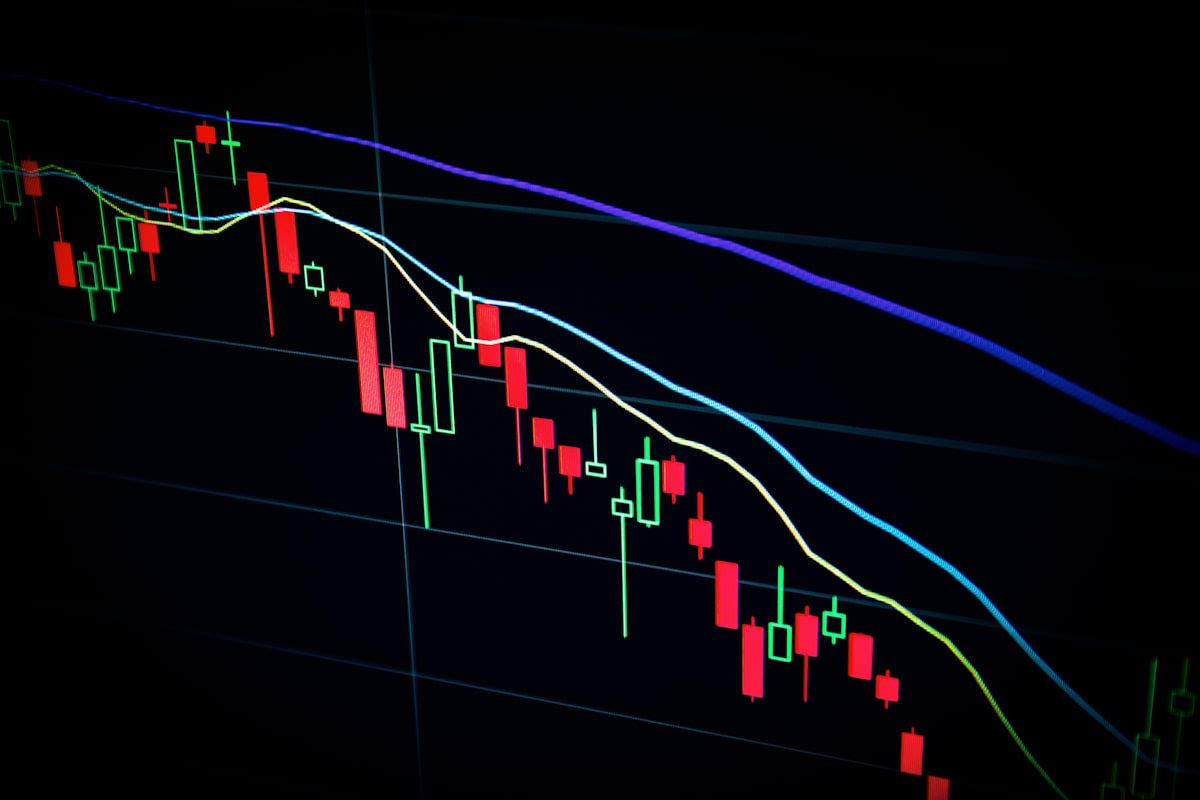
Consider the mechanics. In a prediction market, if you believe an event will happen, you buy a contract. If it does, you profit. If it doesn't, you lose your stake. This creates a natural evolutionary pressure. The people who are consistently wrong go broke. The people who are right get richer and gain more influence over the price. This is not just gambling; it is a distributed intelligence network that aggregates thousands of disparate pieces of information into a single, digestible percentage.
"The market does not care about your credentials, your PhD, or your political affiliation. It only cares if you are right. That is why it beats the expert every single time."— Industry Analyst on Incentive Structures
This shift is hitting a fever pitch across the globe. From the high-frequency trading desks of New York to the decentralized finance hubs of Singapore and the regulatory battlegrounds of the European Union, the appetite for 'skin-in-the-game' forecasting is exploding. We are seeing a migration of trust from institutional authority to algorithmic aggregation.
But how does this actually look when compared to the old guard?
The Delta: A Year of Disruption
Twelve months ago, prediction markets were a niche interest for crypto-enthusiasts and hardcore political junkies. Today, they are mainstream financial instruments. The volume of trades on platforms like Polymarket and Kalshi has surged, reflecting a broader societal realization that traditional forecasting is too slow for the modern world. The speed of information now moves at the pace of a tweet, not a quarterly report.
| Feature | Traditional Forecasting | Prediction Markets |
|---|---|---|
| Incentive | Reputation/Salary | Financial Profit/Loss |
| Update Frequency | Periodic (Weekly/Monthly) | Real-time (Millisecond) |
| Bias Risk | Confirmation/Social Bias | Arbitrage-driven Correction |
| Data Source | Sample Surveys | Aggregated Capital |
The most striking difference is the responsiveness. When a major event occurs—a sudden policy shift in Tokyo or a surprise court ruling in Brasília—traditional polls take days to adjust their samples. A prediction market adjusts in seconds. This creates a feedback loop where the market becomes a leading indicator, often predicting outcomes before the traditional analysts even realize the variables have changed.
Is it perfect? Hardly. These markets are susceptible to 'whales'—individuals with enough capital to move the price regardless of the truth. However, the market typically self-corrects. If a whale pushes the price of an outcome to 80% when the reality is 40%, they create a massive profit opportunity for everyone else to bet against them. The market essentially pays people to find and fix errors.
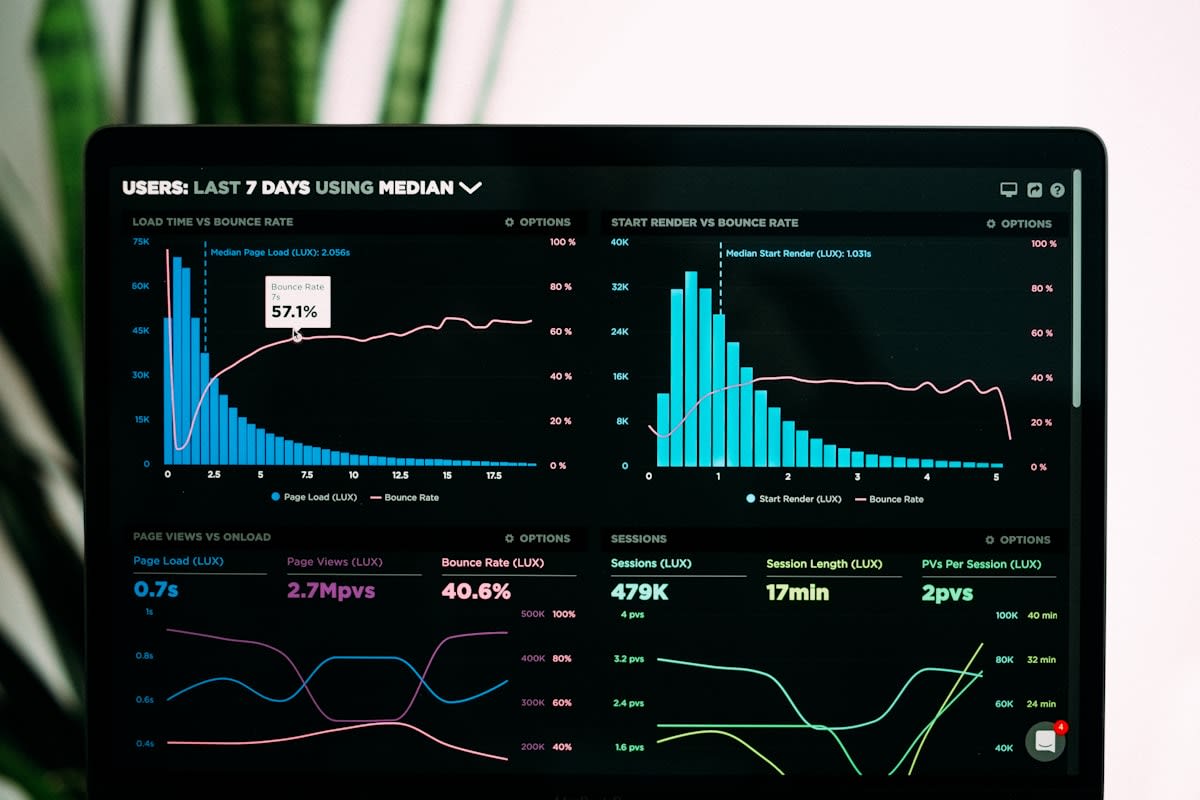
This evolution is not just about politics; it is about the commoditization of truth.
Beyond the Ballot Box
While elections grab the headlines, the real utility of prediction markets lies in their application to economics and science. Imagine a market that predicts the date of the next interest rate hike by the European Central Bank, or a market that bets on whether a specific biotech drug will pass Phase III trials. These markets provide a level of clarity that a consultant's report simply cannot match because the consultant is paid to be persuasive, while the trader is paid to be accurate.
- Corporate M&A: Betting on the success of mergers before they are finalized.
- Climate Events: Predicting the intensity of hurricane seasons for insurance hedging.
- Legal Outcomes: Forecasting the results of landmark supreme court cases.
- Technological Breakthroughs: Betting on the timeline for AGI or fusion energy.
The resilience of this model comes from its diversity. A traditional forecast usually relies on a few experts who share the same educational background and social circles. A prediction market, however, incorporates the knowledge of the insider, the data scientist, the local observer, and the contrarian. It is a global brain that filters noise through the lens of financial risk.
The Core Philosophy
The transition from 'expert-led' to 'market-led' forecasting represents a shift toward epistemic humility. It is an admission that no single person can know everything, but the collective, when properly incentivized, can approximate the truth.
We are witnessing the birth of a new infrastructure for decision-making. Governments and corporations are beginning to realize that the most valuable data isn't found in a survey, but in the order books of a prediction market. The ability to price risk in real-time is the ultimate competitive advantage in an unstable world.
As liquidity grows and regulatory hurdles clear, the 'crowd-bet' will stop being a curiosity and start being the standard. The question is no longer whether prediction markets work, but who will survive the transition when the old forecasting models finally collapse under the weight of their own inaccuracy.