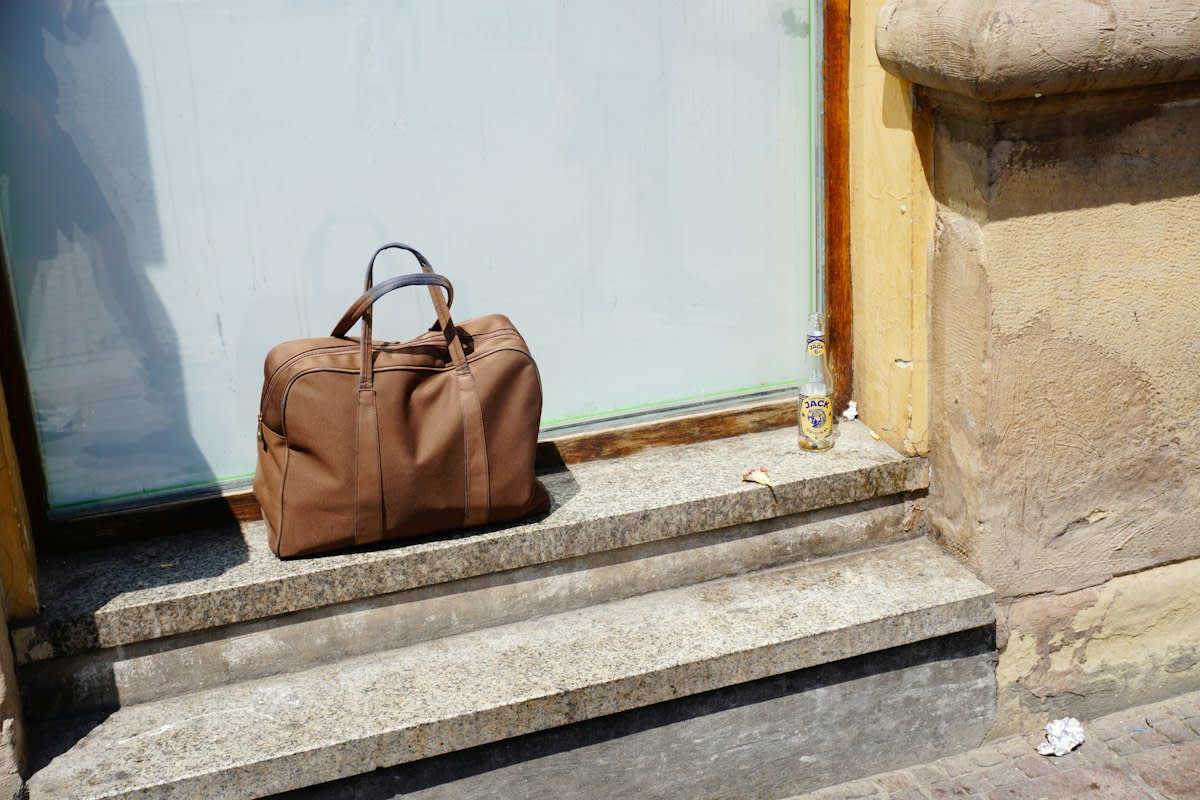
We have been told for a decade that the ultimate goal of commerce is the removal of all obstacles. The frictionless checkout. The one-click delivery. The instant connection. But does speed actually erode value? For a growing segment of the global elite, the absence of effort is no longer the luxury; the luxury is the deliberate return of the obstacle. We are seeing a hard turn toward pricing the pause. By introducing intentional lag and artisanal tethers, brands are no longer selling a product, but the silence that comes from opting out of the acceleration.
The Experience Asymmetry
The luxury travel sector provides the most immediate evidence of this shift. Wealth is no longer signaling through the visible upgrade. A 2025 travel trends report indicates that 54% of travelers now prioritize spending on experiences like private tours over hotel upgrades (12%), flight enhancements (8%), or Michelin-starred meals (8%) (Source: OpenPR, 2026). This is not a simple preference for sightseeing. It is a demand for curated, slow-paced immersion that resists the efficiency of a standard itinerary. The market is responding aggressively. The luxury travel market is projected to reach USD 3,231.3 billion by 2034 (Source: OpenPR, 2026).
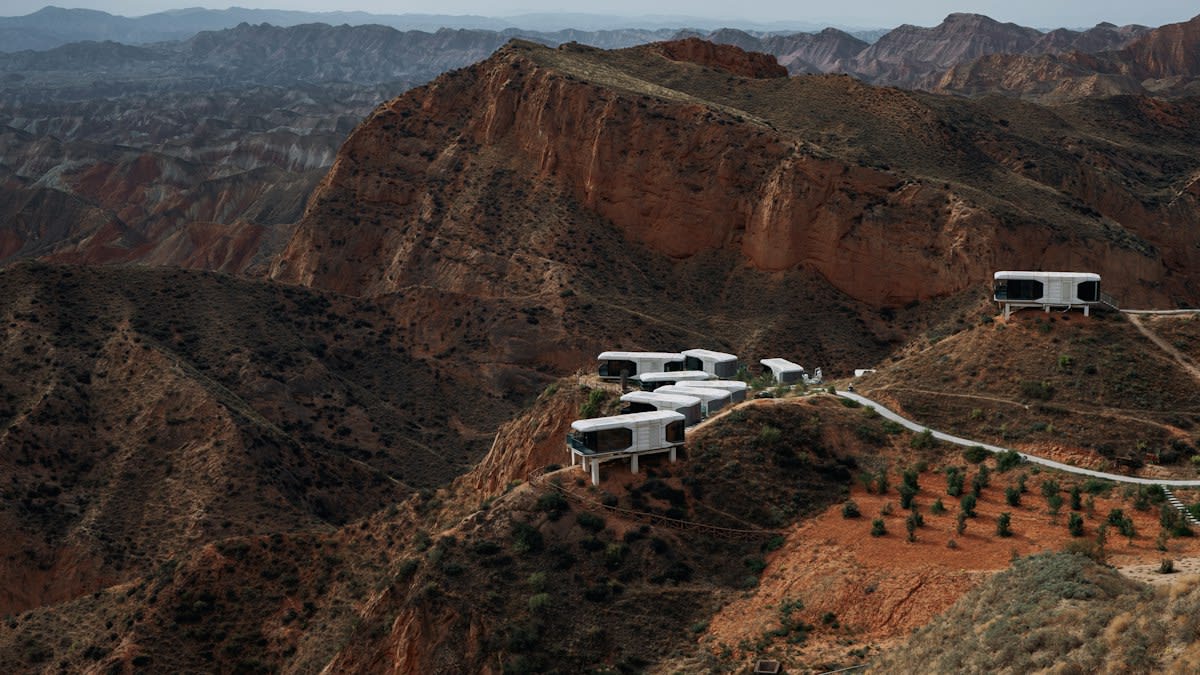
Why pay more for a slower journey? Because the speed of the modern world has become a commodity. When everyone can fly first class, the real status symbol becomes the ability to disappear into a private, meticulously slow experience. This is the economy of silence. It is the intentional creation of a web where the consumer is tethered to the moment rather than the destination. This trend aligns with a broader consciousness; 83% of travelers now prioritize sustainability and wellness (Source: Booking.com Sustainable Travel Report, 2024).
Artisanal Tethers in West Africa
In West Africa, the redefining of luxury is happening through the lens of craftsmanship. Louise Dior Quenum is not merely selling leather goods; she is selling the time embedded in the craft. Scaling a premium brand in this context creates a collision between the need for growth and the necessity of slowness. For Quenum, the goal is to expand into international markets while remaining anchored in artisanal excellence (Source: Tony Elumelu Foundation, 2026). The value is not in the bag itself, but in the mechanical failure of mass production to replicate the human touch.
"Success requires more than exceptional design. It demands strong business systems, financial discipline, market positioning and a clear growth strategy."— Louise Dior Quenum, Entrepreneur
This approach creates a natural barrier to entry. You cannot automate the heritage of a local artisan. By investing in local production capabilities, Quenum ensures that the product remains a result of a slow, deliberate process. This is the essence of pricing the pause. The consumer pays a premium because the product cannot be rushed. The lag is the feature, not the bug.
From a practitioner's perspective, this creates an internal war within the boardroom. I have seen this play out in luxury houses where the CFO demands a 20% increase in throughput, while the Creative Director argues that increasing speed will kill the brand's soul. The dispute is over the 'invisible' bottlenecks. If you remove the difficulty of sourcing a specific hide or the time it takes for a hand-stitch, you remove the justification for the price. The struggle is to maintain a perceived inefficiency while ensuring the business systems remain lean.
The Behavioral Lag and Data Siphons
Even in the digital realm, the illusion of seamlessness is being questioned. Recent research into data privacy and preference inference shows a significant gap between what users think they want and how they actually behave. A study revealed that users systematically revise 26.2% of their initial choices after experiencing an actual service (Source: WISE, 2026). This revision is a form of cognitive inertia. It suggests that the initial, frictionless choice is often wrong.
Companies are beginning to realize that by forcing a moment of reflection—a deliberate pause in the user journey—they can actually increase the long-term value of a customer. When a service moves from static rule matching to dynamic preference inference, it acknowledges that the human mind requires a lag to settle on a true preference (Source: WISE, 2026). The 'frictionless' path often leads to a leak in customer satisfaction because the choice was too easy, and therefore, less valued.

Corporate Adaptation: The Hyatt Model
Corporate giants are pivoting their portfolios to capture this demand for curated inertia. Hyatt's recent performance shows that luxury is driving RevPAR growth above expectations (Source: Hotel Dive, 2026). Their acquisition of Standard International and the introduction of the StandardX brand in North America, including an 1,800-key flagship in New York City, signals a move toward boutique, high-identity experiences (Source: Hotel Dive, 2026). These spaces are designed not just for sleep, but as anchors for a specific lifestyle that rejects the sterile efficiency of a standard corporate hotel.
This is the industrialization of the pause. By creating a brand that feels boutique and curated, Hyatt is siphoning value from the mass-market luxury sector and moving it into a space where the 'vibe'—a form of emotional inertia—is the primary product. They are pricing the feeling of being in a place that doesn't feel like a chain, even as it is owned by one.
Fact-Check & Accuracy Note
The data presented relies on reports from 2024 through 2026. A key area of academic debate remains the 'Sustainability Paradox': whether the increase in high-end, curated travel (often involving long-distance flights) contradicts the 83% of travelers claiming to prioritize sustainability (Source: Booking.com, 2024). Additionally, the projection for the luxury travel market to hit $3.2 trillion by 2034 is a forward-looking estimate and subject to macroeconomic volatility.
We are entering an era where the most expensive thing you can buy is the feeling that time has slowed down. Whether it is a hand-stitched bag from West Africa, a private tour in a remote valley, or a boutique hotel room in Manhattan, the value is in the lag. The economy of the future will not be about who can move the fastest, but who can make the pause feel the most exclusive.