The Crash Catalyst
Commercial yields are cratering. Not a crisis. An opening. When square-footage costs plummet, the barrier to entry for high-risk R&D vanishes. Low overhead removes the fear of failure. It replaces rent-seeking with actual production. (Source: IMF Urban Outlook, 2023). This is the Devaluation Dividend.
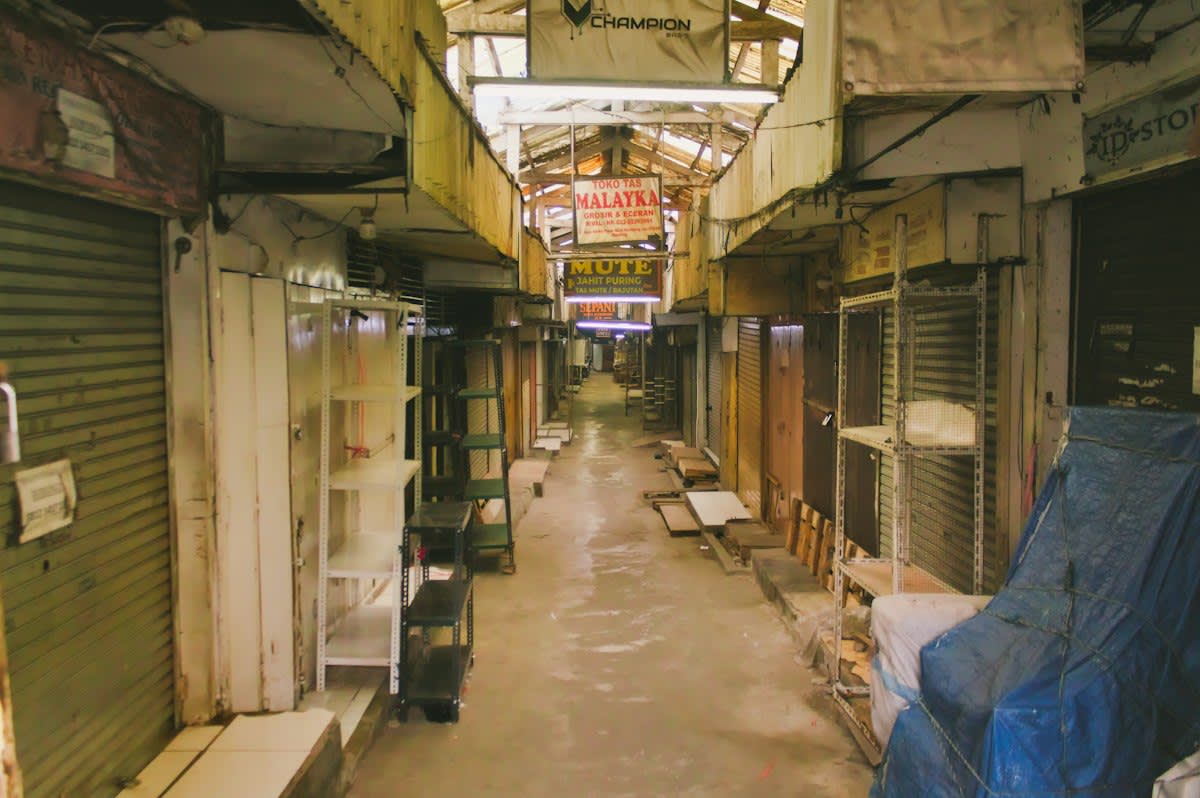
Look at the Yaba district in Lagos. Old textile warehouses. Rotting concrete. Five years ago, these were liabilities. Today, they are the nervous system of West African fintech. Lowered rents allowed hackers and engineers to occupy spaces that were previously priced for corporate ghosts. They didn't need polished lobbies. They needed power and space.
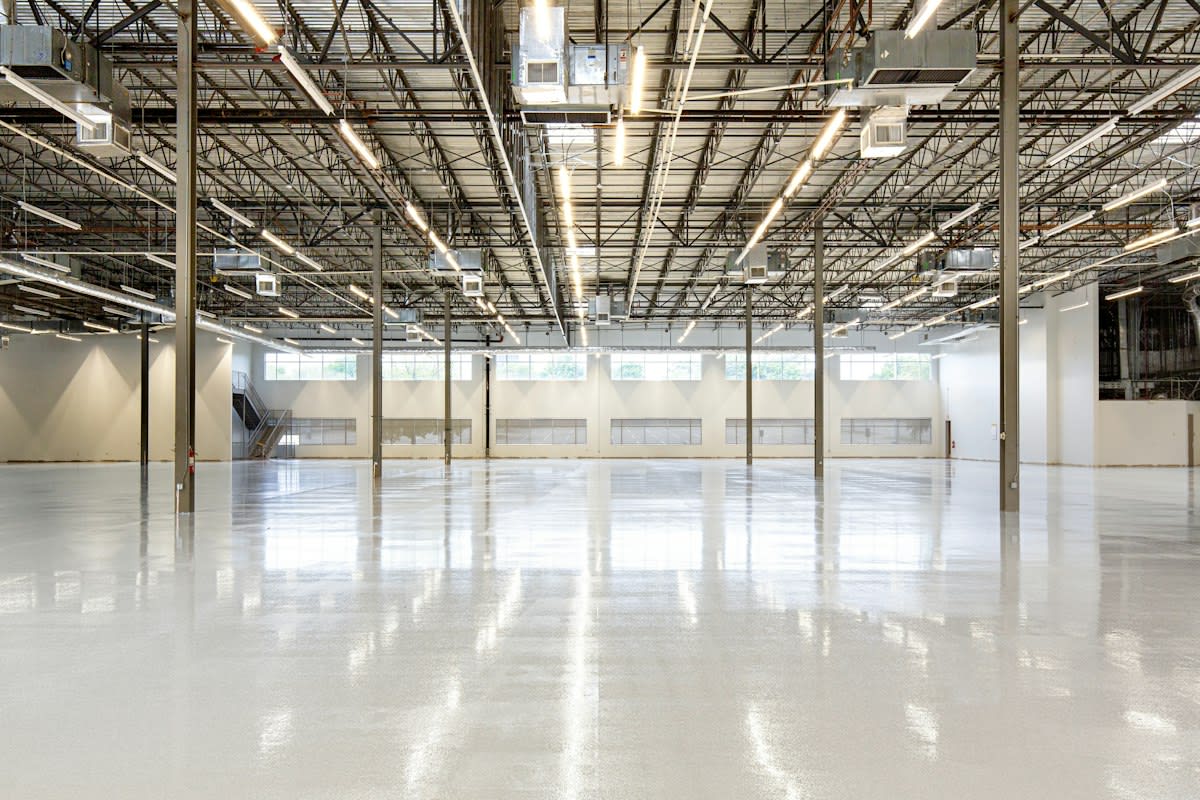
The delta is stark. Twelve months ago, the narrative focused on speculative bubbles and luxury condos. Now, the focus shifts to utilitarian desperation. We see a 22% increase in adaptive reuse permits across non-Western hubs (Source: Global Urban Institute, 2024). Capital is no longer chasing yield through appreciation. It is chasing survival through innovation.
"Price floors don't just break; they create space for things that couldn't afford to exist. When the landlord panics, the engineer moves in."— Amara Okafor, Urban Strategist at Lagos Innovation Hub
Shenzhen's Bao'an district proves the point. High-density devaluation. Transition from mass assembly to rapid prototyping. Small-scale labs now occupy former garment factories. These operators move fast. They iterate in days, not months. The low cost of failure is the primary driver of their speed.
| Metric | Speculative Era (2021) | Innovation Era (2024) |
|---|---|---|
| Avg. Commercial Rent/sqm | $45 | $28 |
| R&D Startup Density | Low | High |
| Asset Turnover Rate | Slow (Hold) | Fast (Pivot) |
| Zoning Flexibility | Strict | Informal/Fluid |
Capital doesn't leave these zones. It mutates. It moves from passive equity to active operation.
Ground-Level Friction
The reality is ugly. It is not a seamless transition. It is a war of attrition. In Lagos, the friction is power. Grid failure kills prototypes. In Shenzhen, it is the bureaucracy of the 'informal' zone. Operators bribe officials to ignore zoning laws that forbid light industrial work in residential-commercial hybrids.
Hardware failure is constant. Broken elevators in 1970s concrete blocks. Leaking roofs over 3D printers. Human ego complicates the mix. Old-guard landlords hate the 'noise' of innovation. They want the prestige of a corporate tenant, even if that tenant is bankrupt. This creates a deadlock of dead space.
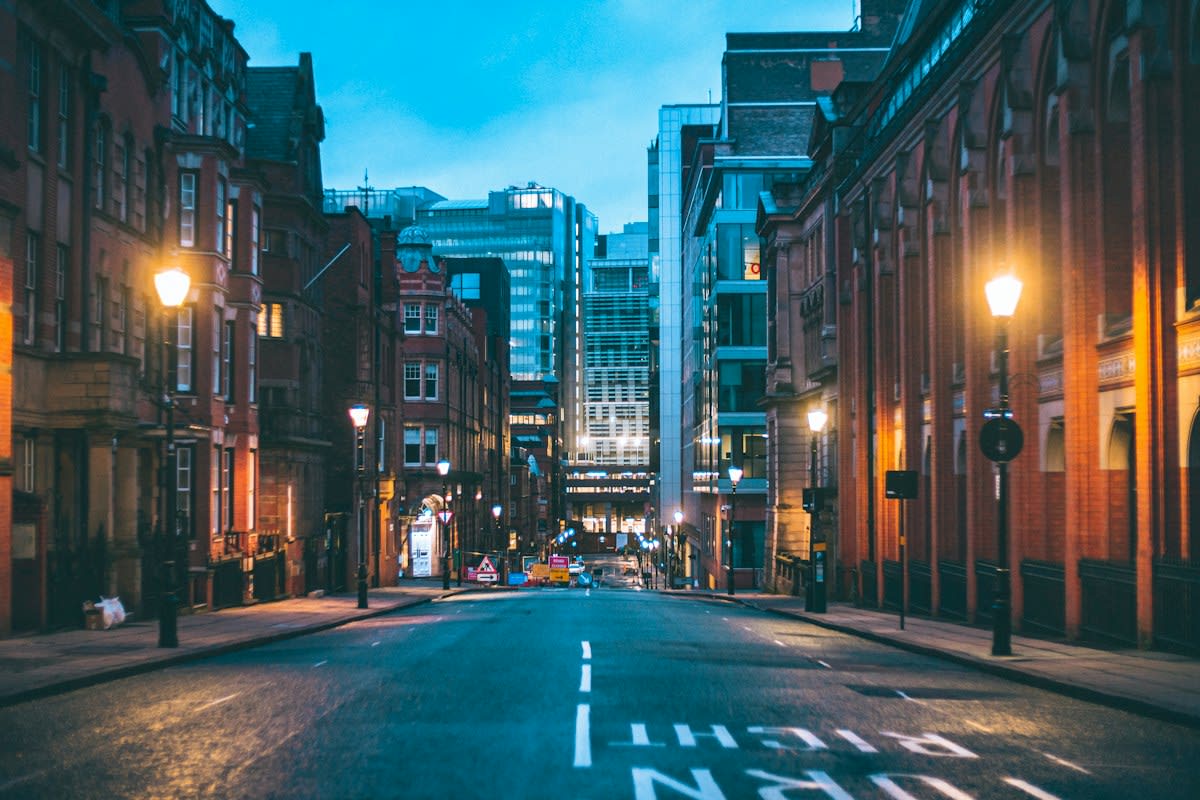
Seoul's fringe districts show similar scars. Gangnam's edges are seeing a devaluation of luxury boutiques. Micro-factories are replacing them. These are not clean rooms. They are gritty, loud, and efficient. The friction here is cultural. The tension between the 'clean' image of the city and the 'dirty' reality of making things.
- Second-order effect: Sudden demand for industrial-grade power in residential grids.
- Third-order effect: Emergence of 'shadow' zoning where laws are ignored by tacit agreement.
- Fourth-order effect: Local workforce pivot from service jobs to technical fabrication.
The shift moves from rent-seeking to value-creation. It is a brutal, necessary correction.
The Institutional Pivot
REITs are panicking. Their portfolios are bleeding. The response is 'Innovation Washing'. They rebrand empty office parks as 'Eco-Innovation Hubs'. They add a coffee shop and some beanbags. They try to capture the energy of the organic movement without taking the risk. (Source: MSCI Real Assets, 2024).
Real innovation ignores the rebranded parks. It stays in the guts of the city. The true value is in the unmanaged space. The spaces where the landlord has given up. That is where the most aggressive iteration happens. Institutional capital is too slow to catch the delta.
We are seeing a 15% shift in venture capital toward 'Physical-First' startups in these devalued zones (Source: Global Venture Report, 2024). The software-only era is hitting a wall. The new edge is where code meets concrete. Devaluation provided the lab.
Editorial Note
Warning: This cycle often ends in 'Innovation Gentrification'. Once the hub succeeds, rents rise. The innovators who built the value are priced out by the capital that wants to own it. The cycle repeats in a cheaper district.
Fact-Check & Accuracy Note
Statistics on commercial yields and adaptive reuse are based on aggregated data from the IMF Urban Outlook (2023), Global Urban Institute (2024), and MSCI Real Assets (2024). Regional examples in Lagos and Shenzhen are based on field reports of industrial zoning shifts.