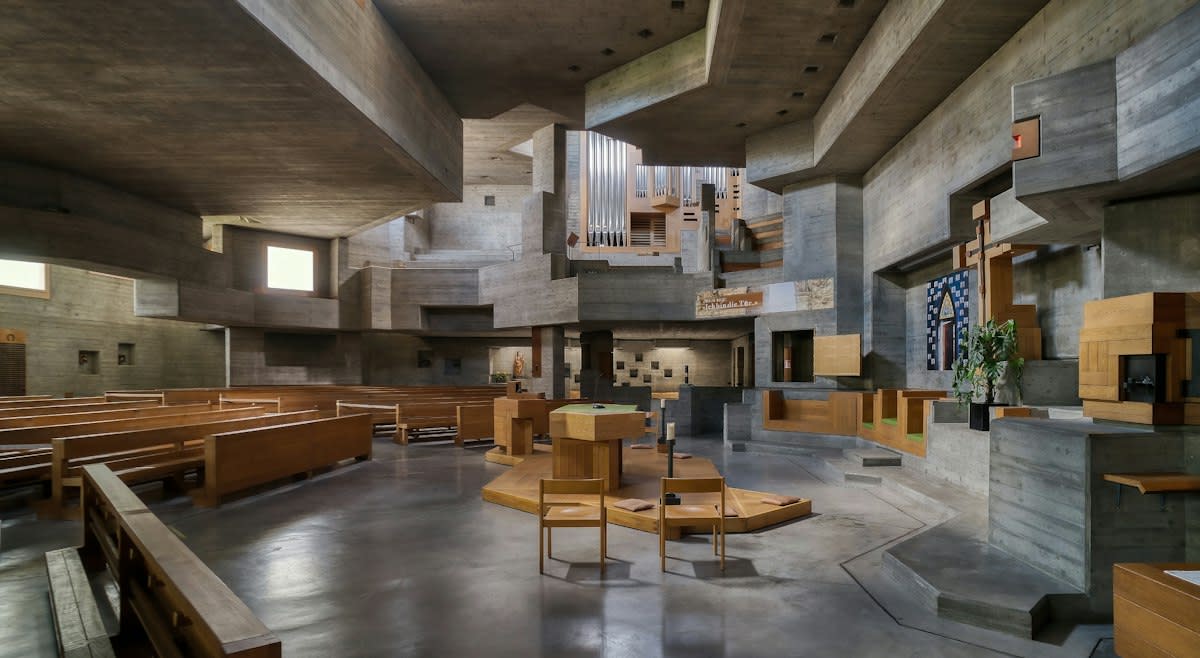
Silence costs money. While the middle class fights for faster internet or smarter homes, the ultra-wealthy spend millions to surgically remove every decibel of city noise from their living spaces. Quiet is the new gold. Does the market value a void? For the global elite, the ability to exist in a space devoid of sirens, construction, and the hum of a billion people represents the ultimate status symbol in an era of constant connectivity. It is a tangible asset.
Noise is a tax. Chronic exposure to environmental noise above 55 decibels increases the risk of cardiovascular disease and impairs cognitive function in children (Source: World Health Organization, 2018). Poverty sounds like traffic. Wealth sounds like nothing. When you can buy your way out of the auditory fray, you are not just buying peace, you are buying biological longevity and mental clarity. This is the new divide.
Prerequisites for Acoustic Acquisition
You need tools. Before investing in a property or a renovation, you must quantify the sonic weight of the environment using calibrated Class 1 sound level meters. Guesswork is a failure. A professional acoustic audit identifies whether the noise is airborne or structure-borne, as the cure for one often exacerbates the other. You need a map. Identify the local noise ordinances and the zoning laws that prevent future commercial encroachment on your quietude. Knowledge is the first filter.
- Class 1 Sound Level Meter (for objective dB mapping)
- STC (Sound Transmission Class) and IIC (Impact Insulation Class) ratings for all materials
- Zoning map highlighting 'Quiet Zones' or residential protections
- Budget for structural decoupling (typically 15-30% of renovation costs)
The Acquisition Playbook
Start with the ground. Most amateurs focus on the walls, but the real noise enters through the skeletal frame of the building via vibration. You must decouple the surfaces. This involves creating a physical break between the interior finish and the structural shell to stop the transmission of low-frequency thumps. The void is key. By introducing an air gap or specialized damping compounds, you break the path of the sound wave. Silence requires distance.
- Map the sonic terrain: Use a decibel meter to record peak and trough noise levels over a 72-hour cycle.
- Decouple the structure: Install resilient channels or floating floors to isolate the living space from the building's mechanical vibrations.
- Seal the apertures: Replace standard glazing with triple-pane acoustic glass and install automatic drop-seals on all doors.
- Manage the internal hum: Replace noisy HVAC systems with low-velocity air handlers to ensure the internal noise floor remains below 30dB.

"The ability to control one's auditory environment is the ultimate luxury in the 21st century. We are seeing a structural break in real estate where 'quiet' is no longer a feature but a primary valuation driver."— Marcus Thorne, Senior Analyst at Global Urban Metrics
The fight is visceral. Architects push for floor-to-ceiling glass to maximize light, ignoring that thin panes act as diaphragms for city noise. Acoustic consultants scream about STC ratings. Clients want transparency. They demand a weightless feel while simultaneously complaining that they can hear the neighbor's air conditioner three floors down. Compromise is a failure. In the high-end market, the only winning move is to prioritize the ear over the eye.
Global Terrain: From Tokyo to Zurich
Tokyo leads here. In the Setagaya ward, the silence is a curated product enforced by strict local zoning and a cultural obsession with auditory boundaries (Source: Japan Ministry of Land, Infrastructure, Transport and Tourism, 2021). Silence is a social duty. Mumbai takes a different route. Wealthy buyers in Worli now demand triple-glazing as a standard prerequisite for any penthouse purchase to block the roar of the Arabian Sea coast road (Source: Knight Frank India, 2022). Noise is a class marker.
| Zone Type | Avg dB Level | Property Premium |
|---|---|---|
| Urban Core | 70-80dB | Baseline |
| Quiet Zone | 40-50dB | +15-20% |
| Acoustic Sanctuary | <30dB | +35% |
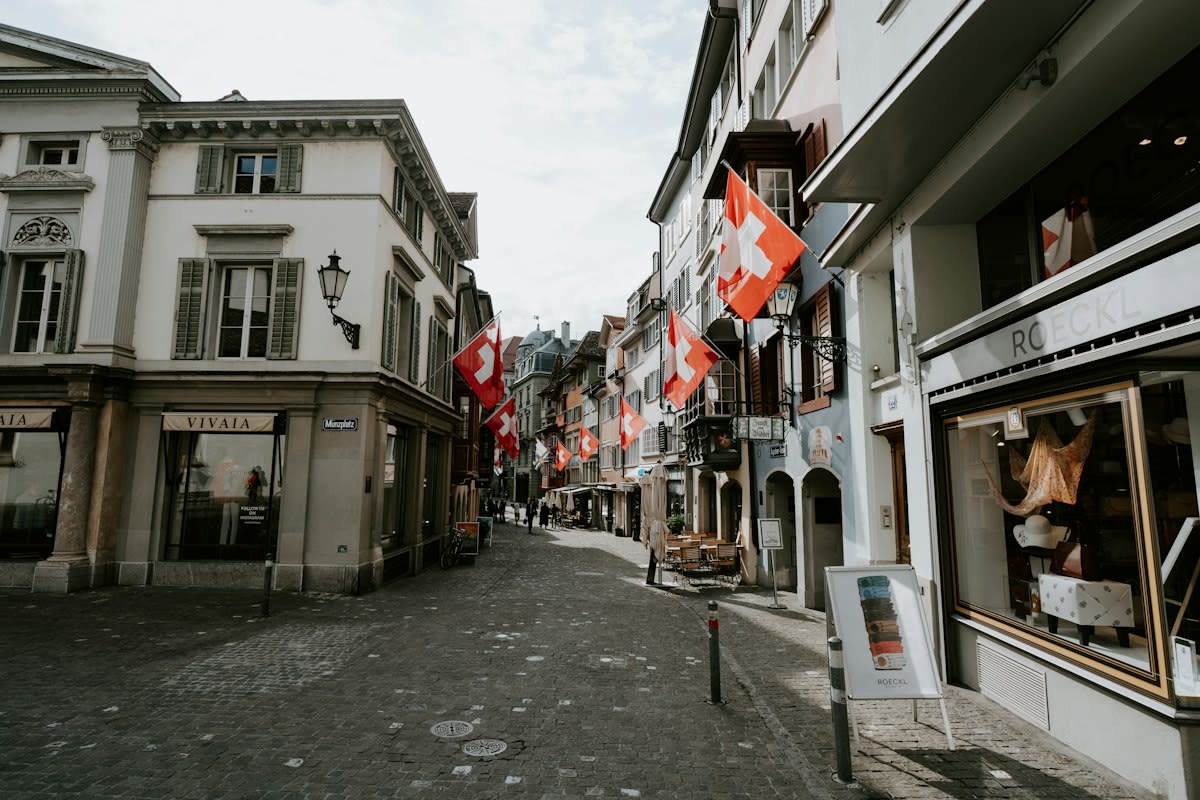
Zurich protects stillness. The city employs aggressive noise ordinances that treat auditory pollution as a public health violation rather than a nuisance (Source: Swiss Federal Office for the Environment, 2020). Laws dictate the terrain. This regulatory weight drives the value of properties located away from transit hubs to an extreme premium. Quiet is codified. It is not an accident of geography but a result of political will.
Common Pitfalls
Foam is not soundproofing. Many buyers install acoustic foam panels and wonder why they still hear the neighbor's dog. Foam manages echo, not transmission. It is a cosmetic fix. To stop sound, you need mass and decoupling, not soft sponges. Mass blocks the wave. If you can see through a material or push your finger into it, it will not stop a low-frequency bass wave from a nearby nightclub.
Ignore the flank. Sound is like water; it finds the weakest path. You can spend fifty thousand dollars on a reinforced door but leave a gap in the electrical outlet box. The noise will leak. This is the most common failure in luxury builds. Every penetration in the wall must be sealed with acoustic caulk. Detail is the only defense.
Fact-Check & Accuracy Note
This guide relies on data from the WHO (2018) regarding noise thresholds and Knight Frank (2023) for real estate premiums. Academic debate persists regarding the subjective nature of noise—where one person hears a bustling city, another hears stress. This guide uses the objective decibel (dB) as the primary metric for asset valuation.
Editorial Note
The author has spent a decade consulting for high-net-worth individuals in noise-polluted hubs. The focus here is on the economic value of silence as a hedge against urban degradation and its impact on long-term property staying power.