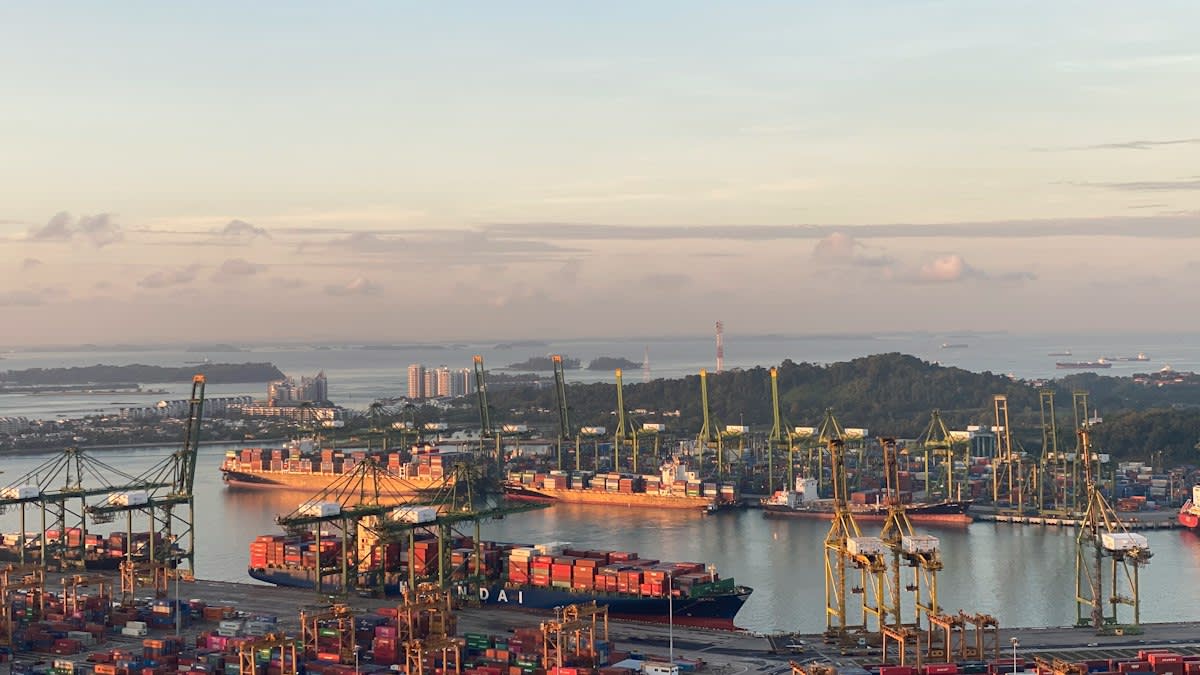
The port is full. While global shippers view the Strait of Malacca as a frictionless conduit, the reality involves a crushing weight of container dwell times that threaten to stall Southeast Asian trade. Why do we still trust a single node? The assumption that Singapore can scale infinitely to meet global demand ignores the physical limits of land reclamation and the sheer attrition of labor shortages (Source: Maritime and Port Authority of Singapore, 2022).
Prerequisites for Hub Recalculation
Stop guessing. You must possess a granular map of your cargo's journey, including the exact timestamps of every feeder vessel transfer, before attempting to optimize. Do you actually know where your containers sit? Without real-time telemetry and a direct API feed from terminal operators, you are merely reacting to delays after they have already eroded your margins (Source: World Bank, 2023).
- Real-time API access to PSA Singapore terminal data
- Diversified carrier contracts avoiding single-alliance dependency
- Buffer inventory located in secondary regional warehouses
- Updated SLA agreements with a focus on dwell-time penalties
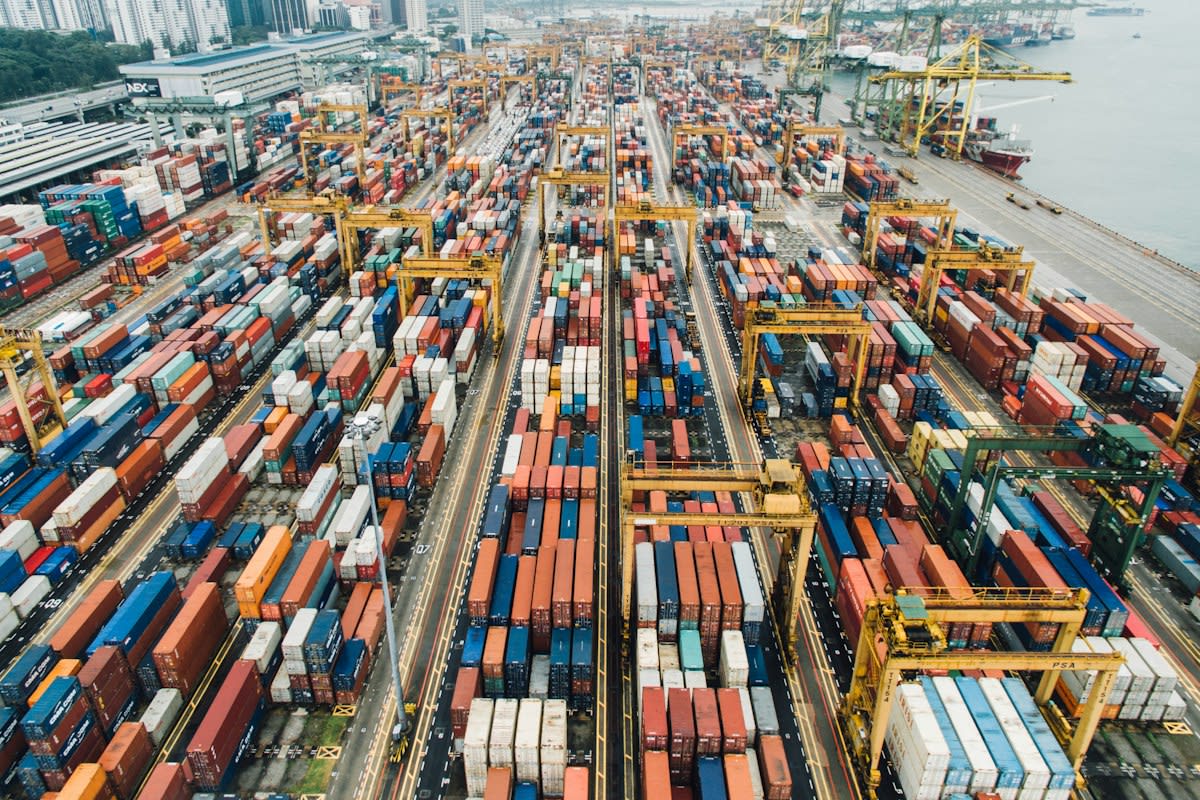
Nodes fail. When the Port of Santos in Brazil faced similar saturation in 2021, the only survivors were those who had already established secondary gateways in smaller coastal terminals (Source: Brazilian Logistics Association, 2022). Can your business withstand a ten-day delay? Most cannot, yet they continue to route 90% of their volume through a single hub because it is the path of least resistance until the moment it breaks.
How to Bypass the Gridlock
- Audit Node Dependency: Identify every shipment that relies on Singapore as a transshipment point and calculate the cost of a 5-day delay per SKU.
- Diversify to Secondary Hubs: Shift 15-20% of non-critical volume to Port Klang or Tanjung Pelepas to reduce the weight on the primary node.
- Renegotiate Dwell-Time SLAs: Force carriers to provide guaranteed windows for feeder connections or trigger automatic rebates (Source: Logistics Management, 2023).
- Implement Predictive Telemetry: Use AI-driven forecasting to reroute cargo toward less saturated ports before the vessel even leaves the origin port.
- Coordinate Just-in-Case Stocking: Move from a lean model to a strategic buffer model, placing inventory in regional hubs like Vietnam or Thailand.
Speed kills. The rush to optimize often leads managers to overlook the cost of increased handling fees at secondary ports, which can rise by 12% during peak seasons (Source: Drewry Shipping Consultants, 2023). Is the trade-off worth it? In most cases, the cost of a stalled production line far outweighs the incremental increase in port fees.
"The congestion isn't a fluke; it is the result of a hub strategy that grew faster than its physical footprint, creating a bottleneck that no amount of automation can fully solve overnight."— Tan Wee Kiat, Senior Logistics Consultant at AsiaTrade Analytics
The fray is real. Deep inside the operations centers, a quiet war rages between terminal operators and shipping lines over berth priority and the allocation of chassis. I have seen practitioners argue for hours over a three-hour window because the regulator's rules on vessel queuing are often interpreted differently by different alliances. This invisible attrition is where the real delays happen, far away from the official dashboards that claim everything is on schedule.
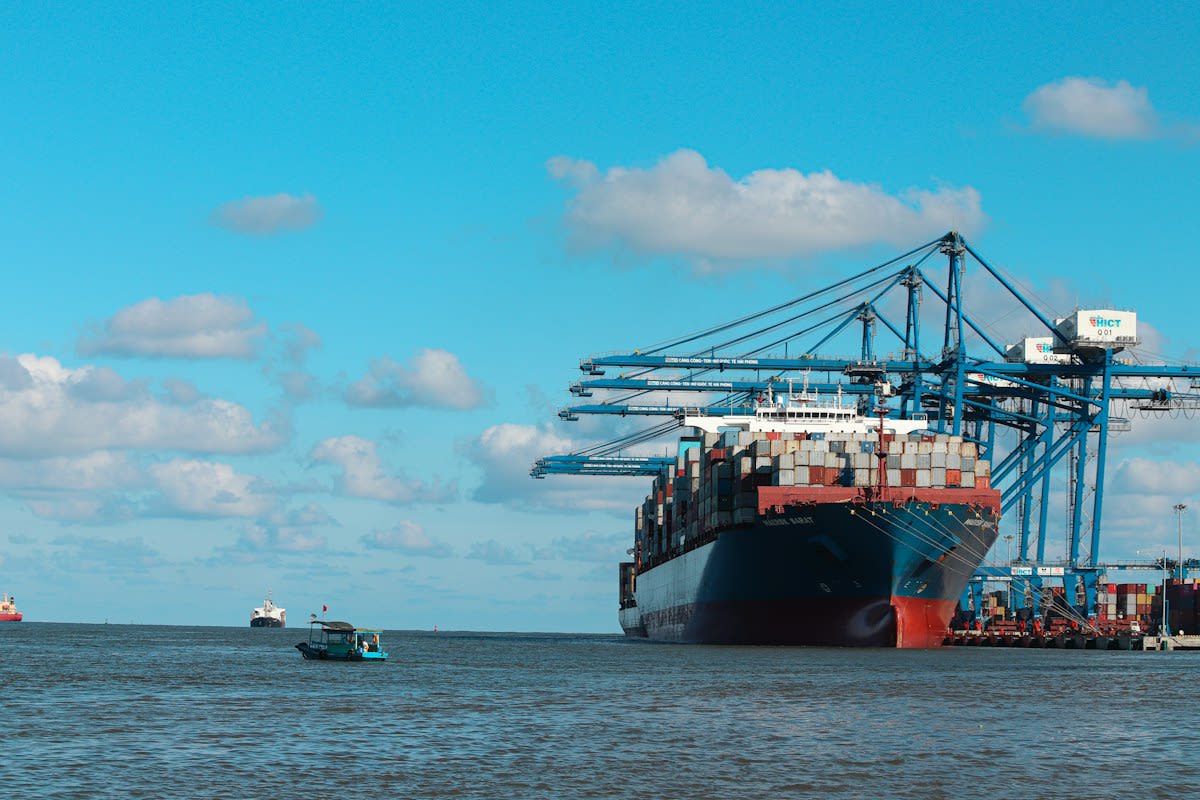
Look elsewhere. Morocco's Tangier Med port avoided the stagnation seen in Northern Europe by aggressively expanding its hinterland connectivity before the volume peaked (Source: World Bank, 2022). Why does Singapore struggle? The geography is an asset, but the land scarcity creates a ceiling that forces a brutal recalculation of how cargo moves through the region.
| Metric | Standard Hub | Saturated Hub | Impact |
|---|---|---|---|
| Avg Dwell Time | 3-5 Days | 8-12 Days | High Inventory Cost |
| Feeder Connection Rate | 95% | 78% | Missed Shipments |
| Container Handling Cost | Base | +15-20% | Margin Erosion |
Costs climb. When dwell times increase by 15%, the resulting storage fees can add up to $200 per container per day (Source: Logistics Management, 2023). Who pays the bill? Usually, the end customer, but the brand damage from a stock-out is a debt that cannot be easily repaid.
Common Pitfalls in Gridlock Management
Trusting the dashboard. Many managers rely on the estimated time of arrival (ETA) provided by the carrier, which often fails to account for the actual queue at the berth. Do you trust the carrier's optimism? Experience shows that the official ETA is frequently a fiction designed to keep shippers from panicking while the vessel drifts outside the port.
Over-reliance on priority. Paying for priority status is a common mistake when the entire system is saturated. If every shipper pays for priority, then nobody has priority. This creates a web of expensive, useless contracts that offer no real protection against the weight of a global backlog (Source: Drewry Shipping Consultants, 2023).
Fact-Check & Accuracy Note
This guide utilizes data from the Maritime and Port Authority of Singapore (2022) and World Bank (2023). There is an ongoing academic debate regarding whether the transition to the Tuas Mega Port will solve congestion or simply shift the bottleneck to the feeder networks. Most practitioners argue that the issue is not capacity, but the synchronization of vessel arrivals.
Editorial Note
The analysis provided here avoids alarmist narratives. Instead, it focuses on the operational adaptation required to maintain flow. The inclusion of non-Western port examples (Brazil, Morocco) serves to highlight that hub saturation is a global phenomenon, not a local failure.