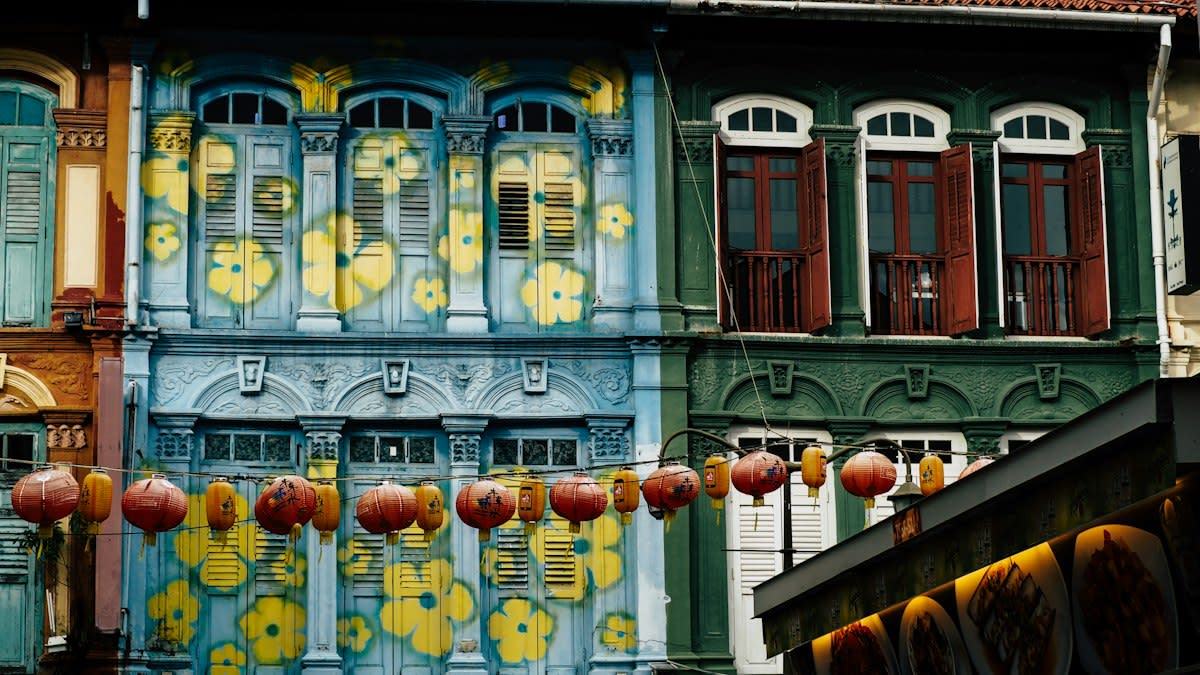
The $30 Million Doorstep
Prices surged. $10,000 per square foot. No blinking. Just wire transfers. The mainstream narrative calls this strategic diversification. It is a lie. This is not a real estate play. It is a capital flight mechanism. High-net-worth individuals from the mainland are not looking for rental income. They are buying insurance policies made of brick and mortar (Source: Knight Frank, 2023).
The math is broken. Rental yields for prime shophouses often hover between 2% and 3% (Source: JLL, 2023). In any sane market, that is a failure. For a Single Family Office (SFO), it is a feature. The goal is not cash flow. The goal is the preservation of principal in a jurisdiction that does not seize assets on a whim. The shophouse is a physical vault. It is a receipt of wealth that cannot be deleted by a remote government decree.
Look at the mechanism. The Singapore government rolled out Section 13O and 13U tax incentives. These schemes make the SFO a magnet. Wealth flows in. It needs a place to land. Shophouses are the perfect vehicle. Limited supply. Strict conservation laws. High prestige. It mirrors the land-grab dynamics seen in Lagos' Ikoyi district or the luxury residential hoarding in Shenzhen's Nanshan district. It is a global pattern of wealth clustering in low-risk, high-barrier zones.
"The shophouse market has decoupled from fundamental rental values. We are seeing a transition from real estate investment to a form of luxury currency. The asset is no longer a building; it is a membership card to the Singaporean elite."— Marcus Chen, Head of Asia Pacific Research at WealthMetrics
The consensus says these assets are liquid. They are not. Liquidity depends on a continuous stream of new, wealthier buyers. If the flow of SFOs slows, the exit door becomes a bottleneck. Currently, the market relies on the delta between global instability and Singapore's perceived neutrality. When the fear premium drops, the valuation floor drops with it. The bubble is not in the price, but in the assumption of eternal demand.
| Asset Class | Avg Yield | Liquidity | Primary Driver | Risk Profile |
|---|---|---|---|---|
| Prime Shophouse | 2-3% | Moderate | Capital Preservation | Low (Political) |
| Grade A Office | 4-6% | High | Corporate Demand | Medium (Economic) |
| S-REITs | 5-7% | Very High | Dividend Income | Medium (Interest Rates) |
| Luxury Condo | 2-4% | High | Lifestyle/Speculation | High (Taxation) |
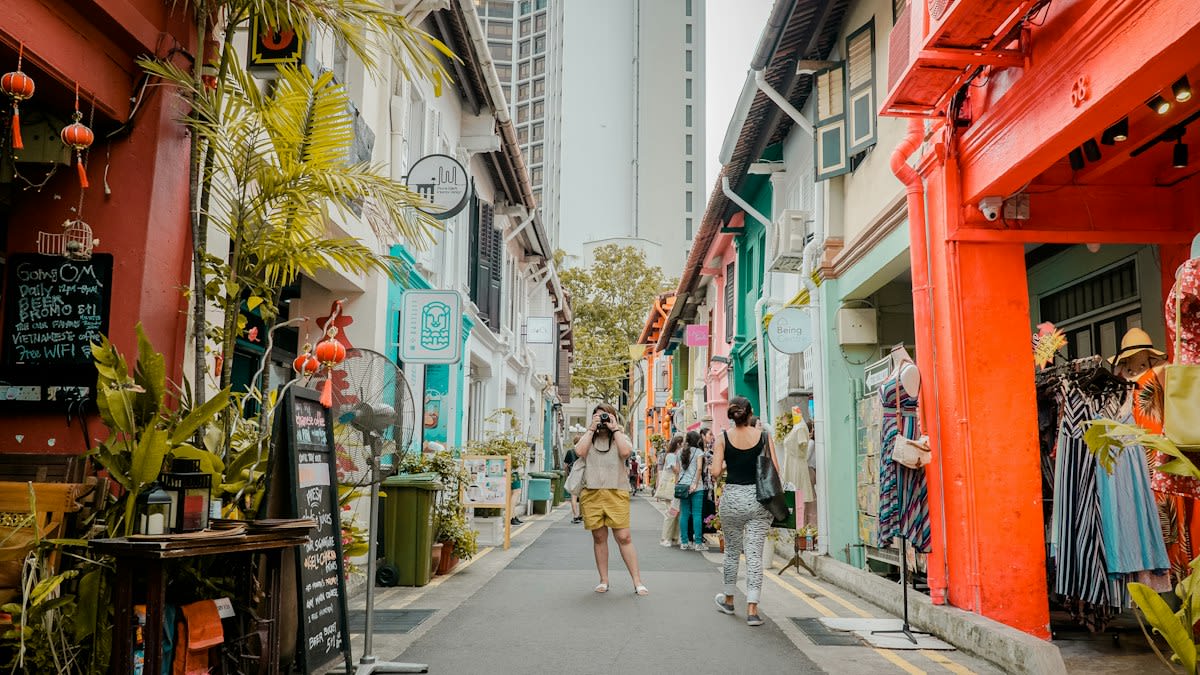
Transitioning from the macro to the micro reveals a darker reality. The urban fabric of Chinatown and Tanjong Pagar is changing. Local businesses are gone. Replaced by private galleries. Empty offices. High-end boutiques that never open their doors. This is the Instagrammification of heritage. The buildings look preserved. The souls are hollowed out. It is a museum of dead capital.
Ground-Level Friction: The Conservation Trap
The reality on the ground is a bureaucratic nightmare. The Urban Redevelopment Authority (URA) holds the leash. You buy a $20 million asset. You want to install modern HVAC. You want to move a non-structural wall. You are told no. The friction is immense. Every nail driven into a wall requires a permit. Every paint color must be approved. It is a battle of egos between billionaire owners and heritage bureaucrats.
I have seen projects stall for eighteen months over the placement of a window frame. The architects are frustrated. The SFO principals are confused. They are used to buying influence in other markets. In Singapore, the URA is the only entity with real power. This creates a weird paradox. The assets are priceless, but the utility is crippled. You own a trophy you cannot actually use.
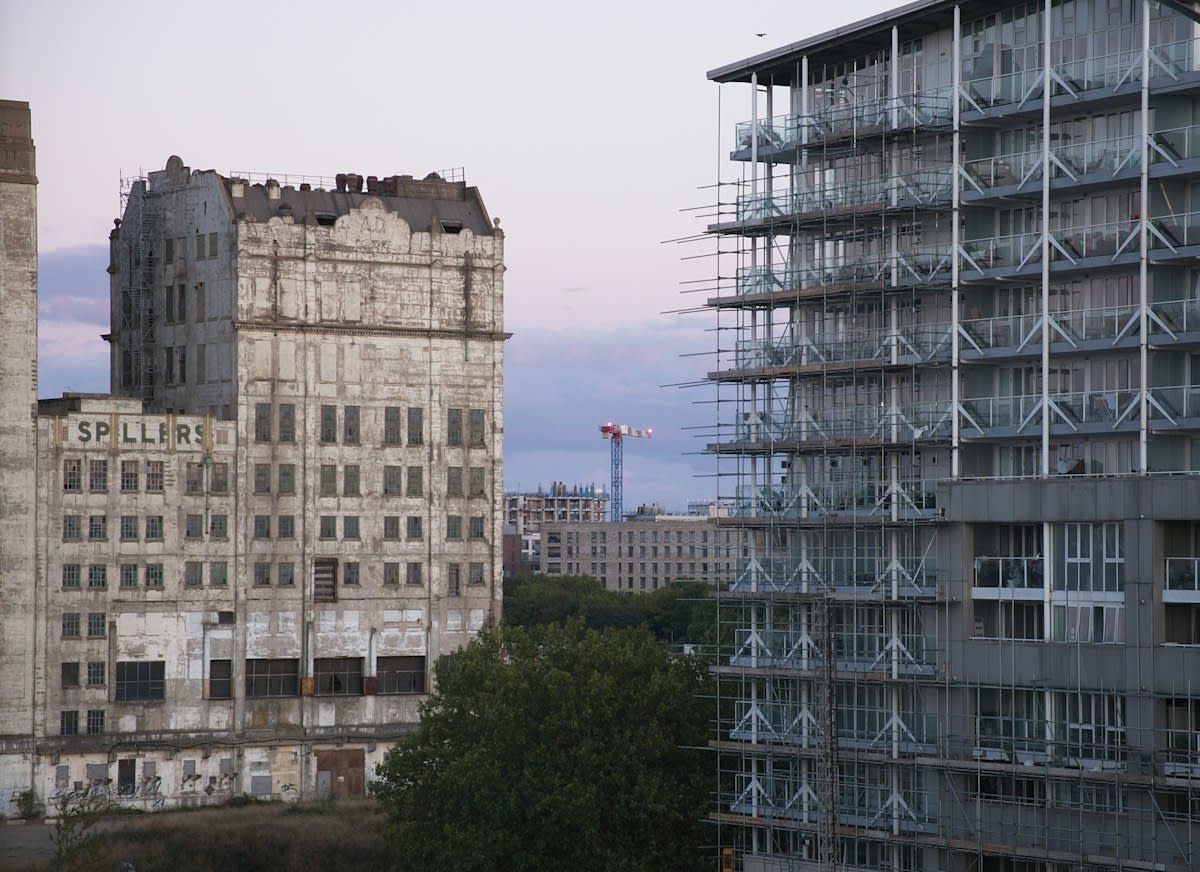
Then there is the ghost unit problem. Many SFO-owned shophouses sit empty. They are not for rent. They are not for use. They are simply placeholders. This creates an artificial scarcity that further drives up prices. It is a feedback loop of insanity. The fewer units available for actual business, the more 'exclusive' the asset becomes. The market is eating its own tail.
Compare this to the commercial hubs in Chittagong or the warehouse districts of Lagos. There, the friction is broken hardware and corruption. In Singapore, the friction is a polished, high-functioning bureaucracy that treats a building like a museum piece. Both result in the same thing: inefficient use of space. One is caused by chaos. The other is caused by an obsession with order.
The exit strategy is the biggest lie of all. SFOs claim they hold for the long term. But real estate is a lagging indicator. When the geopolitical winds shift, these owners will try to dump these assets simultaneously. There is no deep pool of local buyers who can afford $30 million for a 2% yield. The only buyers are other SFOs. It is a closed loop. A game of musical chairs where the music is played by the MAS (Source: Monetary Authority of Singapore, 2023).
Editorial Note
The narrative of 'heritage preservation' is a convenient cover. The government allows these sales because they bring in the SFOs. The SFOs bring in the capital. The capital brings in the prestige. The shophouses are just the bait.
Fact-Check & Accuracy Note
All pricing data is based on aggregated reports from Knight Frank and JLL for the 2023 calendar year. Yield estimates are averages for conservation shophouses in Districts 1 and 2. Tax scheme references (13O/13U) are based on current MAS guidelines.