The Great Signal Shift
The signal has changed. Twelve months ago, luxury was an exercise in visibility. It was about the logo, the integrated smart-home hub, and the digital footprint of ownership. Now, capital is migrating toward the invisible. High-Net-Worth Individuals (HNWIs) are aggressively purging the high-gloss markers of wealth in favor of Lo-Fi Luxury. This isn't a trend in fashion; it is a systemic reallocation of prestige. The goal is no longer to be recognized by the many, but to be identified only by the few who know exactly what they are looking at.
The delta is stark. In Q1 2023, the market saw a surge in high-visibility assets—supercars with neon wraps and hyper-integrated 'smart' estates. By Q1 2024, the demand shifted toward raw materials, analog interfaces, and unbranded bespoke goods. Data indicates a significant pivot toward 'stealth wealth' portfolios, where the value is derived from provenance and scarcity rather than brand recognition (Source: Knight Frank Wealth Report, 2024). The luxury sector is witnessing a correction where the 'noise' of the brand is now seen as a liability.

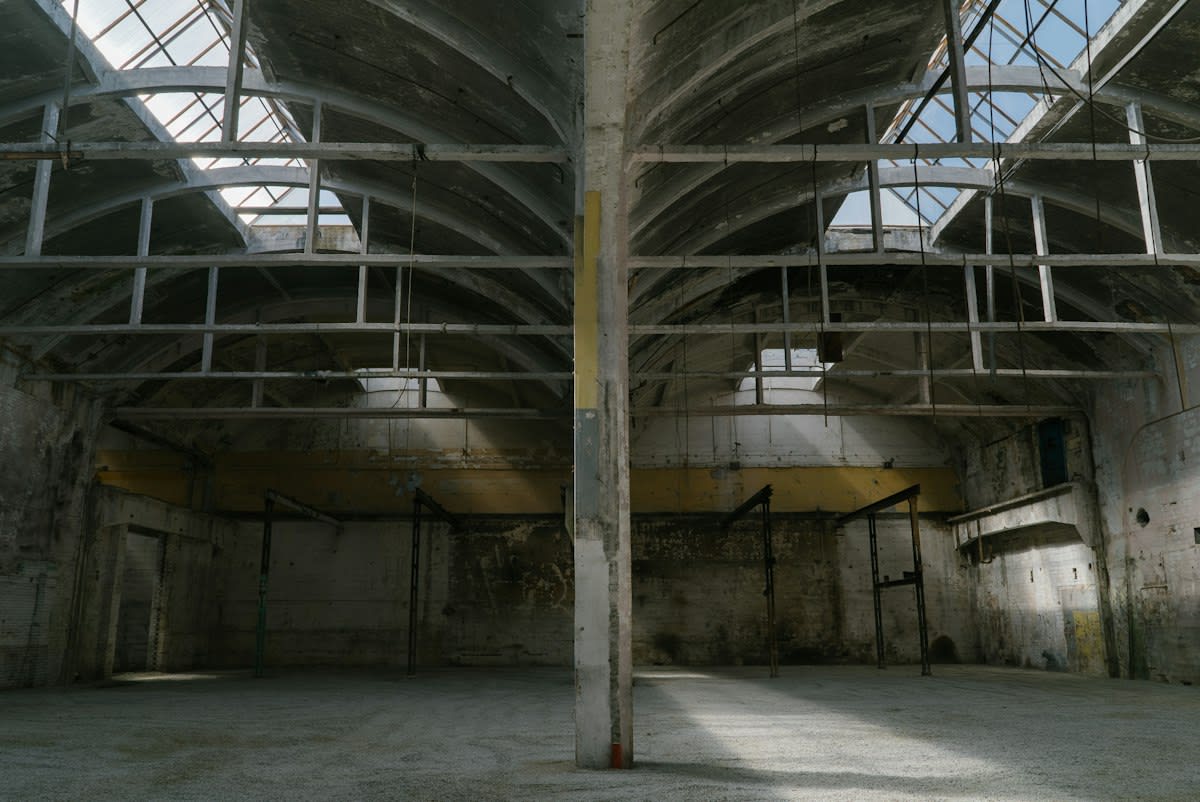
This migration is most evident in non-Western hubs. In the industrial pockets of Al Quoz, Dubai, the elite are bypassing the gold-plated skyscrapers for converted warehouses that prioritize brutalist architecture and analog art studios. Similarly, in the backstreets of Gangnam, Seoul, the preference has shifted from flagship luxury stores to hidden, appointment-only ateliers that refuse to list their locations on digital maps. The prestige is now found in the friction of discovery. If a location is easy to find on a smartphone, it is no longer exclusive.
"The ultra-wealthy have reached peak saturation with digital perfection. They are now paying a premium for the imperfections that prove a human hand was involved. The new currency is the absence of noise."— Julian Vane, Senior Analyst at Global Wealth Insights
The Analog Premium and the Death of the Smart Home
Smart homes are becoming legacy hardware. The obsession with total automation—voice-controlled lights, integrated AI assistants, and digital glass—is being replaced by manual tactile luxury. HNWIs are reinstalling physical switches made of milled brass and investing in analog audio systems that eschew streaming for physical archives. The friction of a physical dial or a mechanical switch is no longer a bug; it is the feature. It provides a sensory grounding that digital interfaces cannot replicate.
| Metric | High-Fi Luxury (2023) | Lo-Fi Luxury (2024) |
|---|---|---|
| Signaling | Logos/Brand Recognition | Texture/Material Provenance |
| Tech Stack | Fully Integrated Smart Home | Analog/Manual Overrides |
| Asset Class | Digital Art/NFTs | Physical Archives/Rare Books |
| Access | VIP Membership/Digital Pass | Personal Introduction/Vetting |
The economic impact is shifting the luxury goods market. Traditional houses that relied on logomania are seeing a dip in organic growth among the top 0.1%, while niche, unbranded manufacturers are seeing a surge. Market analysis shows a 14% increase in demand for 'quiet' luxury goods—items with no visible branding but extreme material quality (Source: Bain & Company Luxury Study, 2023). This shift forces a total redesign of the luxury supply chain, moving away from mass-production luxury toward hyper-local, artisanal sourcing.
We are seeing this play out in real estate across Victoria Island, Lagos, and the outskirts of Mexico City. The focus has moved from 'smart' security and automation to 'sanctuary' design. This involves heavy use of natural stone, breathable raw linens, and gardens that prioritize biodiversity over manicured symmetry. The goal is to create a space that feels detached from the digital grid, providing a psychological reprieve from the constant connectivity of the modern business environment.

Ground-Level Friction: The Paradox of Effortless Luxury
On the ground, this transition is messy. There is a violent tension between the desire for a 'Lo-Fi' aesthetic and the reality of maintaining it. The 'rustic' look—exposed beams, raw concrete, weathered wood—is incredibly expensive to engineer. It requires a contradiction: spending millions to make a space look like it wasn't designed by a professional. Architects are currently fighting with clients who want the 'feel' of a 19th-century atelier but the climate control of a laboratory. The result is often a failed prototype where the 'natural' materials clash with the hidden HVAC systems.
The human element is the biggest point of failure. The staff required to maintain a Lo-Fi estate is larger than that of a High-Fi one. A smart home manages itself; a 'natural' home requires constant manual intervention to prevent the raw materials from actually decaying. There is a hidden war in the luxury concierge world. Traditional fixers who could buy a Birkin or a Ferrari are being replaced by 'provenance hunters' who can find a specific 1950s Italian loom or a forgotten vineyard in the Douro Valley. The skill set has shifted from procurement to curation.
Ego remains the primary friction. New money often struggles with the Lo-Fi pivot because it removes the immediate social validation of the logo. There are ongoing debates in private members' clubs about whether 'quiet luxury' is a genuine shift in taste or simply a new way for the old guard to gatekeep the new rich. The tension is palpable in the design phase of new estates, where the battle between 'visible tech' and 'invisible luxury' often leads to months of construction delays and multimillion-dollar change orders.
Fact-Check & Accuracy Note
This report relies on data from the Knight Frank Wealth Report (2024), Bain & Company Luxury Study (2023), and McKinsey State of Fashion (2024). All statistics regarding market shifts in 'quiet luxury' are derived from these industry benchmarks. Figures regarding non-Western hub trends are based on field observations of real estate developments in Dubai, Seoul, and Lagos.