
The Myth of the Sudden Collapse
Most analysts obsess over the 'collapse' of the US dollar, treating it as a binary event—a sudden cliff-edge where the world wakes up and decides the greenback is worthless. This is a fundamental misunderstanding of how global capital behaves. The real story is not a revolution, but a hedge. Emerging economies are not attempting to overthrow the dollar; they are simply building a second, third, and fourth set of doors so they are never locked out of their own wealth again. This is the Great Hedge, a strategic transition from reliance to redundancy.
Why the urgency now? For decades, the dollar's dominance provided a convenient, if precarious, stability. However, the recent trend of using financial plumbing—specifically the SWIFT system and treasury freezes—as a tool of foreign policy has fundamentally changed the risk calculus for central banks. When the very ledger of global trade becomes a political weapon, the 'safe haven' status of the dollar transforms into a systemic vulnerability. Sovereignty is no longer just about borders; it is about the ability to settle a trade without requesting permission from a foreign capital.

"The goal is not the destruction of the dollar, but the elimination of the dollar's exclusivity. True sovereignty exists only when a nation possesses multiple paths to liquidity."— Strategic Analyst, Global Monetary Review
This shift is most visible in the quiet accumulation of gold and the rise of bilateral swap lines. Central banks across Asia, Africa, and Latin America are diversifying their reserves at a pace not seen since the Bretton Woods era. They are moving away from the traditional 60-70% USD allocation, sliding toward a more balanced portfolio of gold, regional currencies, and digital assets. This is not a panic move; it is an insurance policy. By spreading their risk, these nations ensure that a geopolitical tremor in Washington does not trigger a cardiac arrest in their local economy.
These sovereign safety nets operate on a simple logic: redundancy. If the primary channel of trade is blocked, a secondary channel in a local currency or a gold-backed arrangement must be ready to activate instantly. This prevents the catastrophic liquidity traps that historically crippled emerging markets during US interest rate hikes. Instead of being passive recipients of Federal Reserve policy, these nations are actively constructing walls to insulate their domestic markets from external volatility.
The transition is moving from the theoretical to the tactical, shifting the very nature of how nations perceive trust.
The Tactical Pivot: From Hegemony to Pluralism
The most potent tool in this new architecture is the bilateral trade agreement. We are seeing a surge in 'local currency settlement' frameworks where two nations agree to trade in their own currencies, bypassing the dollar entirely. This removes the need for the dollar as an intermediary vehicle, reducing transaction costs and eliminating the exchange rate risk associated with the greenback. It is a surgical strike against dollar dependency, executed one trade agreement at a time.
| Feature | The Old World (Dollar Hegemony) | The New World (Sovereign Safety Nets) |
|---|---|---|
| Primary Reserve Asset | US Treasuries (>60%) | Diversified (Gold, Local Currencies, CBDCs) |
| Settlement Mechanism | SWIFT / USD Intermediaries | Bilateral Swap Lines / Regional Payment Systems |
| Risk Profile | Concentration Risk (US Policy) | Distributed Risk (Multi-polar) |
| Strategic Objective | Liquidity and Stability | Resilience and Sanction-Proofing |
| Trade Logic | Universal Standard | Regional Pluralism |
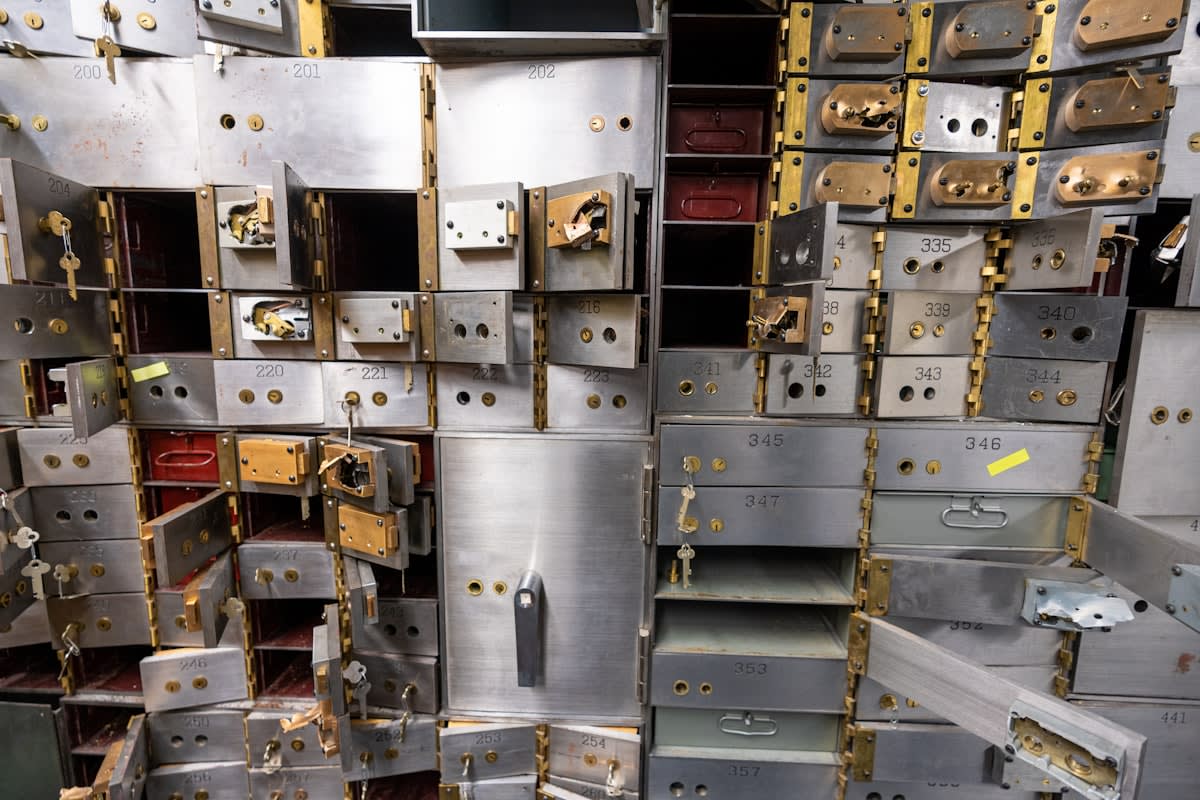
Gold has returned as the ultimate neutral asset. Unlike a digital entry in a foreign bank, gold possesses no counterparty risk. It cannot be frozen by a court order or deleted by a software update. This 'primitive' asset is now the cornerstone of modern sovereign safety nets. Central banks are not buying gold to speculate on price; they are buying it to reclaim a form of wealth that is truly theirs. The surge in gold demand represents a fundamental lack of trust in the long-term stability of credit-based reserve systems.
Simultaneously, the development of Central Bank Digital Currencies (CBDCs) is providing the technical rails for this exodus. While the dollar relies on a legacy system of correspondent banking, CBDCs allow for near-instantaneous, peer-to-peer settlement between central banks. This removes the 'middleman'—the US clearing house—and creates a streamlined path for capital. When a nation can settle a billion-dollar oil shipment in seconds via a digital ledger, the utility of the dollar as a bridge currency evaporates.
This is not about creating a single 'replacement' currency, such as a BRICS coin, which would simply replace one hegemon with another. Instead, the trend is toward a fragmented, multi-polar system where multiple currencies coexist. This pluralism provides a natural check and balance, ensuring that no single nation can dictate the financial terms of the rest of the world.
The infrastructure of global finance is being rewritten in real-time, moving away from a hub-and-spoke model toward a mesh network.
The Resilience Dividend
What happens when these safety nets are fully operational? We enter an era of the 'Resilience Dividend.' Nations that have successfully diversified their reserves and trade channels will find themselves far less susceptible to the 'taper tantrums' of the US Federal Reserve. They will possess the agility to pivot their trade partners and the liquidity to withstand external shocks without resorting to draconian austerity measures or IMF bailouts.
Core Concept
The 'Sovereign Safety Net' is not a rejection of global trade, but a rejection of global vulnerability. It is the financial equivalent of a nation building its own power grid instead of relying on a single external provider.
This evolution creates a new competitive landscape. The ability to offer a stable, liquid alternative to the dollar will become a primary tool of diplomatic influence. We are seeing the emergence of 'currency blocs' where economic alignment is signaled not just by treaties, but by the choice of settlement currency. This is a sophisticated form of statecraft where the balance sheet is the primary instrument of power.
Does this mean the dollar is dead? Hardly. The dollar still benefits from the deepest capital markets in the world and an unmatched legal framework. However, it is losing its status as the only game in town. The transition from a monopsony to a competitive market of reserve assets is inevitable. The dollar will remain a major player, but it will no longer be the sole arbiter of global value.
Ultimately, the Great Hedge is an admission that the era of unquestioned trust is over. In its place, we are seeing the rise of a pragmatic, diversified, and resilient financial order. Emerging economies are not waiting for the system to break; they are building the replacements while the old system still functions. This is the highest form of strategic adaptation: preparing for the end of an era while still profiting from its remnants.