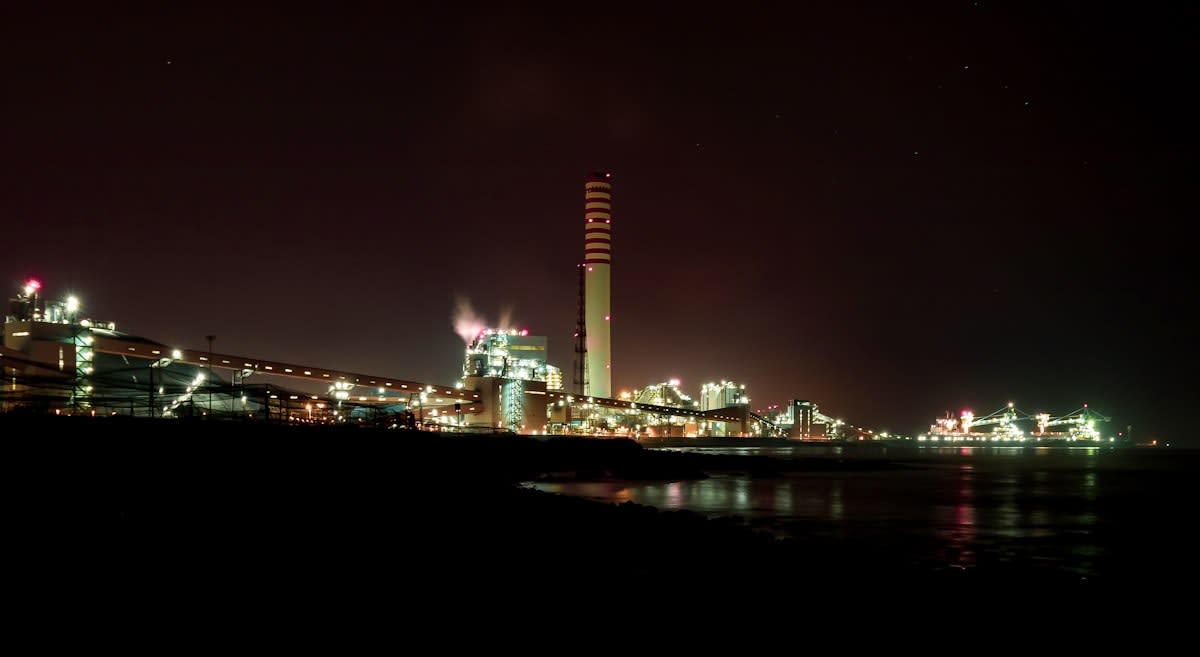
The global trade map is being redrawn, not by diplomats in boardrooms, but by the raw geology of the earth. For decades, the deal was simple: developed nations provided the capital and technology, and resource-rich nations provided the raw materials. That pact is dead. We are witnessing the rise of the New Resource Curtain, where mineral-rich states are no longer content to be the world's quarry. They are now leveraging their deposits of lithium, nickel, and cobalt to force a fundamental shift in where value is created.
Why now? The catalyst is the global energy transition. As the world pivots toward electrification, the demand for critical minerals has shifted from a niche industrial requirement to a matter of national security. This shift has handed unprecedented leverage to a handful of nations. They realize that owning the mine is no longer enough; they want to own the refinery, the battery plant, and the final product. This isn't just about higher taxes—it is about mandatory industrialization.
The Downstreaming Doctrine
Indonesia provides the most aggressive blueprint for this new era. By banning the export of raw nickel ore, Jakarta effectively forced global mining giants and Chinese investors to build smelters and processing plants on Indonesian soil. The goal was clear: move up the value chain. The results have been stark. According to the International Energy Agency (Source: IEA, 2023), this strategy of downstreaming has transformed Indonesia from a raw material exporter into a burgeoning hub for battery precursor production.
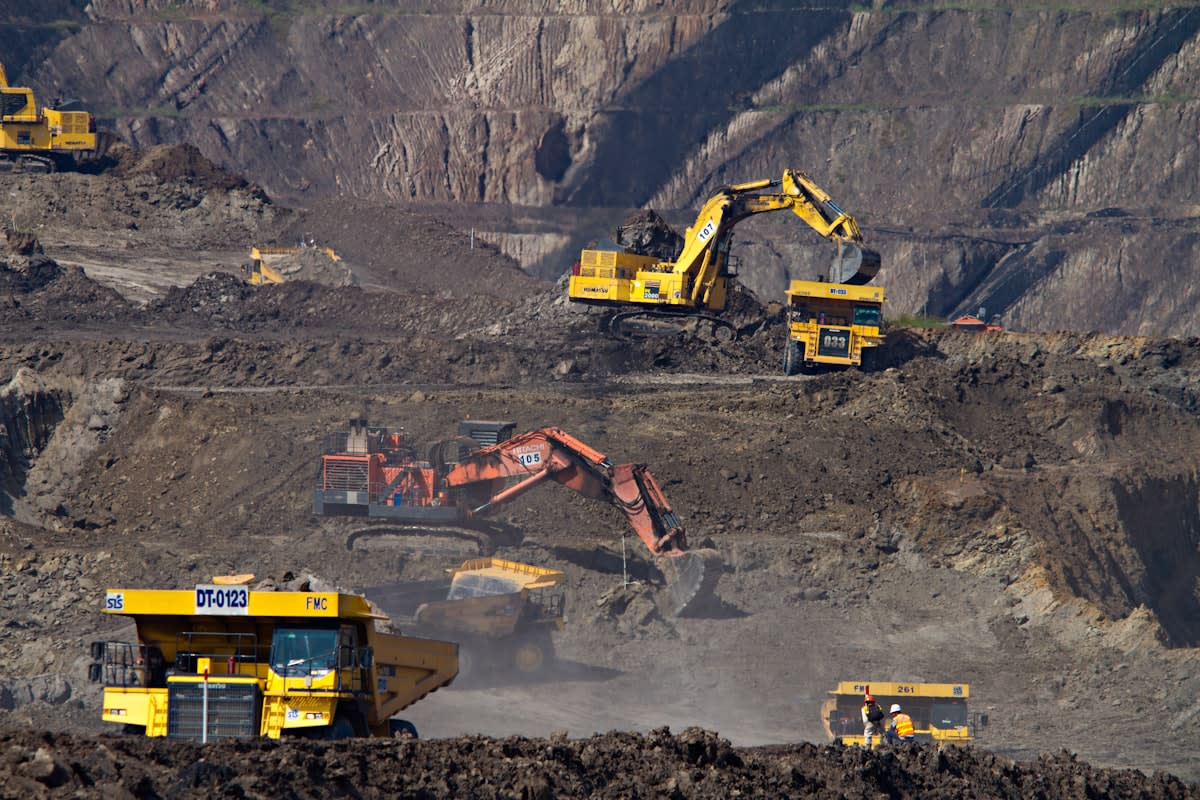
Is this a viable model for others? We are seeing the contagion spread. Zimbabwe recently banned the export of raw lithium, demanding that the mineral be processed locally to capture more value. Similarly, Namibia has moved to prohibit the export of unprocessed critical minerals. These nations are no longer asking for a seat at the table; they are building their own tables. The risk, of course, is that aggressive nationalism can deter the very foreign direct investment (FDI) required to build these facilities.
"The transition to clean energy is fundamentally a transition from a fuel-intensive energy system to a material-intensive one. This creates a new set of geopolitical dependencies that mirror the oil shocks of the 1970s."— Fatih Birol, Executive Director at the International Energy Agency
The tension here lies in the timeline. Building a refinery takes years; a government decree takes a day. This mismatch creates a volatile environment for investors who find the goalposts shifting mid-game.
The Lithium Triangle's New Terms
In South America, the 'Lithium Triangle'—comprising Chile, Argentina, and Bolivia—is experimenting with different degrees of state control. Chile, long a bastion of market-friendly mining, recently announced a National Lithium Strategy that seeks to increase state control over the most strategic salt flats. This isn't a total nationalization, but a move toward public-private partnerships where the state holds a majority stake. (Source: Government of Chile, 2023).
| Country | Primary Mineral | Control Mechanism | Strategic Objective |
|---|---|---|---|
| Indonesia | Nickel | Export Ban | Domestic Smelting Hub |
| Chile | Lithium | State-led Partnerships | Increased Public Revenue |
| Zimbabwe | Lithium | Raw Export Ban | Local Value Addition |
| DRC | Cobalt | Taxation & Contract Revision | Strategic Rent Capture |
Contrast this with Bolivia, where the state has historically maintained a tight grip on lithium, leading to slower commercialization compared to its neighbors. The debate now is whether the 'Bolivian model' of strict state ownership is a cautionary tale of missed opportunity or a principled stand against neo-colonial extraction. The market is currently betting on the Chilean hybrid approach: state oversight paired with private efficiency.
This shift is creating a fragmented trade landscape. Instead of a single global spot market, we are seeing the rise of bilateral 'mineral diplomacy' deals, where resources are swapped for infrastructure or security guarantees.
The Practitioner's Friction: Ground-Level Reality
On the ground, this looks like a constant tug-of-war between site managers and ministry officials. In the mining sector, the internal debate isn't about whether nationalism is happening—it's about how to price the risk. Practitioners are currently arguing over 'stabilization clauses' in contracts. Can a contract signed in 2015 protect a company from a 2024 export ban? In most jurisdictions, the answer is a resounding no. The sovereign right to regulate resources almost always trumps a commercial agreement.
Mining executives are now spending more time in political science seminars than in geological surveys. They are grappling with the reality that social license to operate is no longer just about environmental impact; it is about contributing to the national industrialization agenda. If you aren't building a factory, you aren't welcome.
The Western Counter-Pivot
The US and EU have responded not with traditional trade diplomacy, but with industrial policy. The US Inflation Reduction Act (IRA) is a direct response to this new resource curtain. By providing subsidies for batteries with minerals sourced from the US or its free-trade partners, Washington is attempting to build a 'friend-shoring' network that bypasses the most volatile nationalist regimes. (Source: US Department of Energy, 2023).
The EU's Critical Raw Materials Act follows a similar logic, aiming to ensure that no more than 65% of any strategic raw material comes from a single third country by 2030. This is a defensive play. The West is trying to diversify its supply chains before the resource-rich nations realize exactly how much leverage they hold.
Projected Demand Increase for Critical Minerals (2023-2030)
Executive Insight
+18.4%
YTD Growth
The delta between 2023 and 2024 is the move from rhetoric to implementation. Twelve months ago, we talked about the risk of supply chain disruptions. Today, we are seeing the actual construction of state-owned enterprises and the signing of restrictive export laws. The 'free trade' era of minerals is officially over.
Does this mean the end of global trade? No. It means the beginning of a more transactional, fragmented trade. The winners will be the nations that can balance their desire for sovereign control with the need for foreign technical expertise.
Fact-Check & Accuracy Note
This analysis relies on data from the International Energy Agency (IEA) 2023 reports and official policy announcements from the governments of Chile and the United States. While the trend toward mineral nationalism is clear, the long-term success of 'downstreaming' remains a subject of intense debate among economists, particularly regarding the risk of creating 'white elephant' industrial projects in regions without existing energy infrastructure.