The Great Unplugging
For a decade, the investment playbook was simple: bet on the intangible. We chased software-as-a-service, algorithmic trading, and the fever dream of decentralized finance. The world's wealthiest individuals treated digital assets not just as hedges, but as the primary engine of growth. This was the luxury of a zero-interest-rate environment, where capital was cheap and the future felt like a seamless extension of a smartphone screen. But the wind has shifted. The systemic fragility of digital-only portfolios became glaringly obvious when the liquidity taps tightened and the real-world cost of living spiked.
What are we witnessing now? A quiet, calculated retreat. It is not a panic sell-off, but a strategic migration. The ultra-high-net-worth individuals who once bragged about their Bitcoin holdings are now quietly acquiring thousands of hectares of arable land in Brazil, lithium mines in Australia, and energy infrastructure in the Gulf states. They have realized a fundamental truth that the retail market is only beginning to grasp: you cannot eat a token, and you cannot power a city with a JPEG. The shift is moving away from speculative scarcity toward functional utility.
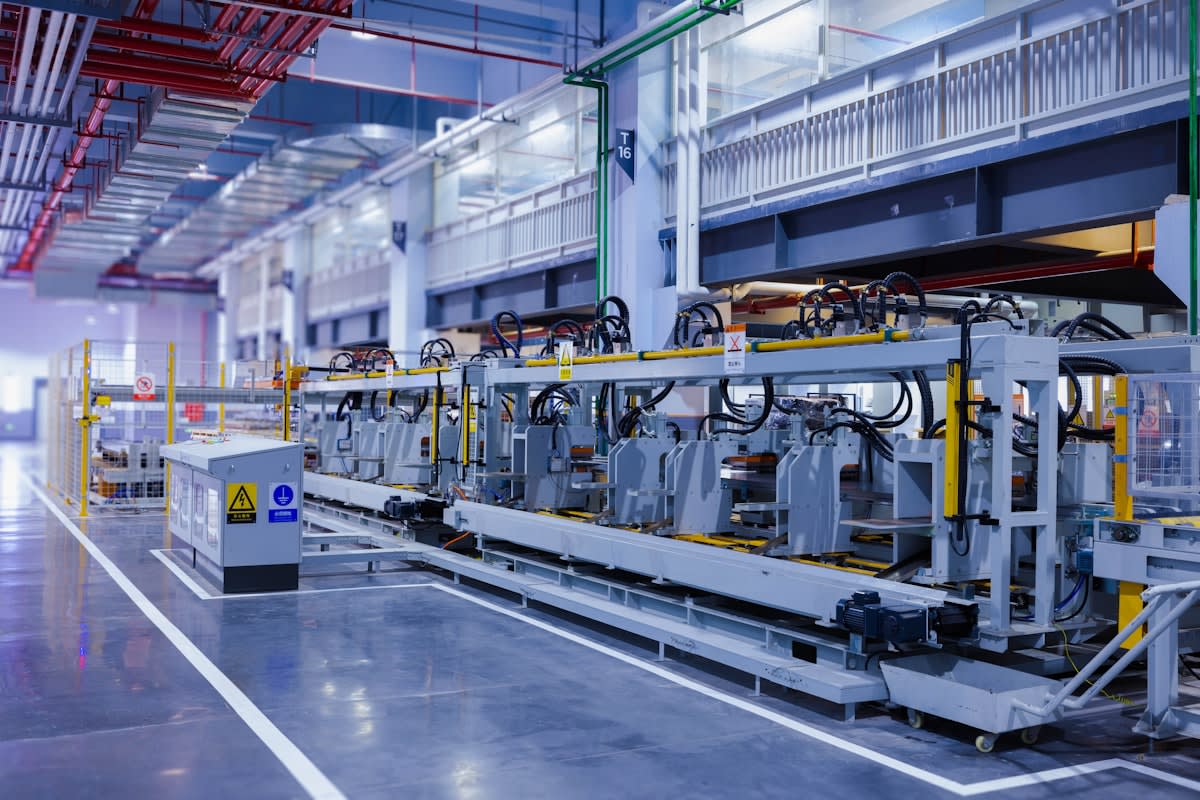
This transition represents a deeper psychological break from the 'cloud-first' mentality of the 2010s. For years, the narrative suggested that the physical world was a legacy burden—something to be optimized or disrupted by a lean app. Now, the disruptors are becoming the owners of the legacy. Why? Because the physical world provides the only true ceiling against systemic collapse. When supply chains fracture and geopolitical tensions rise, the person who owns the copper mine holds more leverage than the person who owns the platform that trades copper futures.
"The digital gold rush was a symptom of monetary excess. The return to the hard economy is a response to monetary reality."— Senior Strategic Analyst, Global Macro Fund
The Geography of Tangibility
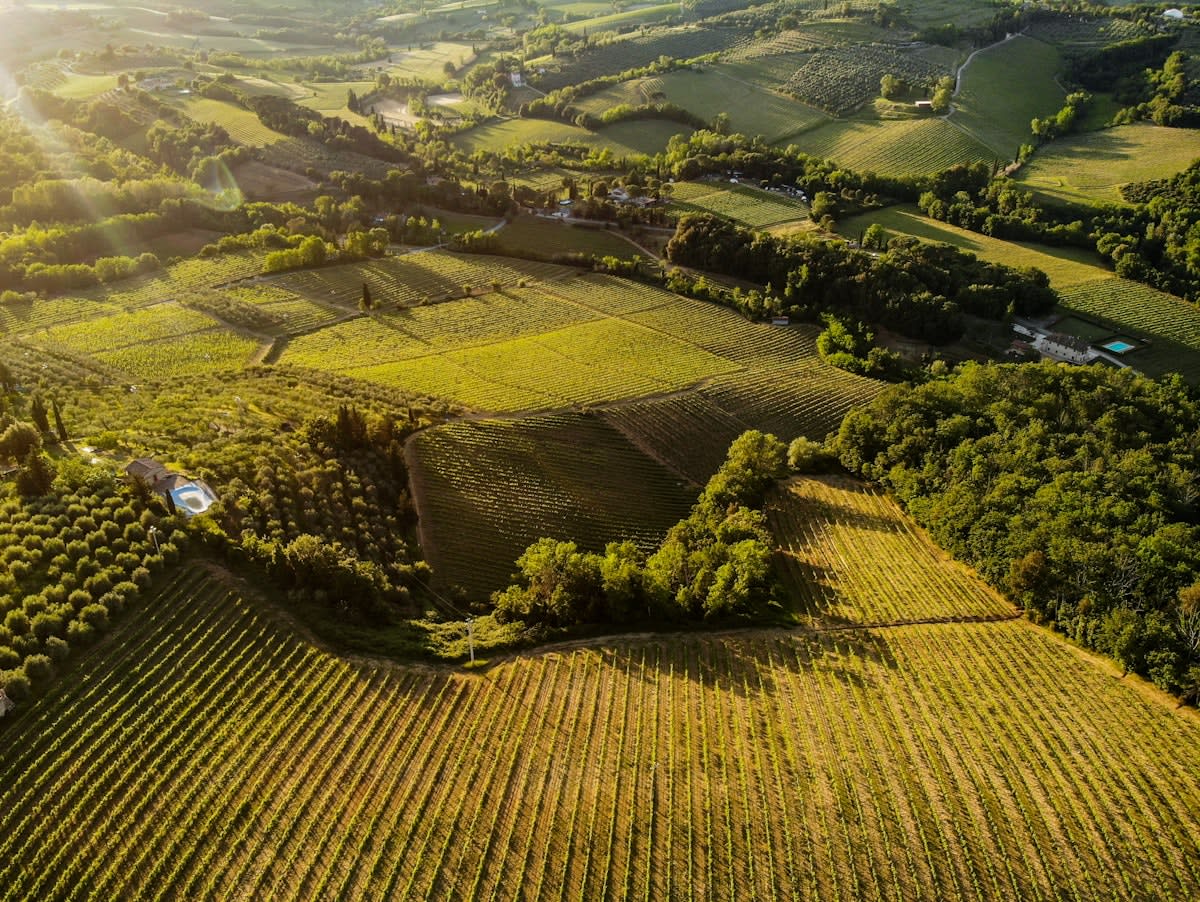
The map of global wealth is being redrawn. In Latin America, we see an aggressive accumulation of farmland and water rights. Investors are no longer looking for the next fintech unicorn in São Paulo; they are looking for the most fertile soil in the Mato Grosso. This is not mere diversification. It is a bet on the permanence of biological necessity. As climate volatility threatens food security, the ownership of the means of production—specifically caloric production—becomes the ultimate insurance policy.
Across Southeast Asia, the pivot is manifesting in logistics and hard infrastructure. The move toward 'friend-shoring' has turned dormant ports and industrial zones into goldmines. Capital is flowing into the physical conduits of trade—warehouses, shipping terminals, and rail lines. The realization is that in a fragmented world, the bottleneck is the physical movement of goods. Controlling the bottleneck is far more profitable than owning a piece of the digital layer that coordinates the movement.
Then there is the energy play. The transition to a green economy is, ironically, the most 'hard economy' event of the century. The rush for cobalt, nickel, and rare earth elements is not happening in a digital wallet; it is happening in the dirt of the Democratic Republic of Congo and the salt flats of Chile. The wealthiest investors have stopped betting on the software that manages the grid and started buying the minerals required to build the grid. They are moving up the value chain, from the application layer to the atomic layer.
Does this mean digital assets are dead? Hardly. But their role has been demoted. They have shifted from being the 'future of finance' to being just another high-risk volatility play in a diversified portfolio. The core of the portfolio, the 'bedrock,' is now decisively physical. This is a return to the classical understanding of wealth: owning the things that the world cannot function without.
The Utility Gap: Speculation vs. Survival
To understand this shift, one must analyze the 'Utility Gap.' Digital assets, by their nature, derive value from consensus and speculation. Their price is a reflection of what the next person is willing to pay. Hard assets, conversely, derive value from utility. A ton of copper has a use regardless of whether the market is bullish or bearish. This fundamental difference becomes critical during periods of high inflation. Digital assets often correlate with risk-on tech stocks, meaning they crash when the economy gets volatile. Hard assets tend to move with the cost of living.
| Feature | Digital Assets (SaaS/Crypto) | Hard Economy (Land/Energy/Mining) |
|---|---|---|
| Value Driver | Network Effect & Speculation | Intrinsic Utility & Scarcity |
| Inflation Response | Variable/High Volatility | Positive Correlation (Hedge) |
| Geopolitical Risk | Regulatory/Platform Risk | Sovereign/Physical Risk |
| Cash Flow Type | Growth-based (Future) | Yield-based (Current/Rent) |
| Systemic Role | Efficiency Layer | Foundation Layer |
Looking at the data, the trend is clear. The 'Foundation Layer' is regaining its dominance. When you own a forest or a mine, you aren't just betting on a price increase; you are owning a piece of the earth's finite capacity. In a world of infinite digital copies, the only thing that remains truly scarce is the physical. This is why we see a surge in 'Real Asset' funds, with allocations to timberland and infrastructure hitting decade highs among institutional investors.
Is this a conservative retreat? No. It is a sophisticated offensive. The investors leading this charge are not hiding in gold bars; they are aggressively acquiring the infrastructure of the next fifty years. They are buying the water rights for the next generation of semiconductor plants and the lithium deposits for the next generation of transport. They are playing a game of chess where the board is the planet itself.
Beyond the Hype Cycle
The danger for the average investor is the lag in perception. Most are still staring at screens, waiting for the next bull run in digital tokens. Meanwhile, the smart money has already moved into the 'boring' stuff. They are buying warehouses in the Midwest, sustainable fisheries in the North Atlantic, and copper mines in the Andes. This is the 'Quiet Migration'—a shift that doesn't make for exciting headlines but creates an insurmountable moat of wealth.
The Sovereign Pivot
Resource Nationalism is the new regulatory risk. As investors move into the hard economy, they must navigate the increasing tendency of nations to reclaim control over their strategic minerals and land.
We must ask: what happens when the physical world becomes the primary arena for financial competition? We see a shift toward vertical integration. The companies that once only designed products are now buying the mines that produce the raw materials. The investment funds that once only traded commodities are now operating the farms. The line between 'finance' and 'industry' is blurring.
This is not a crisis of faith in technology, but a maturation of the investment thesis. Technology is a multiplier, but the hard economy is the base. A multiplier of zero is still zero. By securing the base—the energy, the food, the minerals—the world's wealthiest are ensuring that no matter how the digital layer evolves or collapses, they remain the landlords of reality.
The era of the 'digital nomad' investor is giving way to the era of the 'physical sovereign.' The winners of the next decade will not be those who found the fastest algorithm, but those who secured the most essential acres. The hard economy is back, and it is more ruthless, more rewarding, and more essential than ever before.